
How To Make Smoke Alarm Stop Chirping
Okay, picture this: It’s 3 AM. You’re deep, deep in the land of nod, dreaming about... well, probably something ridiculously mundane like perfectly ripe avocados. Then, out of nowhere, it hits. A tiny, insistent, unbelievably irritating chirp. Then another. And another. You bolt upright, heart pounding, convinced it’s an alien invasion, only to slowly realize it’s that sound. The smoke alarm. Not a full-blown ear-splitting siren, oh no. That would be too straightforward. Instead, it’s the passive-aggressive, high-pitched peep that signifies impending doom for your sanity. You grope for your phone, squinting at the time, wondering if you can just wish it away. Spoiler alert: you can’t. Trust me, I’ve tried. Many, many times.
Sound familiar? I bet it does. That tiny chirp, often barely audible until the dead of night when the world is quietest, has probably driven more people to the brink of madness than badly formatted spreadsheets. But fear not, my friend! You’ve stumbled upon the secret scroll (or, you know, this blog post) that will equip you with the knowledge to silence that tiny dictator once and for all. Let's get that peace and quiet back, shall we?
Why Is This Thing Even Chirping?!
Before we dive into the rescue mission, let's understand our enemy. Why does a smoke alarm chirp instead of just screaming its head off? Mostly, it’s because it’s trying to tell you something important, but it’s too polite (or too battery-deprived) to yell. The overwhelming, almost universal reason for that infuriating little peep is a low battery. Yep, it’s basically its way of saying, "Hey, I'm dying over here! A little help?"
Must Read
Other reasons include the alarm reaching its end-of-life (they don't last forever, you know!), dust accumulation, or sometimes just a temporary glitch from a false alarm. But seriously, nine times out of ten, it’s the battery. Always check the battery first.
The Hunt: Locating the Culprit
First things first: you need to find which alarm is chirping. Because, let’s be honest, sound bounces. You might swear it’s the one in the hallway, only to realize it’s actually the one in the spare bedroom you haven't entered since last Christmas. Walk around your house. Cup your ear. Channel your inner sound detective. You'll often find it's the one you least suspect, just to add an extra layer of difficulty to your 3 AM quest.
The "Just Shut Up" Methods: Getting It to Stop
1. Battery Replacement (The Big One!)
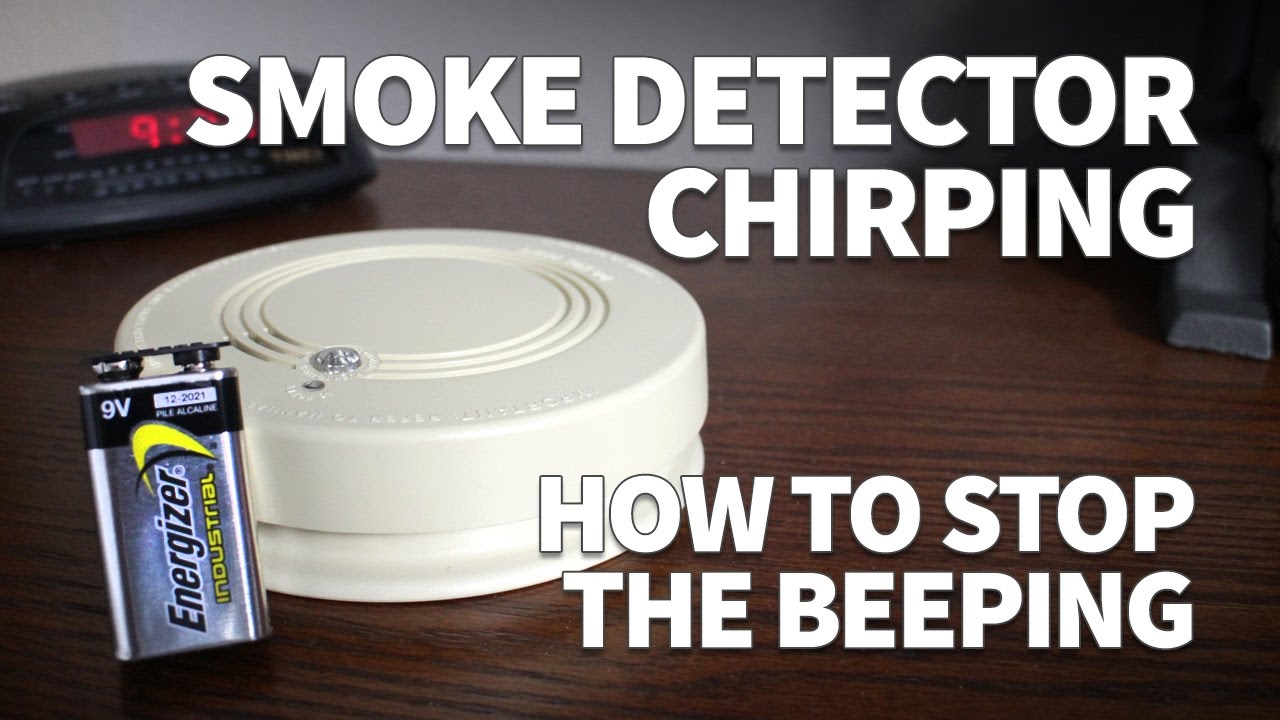
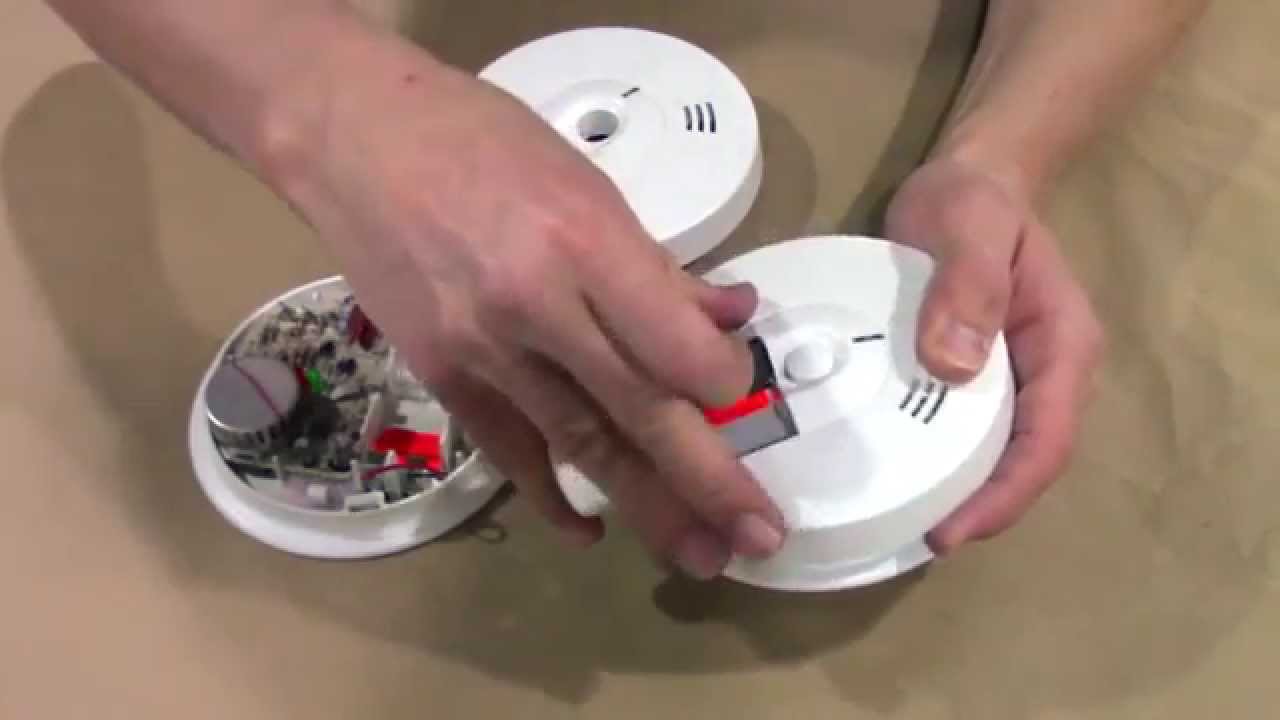
This is your primary suspect, your main target. Grab a sturdy ladder (please, for the love of all that is holy, don't stand on a wobbly chair), and carefully open the smoke alarm cover. Most have a small latch or twist mechanism. You'll usually see a 9-volt battery, though some newer models might use AA or AAA. Take out the old one (see ya, villain!), and pop in a fresh, brand-new battery. Pro tip: if you're replacing one, it's often a good idea to replace all of them in your home at the same time, or at least mark the date on the new battery so you know when it was installed. Don't forget to recycle those old batteries, you eco-conscious legend!
2. The Reset Button
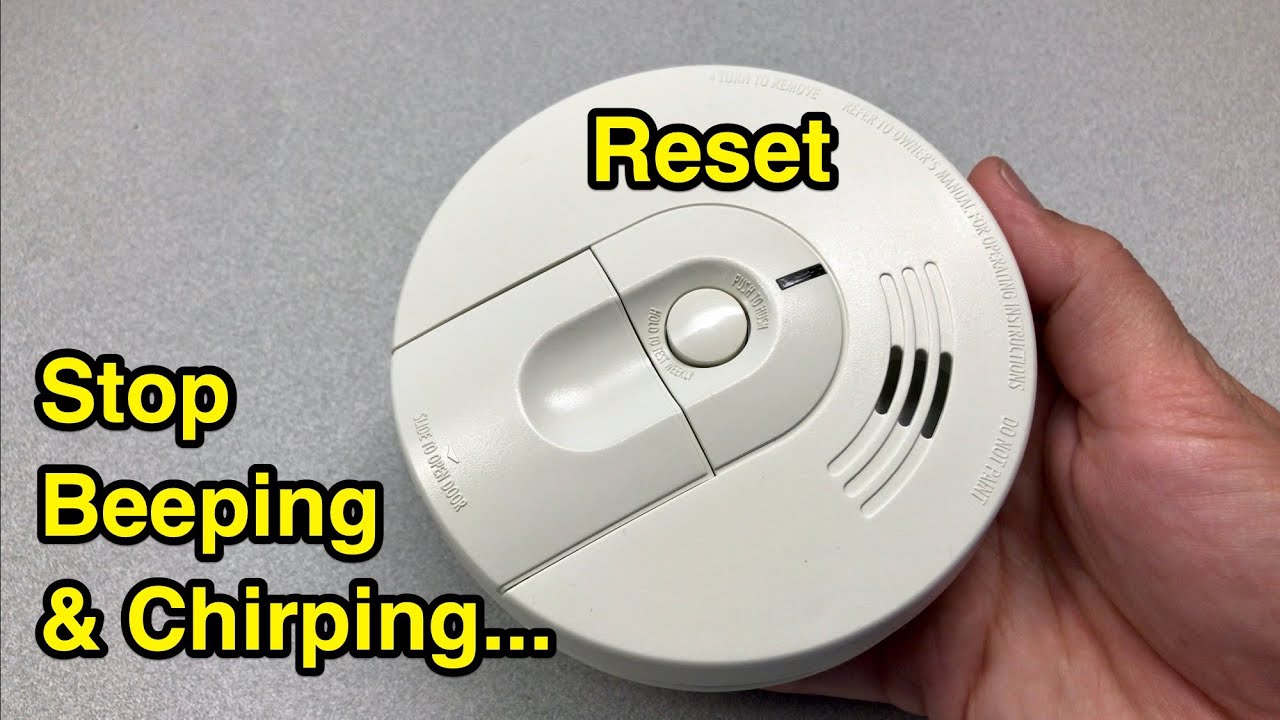
Sometimes, even after a fresh battery, the little devil might still give you a courtesy chirp or two. This is because some alarms need a little "brain reset" to clear any residual charge or error state. Look for a small button on the alarm – sometimes it’s labelled "Test," other times it’s a tiny recessed button you might need a pen tip to press. Press and hold it down for 15-20 seconds. You might hear a loud beep, which is a good sign! Release, and hopefully, silence will reign supreme.
3. Dusting (The Underdog)
Who knew smoke alarms were so sensitive? They are! Dust and cobwebs can accumulate inside the sensing chamber, tricking the alarm into thinking there’s smoke or causing it to malfunction with a chirp. Once you’ve got it open (or even without fully opening it), give it a gentle cleaning. A can of compressed air works wonders, or even the brush attachment on your vacuum cleaner. Think of it as giving your alarm a much-needed spa day.
4. End-of-Life Replacement
Here’s a fun fact: smoke alarms aren't meant to last forever. Most manufacturers recommend replacing them every 7 to 10 years. After a decade, the sensors can become less effective, making the whole unit unreliable. If your alarm is chirping and it’s older than your first smartphone (or maybe even your first pet), it might be time for a full replacement. Look for a manufacturing date on the back of the unit. If it's past its prime, it's time to upgrade for your safety.
5. Dealing with False Alarms (Briefly)
Sometimes a chirp isn't a low battery warning, but a temporary alert. Burnt toast? Steamy shower? These can set off your alarm. Usually, these will silence themselves once the air clears, but if it keeps chirping, ventilate the area thoroughly. Most modern alarms also have a silence button you can press to temporarily mute it for a few minutes while you deal with the toast situation. Just don't forget it's still armed and ready!
A Quick Safety Check-in
You’ve conquered the chirp, you’re a hero! But remember, smoke alarms are there to literally save your life. Never, ever permanently disable them. Test them once a month by pressing the test button to ensure they're working correctly, and swap out those batteries at least once a year (I do it when the clocks change, as a handy reminder). They might be annoying sometimes, but they're essential.
And there you have it! You’ve gone from being tormented by a tiny chirp to becoming a smoke alarm whisperer. Go forth and enjoy the glorious sound of silence. You’ve earned it.
