
How To Make A Lithium Ion Battery

Let's face it, batteries power our lives! From our smartphones to electric vehicles, we're constantly relying on lithium-ion batteries. Ever wondered what goes into making one? While building a commercial-grade lithium-ion battery requires specialized equipment and expertise, understanding the basic principles is surprisingly fun and insightful. Plus, knowing the fundamentals can empower you to better understand and care for your devices!
Why bother understanding battery construction? Well, for beginners, it demystifies the technology we use every day. It's like understanding how an engine works – you don't need to build one, but it gives you a newfound appreciation for your car. For families, it can be a fascinating science project to explore (in a safe and educational manner, of course! Focus on the theory, not the actual construction with hazardous materials). And for hobbyists, it's a gateway into understanding electronics and potentially even experimenting with battery recycling and repurposing in the future.
So, how does a lithium-ion battery work, in principle? Imagine a sandwich. You've got two slices of bread (the electrodes: a positive cathode and a negative anode), and some delicious filling in between (the electrolyte, a chemical substance that allows lithium ions to flow). During discharge (when you're using the battery), lithium ions move from the anode, through the electrolyte, to the cathode. During charging, this process is reversed. A separator, like a thin piece of plastic, prevents the electrodes from touching and short-circuiting the battery.
Must Read
Think of variations like this: different types of "bread" (electrode materials like lithium iron phosphate or lithium cobalt oxide) result in batteries with varying energy densities, lifespan, and safety characteristics. Different "fillings" (electrolytes) also impact performance and safety. In reality, it's far more complex than a sandwich, involving intricate chemical processes and precise manufacturing, but the analogy helps grasp the core concept.
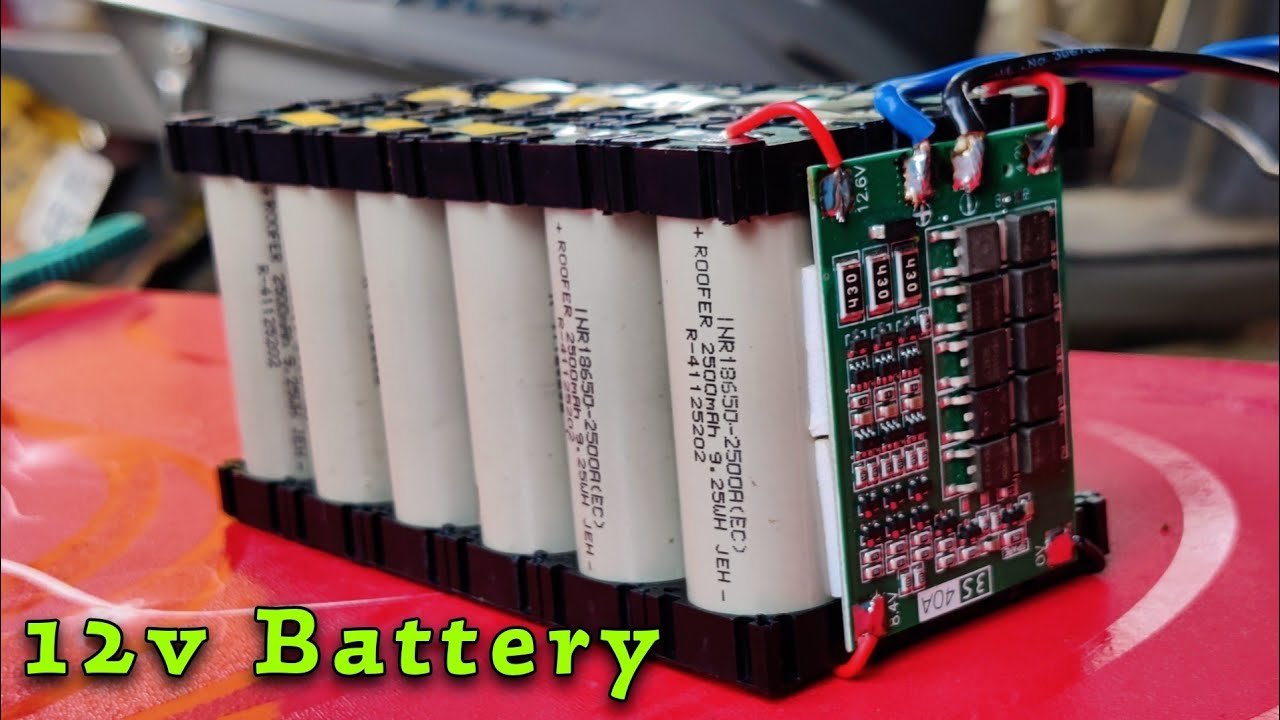
Okay, so you're not going to build a functional battery in your kitchen (and please, don't try!). But you can learn a lot through safe, theoretical exploration. Here are some tips to get started:
- Research: Start by reading articles and watching videos about lithium-ion battery technology. Khan Academy and reputable science websites are great resources.
- Explore Simulations: Look for online simulations that illustrate how batteries work. These can help you visualize the movement of ions and the electrochemical reactions.
- Focus on Safety: Always emphasize the importance of safety when learning about batteries. Handling battery components requires specialized knowledge and equipment.
- Learn about Battery Chemistry: Dive into the specific chemical reactions that occur within a lithium-ion battery. Understanding the materials used and their properties is key.
While you won't be manufacturing your own batteries anytime soon (unless you become a materials scientist!), simply understanding the basic principles behind them is incredibly rewarding. It not only enhances your understanding of the devices you use daily but also sparks curiosity about the fascinating world of energy storage and electrochemical engineering. So, dive in, explore, and enjoy the journey of learning!


