
How To Make A Homemade Heater
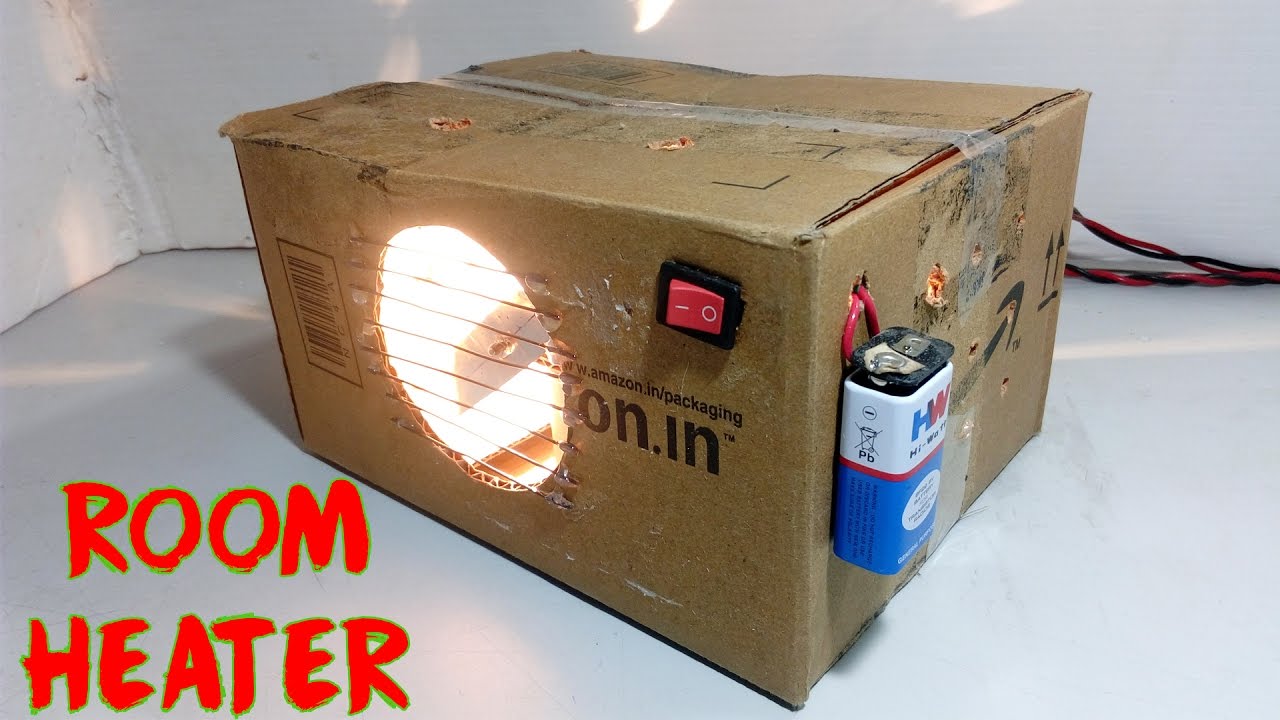
You know that feeling, right? It’s the dead of winter, the wind is howling like a banshee with a sore throat, and your heating bill just landed like a lead balloon in your inbox. Or maybe, just maybe, the power went out after a freak storm (my personal nightmare fuel, honestly) and you’re wrapped in every blanket you own, contemplating the true meaning of "arctic chill." That was me last December. My ancient furnace decided to stage a dramatic rebellion, conking out right when the mercury dropped to single digits. I was shivering, debating whether to start a small bonfire in the living room (don't worry, I didn't), and then it hit me: surely there's a better way to stay warm without breaking the bank or committing arson?
My fingers, numb despite a mug of lukewarm tea, started pecking away at my phone. "Homemade heater," I typed. And oh boy, did the internet deliver. From ingenious contraptions involving candles and flowerpots to elaborate setups that looked like they belonged in a mad scientist’s lab, the world of DIY warmth is a fascinating rabbit hole. And honestly, it got me thinking. Could you actually make something that offers a little solace from the cold, safely and effectively?
So, What Exactly Are We Talking About Here?
When people talk about homemade heaters, they're usually looking for something that provides a bit of supplemental warmth, either to cut down on electricity bills or as an emergency backup. We're not talking about replacing your entire HVAC system with a few tin cans and some elbow grease, mind you. That's a job for the pros (and your wallet). We're talking about those clever little hacks that harness simple principles of heat transfer to take the edge off a chilly room. Think of it as a cozy little spot heater, not a whole-house solution.
Must Read
The core idea often revolves around radiant heat – warming up an object that then radiates heat into the room. It’s like how a campfire feels warm even when the air around it is chilly; the heat waves are hitting you directly. And the poster child for this kind of DIY solution, the one that pops up everywhere, is often the humble terracotta pot heater.
The Humble (Yet Surprisingly Effective?) Terracotta Pot Heater
This little gem is often hailed as a marvel of low-tech ingenuity. The basic concept is simple: you have a heat source (usually a few tea light candles) nestled inside an inverted terracotta pot, or sometimes a series of pots stacked one inside the other. The pots heat up, and because terracotta is good at retaining and radiating heat, they become a sort of mini-radiator. It’s surprisingly elegant in its simplicity, isn't it?

Generally, you’d need:
- A few small terracotta pots (often different sizes to nest them).
- Some tea light candles (the longer burning, the better).
- A metal bolt, washers, and a nut to secure stacked pots (if you're going for that design, which helps create a convection current).
- A sturdy, non-flammable surface to place it on. This is absolutely non-negotiable, folks!
The idea is that the inner pot heats up, then transfers that heat to the outer pot, which then radiates it into the room. Some designs incorporate a bolt that runs through the drainage holes, creating an air gap between pots and theoretically enhancing heat distribution. It’s a neat little physics experiment in your living room, if nothing else.
Seriously, folks, SAFETY FIRST!
Now, before you go rummaging through your garden shed for forgotten pots and digging out those dusty old tea lights, we need to have a serious chat. While these devices can offer a small amount of heat, they come with significant risks that you absolutely must consider. I cannot stress this enough. This isn't just a friendly suggestion; it's a vital warning:
- Fire Hazard: You are dealing with open flames. A dry leaf, a stray curtain, an accidental bump – any of these could turn your cozy warmth into a nightmare. Always keep it away from anything flammable.
- Carbon Monoxide Risk: Burning candles produce carbon monoxide. If you're using this in an unventilated space, you could be putting yourself at risk of carbon monoxide poisoning, which is invisible, odorless, and deadly. Ensure proper ventilation!
- Stability: Terracotta pots can be brittle. Ensure your setup is completely stable and cannot be easily knocked over by a pet, a child, or a clumsy adult (guilty as charged, sometimes).
- Never Leave Unattended: I repeat, never leave open flames unattended. Just don't do it. If you leave the room, blow out the candles. If you go to sleep, blow out the candles.
- Use on a Non-Flammable Surface: A tile, a metal tray, a ceramic plate – something that won't catch fire or scorch your precious furniture.
Look, I'm all for clever DIY, but your safety is paramount. If you choose to explore this, do your research, take every precaution, and maybe have a fire extinguisher nearby just in case (seriously).
Beyond the Flame: Other DIY Warmth Hacks
Of course, "homemade heater" doesn't just mean fire-based solutions. There are other ingenious (and often safer) ways people boost their home's warmth:
- Draft Stoppers: No, not just those cute snake-like fabric things, though those are great! Think about sealing up gaps around windows and doors with weather stripping or caulk. It's amazing how much heat escapes through tiny cracks.
- Window Insulation Kits: Those plastic films you shrink-wrap onto your windows? They create an insulating air pocket that can make a surprisingly big difference.
- Strategic Furniture Placement: Move your sofa away from exterior walls and windows, especially if they're drafty. And don't block your radiators or vents!
- Body Heat & Warm Beverages: Okay, maybe not a "heater," but a good old-fashioned hot water bottle, a cozy blanket, and a steaming mug of cocoa can work wonders. Sometimes the simplest solutions are the best.
So, while the idea of a homemade heater is wonderfully curious and can definitely spark some interesting conversations about physics and resourcefulness, remember that safety should always be your absolute number one priority. Stay warm, my friends, and stay safe!
