
How To Load A Film Camera

Alright, picture this: You've got this beautiful, vintage film camera. Maybe it's your grandpa's old Pentax, or a quirky Diana you snagged at a flea market. It's begging to be used, to capture memories with that distinct film look. But... how do you actually, you know, load it? Don't sweat it! It's way easier than you think, and honestly, kinda magical.
Loading film might seem intimidating in our digital age. We're so used to popping in an SD card and clicking away. But think of loading film as a ritual, a connection to a different era of photography. It's a deliberate process, a moment of anticipation before the shutter clicks its first time. Think of it like brewing the perfect cup of coffee versus hitting the "start" button on a pod machine. Same result, different experience, right?
So, let's dive in! No need for a darkroom or special superpowers. Just follow these simple steps, and you'll be shooting in no time.
Must Read
Step 1: Open 'Er Up!
First things first, you need to access the film compartment. Now, every camera is a little different, so check your camera's manual if you have one. No manual? No problem! Most 35mm cameras have a rewind knob (usually on the left side as you're holding the camera) that you pull up. Pulling this up often releases the back of the camera, allowing you to swing it open. Think of it like opening the hatch of a spaceship, ready to receive its precious cargo (the film!).
Some cameras might have a latch or button. Look around, experiment gently, and you'll figure it out. Never force anything! You don’t want to break your new best friend.
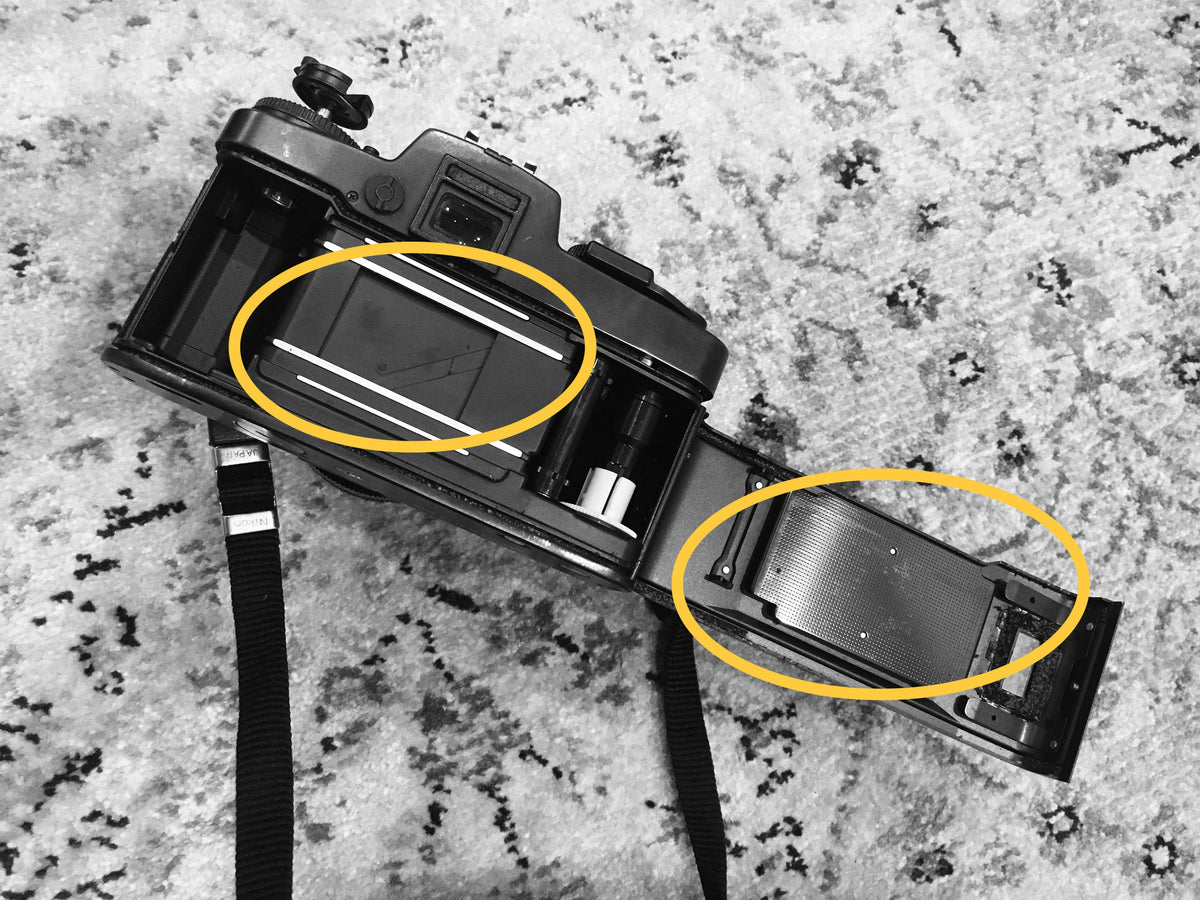
Step 2: Insert the Film Canister
Now, grab your roll of film. You'll see it’s in a metal or plastic canister. Inside that canister is your precious unexposed film! Place the canister into the film chamber, which is usually on the left side (again, as you’re holding the camera). Make sure it sits snugly. There's usually a little indentation or slot where the canister fits. Kinda like sliding a key into a lock, but way less stressful.
Step 3: Thread the Leader
This is the part that sometimes trips people up, but trust me, it's not rocket science. You need to pull the film leader (that little tail sticking out of the canister) across the camera body and attach it to the take-up spool on the right side.
The take-up spool is the part that winds the film as you take pictures. Look for a slot or a clip on the spool. Gently insert the leader into this slot. Some cameras have a slightly different mechanism, so poke around and see what works. The goal is to get the film leader secured to the spool so that when you advance the film, it actually catches and winds.
Pro Tip: Don't pull out too much of the leader! You only need enough to reach the take-up spool. The more you pull out, the more exposed film you’re wasting before you even start shooting.
Step 4: Advance the Film & Check Sprockets
Now, close the camera back gently. Next, use the film advance lever (usually on the top right) to wind the film forward a couple of times. As you advance the film, keep an eye on the sprockets (those little teeth on the edge of the film) to make sure they're properly engaged with the sprocket wheel inside the camera. You want the film to feed smoothly. If it's not engaging, carefully open the camera back again and adjust the film slightly.
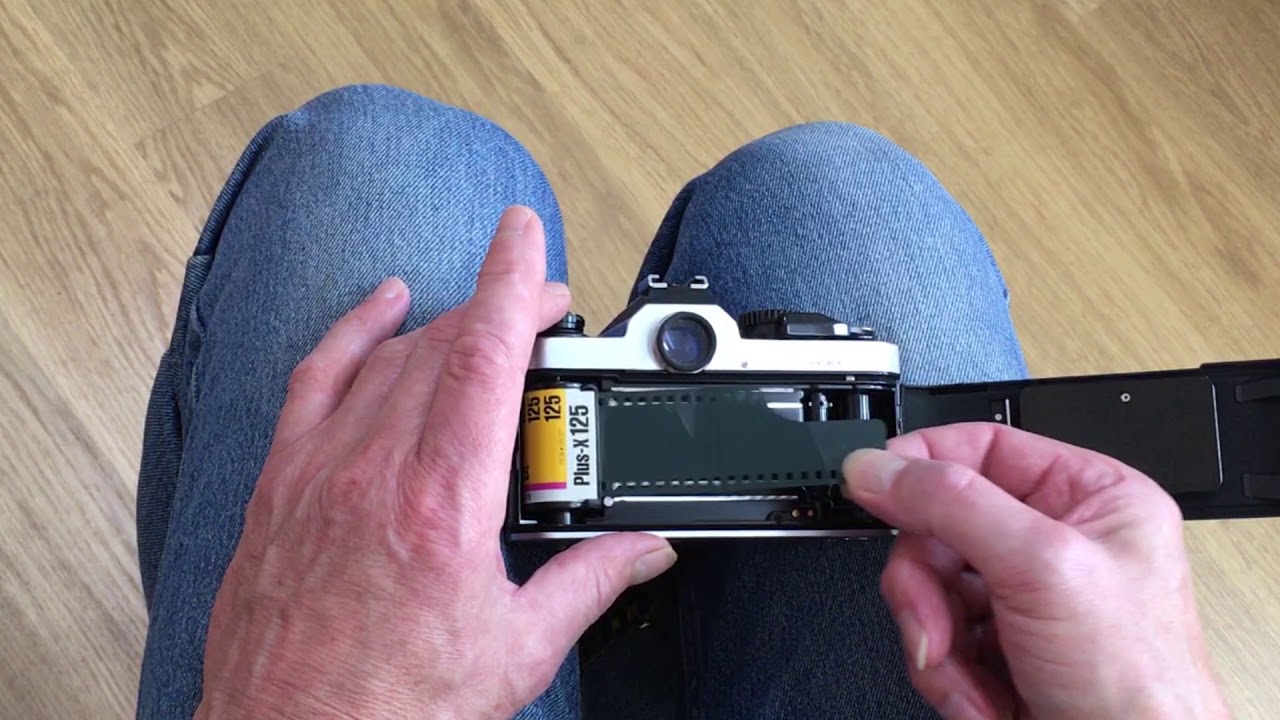
Why is this important? Because if the sprockets aren't engaged, the film won't advance properly, and you'll end up with overlapping exposures or blank frames. Yikes!
Step 5: Set the Film Speed (ISO)
Most film cameras have a dial or setting to adjust the ISO, which is the film's sensitivity to light. Set the ISO on your camera to match the ISO of the film you're using. This is usually printed on the film canister itself (e.g., ISO 400, ISO 200, etc.). Getting this right is crucial for proper exposure. Think of it like telling your camera what kind of light it's dealing with.
Some older cameras don't have an ISO setting, or it's a bit more complicated to adjust. In that case, do a little research on your specific camera model.

Step 6: You're Ready to Shoot!
That's it! You've successfully loaded your film camera! Now, advance the film a couple more times until the frame counter shows "1". This ensures that you're past any film that might have been accidentally exposed to light during the loading process.
Now go out there and capture some amazing memories. There's something incredibly rewarding about shooting film. The colors are richer, the grain is beautiful, and the whole process just feels… well, authentic. Each shot is a moment you thought through, not just one of many taken. It's the difference between texting a friend and writing them a handwritten letter. Both communicate, but one carries a certain weight and intention, doesn’t it?
So embrace the quirks, the imperfections, and the magic of film. Happy shooting!