
How To Know When Septic Needs To Be Pumped
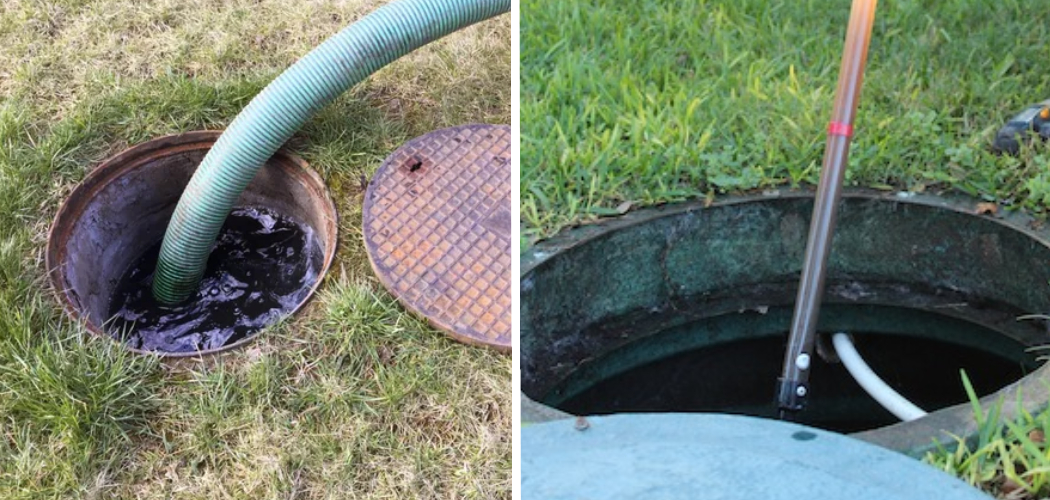
Alright, let's talk about something that might not sound like a party topic, but trust us, knowing about your septic system is like having a superpower for your home! While your septic tank might be the unsung, underground hero of your household, keeping it in tip-top shape is crucial. And honestly, isn't preventing a stinky, expensive disaster more fun than dealing with one?
The purpose of a septic system is pretty vital: it's your personal, on-site wastewater treatment plant. It quietly separates solids from liquids, allowing the treated water to safely return to the environment. But here's the kicker: those solids don't magically disappear! That's where pumping comes in. Regular pumping removes the accumulated sludge and scum, preventing it from overflowing into your drain field or, even worse, backing up into your beautiful home. The benefits? We're talking about avoiding thousands of dollars in repairs, extending the life of your entire system, protecting your property value, and most importantly, maintaining your sanity and the fresh scent of your home. Think of it as a preventative health check for your home's most hard-working, hidden organ.
So, how do you know when it’s time for this essential service? While a general rule of thumb suggests pumping every 3-5 years (depending on household size and usage), your septic system is pretty good at giving you subtle (and not-so-subtle) hints. Here are the tell-tale signs to watch out for:
Must Read
The Unwelcome Aromas: Your nose is your first line of defense! If you start noticing foul odors wafting around your yard, especially near the septic tank or drain field, that's a big red flag. These smells can also creep into your home, signalling an overworked or overflowing system.
The Slow-Motion Drainage: Are your toilets flushing sluggishly? Do your sinks and bathtubs take an eternity to drain? This isn't just annoying; it could be a sign that your septic tank is full and preventing wastewater from flowing freely. Don't ignore those gurgles!
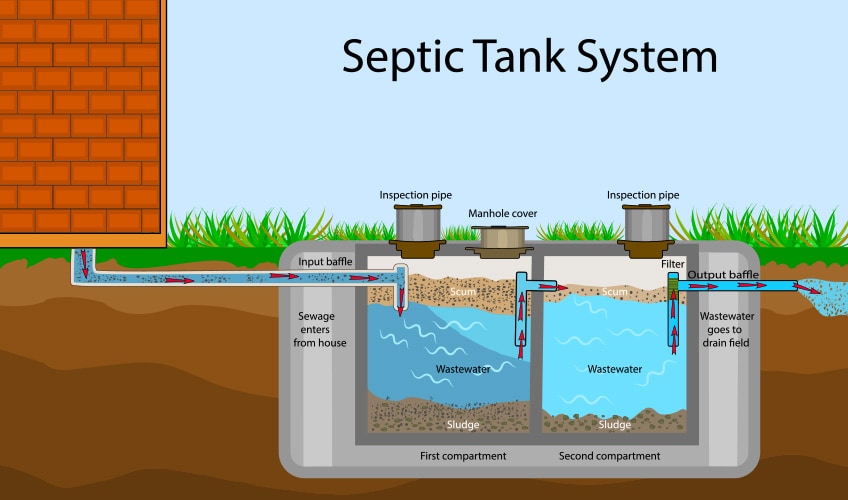
Ultimate Homeowner's Guide to Septic Tank Systems - How Often to Pump a The Lush Green Mystery: While a green lawn is usually a good thing, an unusually green, spongy, or lush patch of grass directly over your septic tank or drain field, especially when the rest of your yard is dry, can be a warning. This might indicate effluent surfacing or a saturated drain field, fertilized by nutrient-rich wastewater.
The Puddle Problem: Seeing standing water, wet spots, or even bubbling liquid near your septic tank or in your drain field area, particularly when there hasn't been any recent rain, is a definite cause for concern. This usually means the system is overloaded and wastewater is escaping.

How Do You Know When Your Septic Tank Needs Pumping? Key Signs and The dreaded Sewage Backup: This is the ultimate, undeniable, and most unpleasant sign. If sewage starts backing up into your sinks, tubs, or toilets, you've gone past the warning signs and into emergency territory. At this point, it's not just "time to pump," it's "call a professional IMMEDIATELY!"
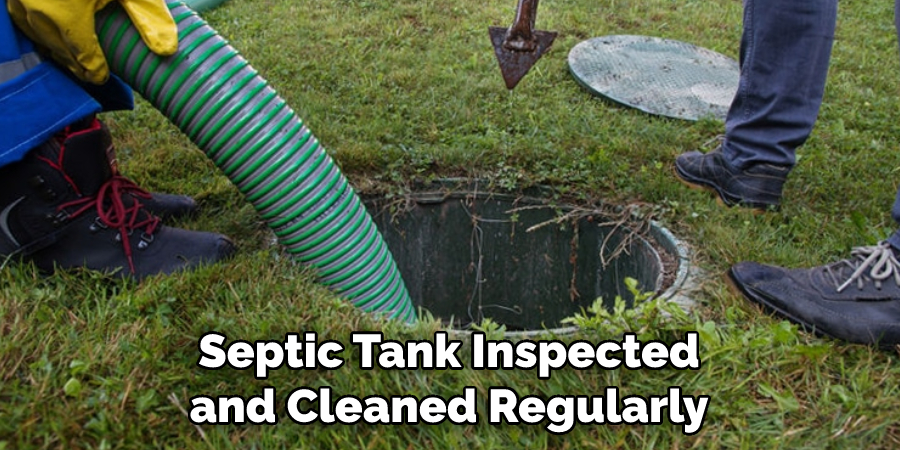
Don't wait for a disaster to strike! Being proactive about your septic system maintenance saves you stress, money, and embarrassment. If you notice any of these signs, or if it's just been a few years since your last service, it’s always best to call a qualified septic professional. They can inspect your system, accurately gauge its condition, and provide the necessary pumping, keeping your home's silent hero working flawlessly.
![7 Signs You Need Septic Pumping Right Away [infographic] | Averett](https://averettseptic.com/wp-content/uploads/2018/08/Averett-infographic_2.jpg)