
How To Know If There's Carbon Monoxide In Your House

Hey there! Grab another sip of your coffee, because we need to chat about something super important, but don't worry, we're keeping it light and breezy. We're talking about carbon monoxide, or CO. Yeah, I know, sounds a bit heavy, right? But trust me, it's the kind of heads-up your best friend would give you.
You’ve probably heard it called the “silent killer,” and honestly, that nickname is spot on. It’s a gas you can’t see, can’t smell, and can’t taste. Sneaky little thing, isn't it? It can literally be chilling in your house, and you’d have zero clue. Yikes!
So, how in the world are you supposed to know if this invisible guest has crashed on your couch (metaphorically speaking, of course)? Well, that’s exactly what we’re diving into today. Consider me your CO detection guru for the next few minutes.
Must Read
First Clue: How You Might Feel (The Sneaky Symptoms)
Okay, so since you can't see or smell it, the first alarm bell might actually be you. CO poisoning symptoms are, frankly, total tricksters. They often mimic the flu, which is super unhelpful, right?
You might start with a headache. Just a regular old headache, maybe? Or feeling a bit dizzy, kinda woozy like you’ve been on a merry-go-round for too long. Not fun.
Then comes the nausea. Maybe you feel a bit sick to your stomach, or even throw up. Your muscles might feel weak, like you just ran a marathon you didn't train for. And tiredness? Oh, the deep, overwhelming tiredness.
Here’s the big giveaway, though: if you start feeling cruddy at home, but magically perk up when you leave for work or head out for a walk, and then those symptoms creep back in when you return? Ding, ding, ding! That’s a huge red flag that something’s off with your indoor air.
Think about it. You’re not getting better because of fresh air; you’re getting better because you’re away from the CO. And returning to the same environment brings the symptoms back. Pretty wild, huh?
Where Does This Pesky Gas Even Come From?
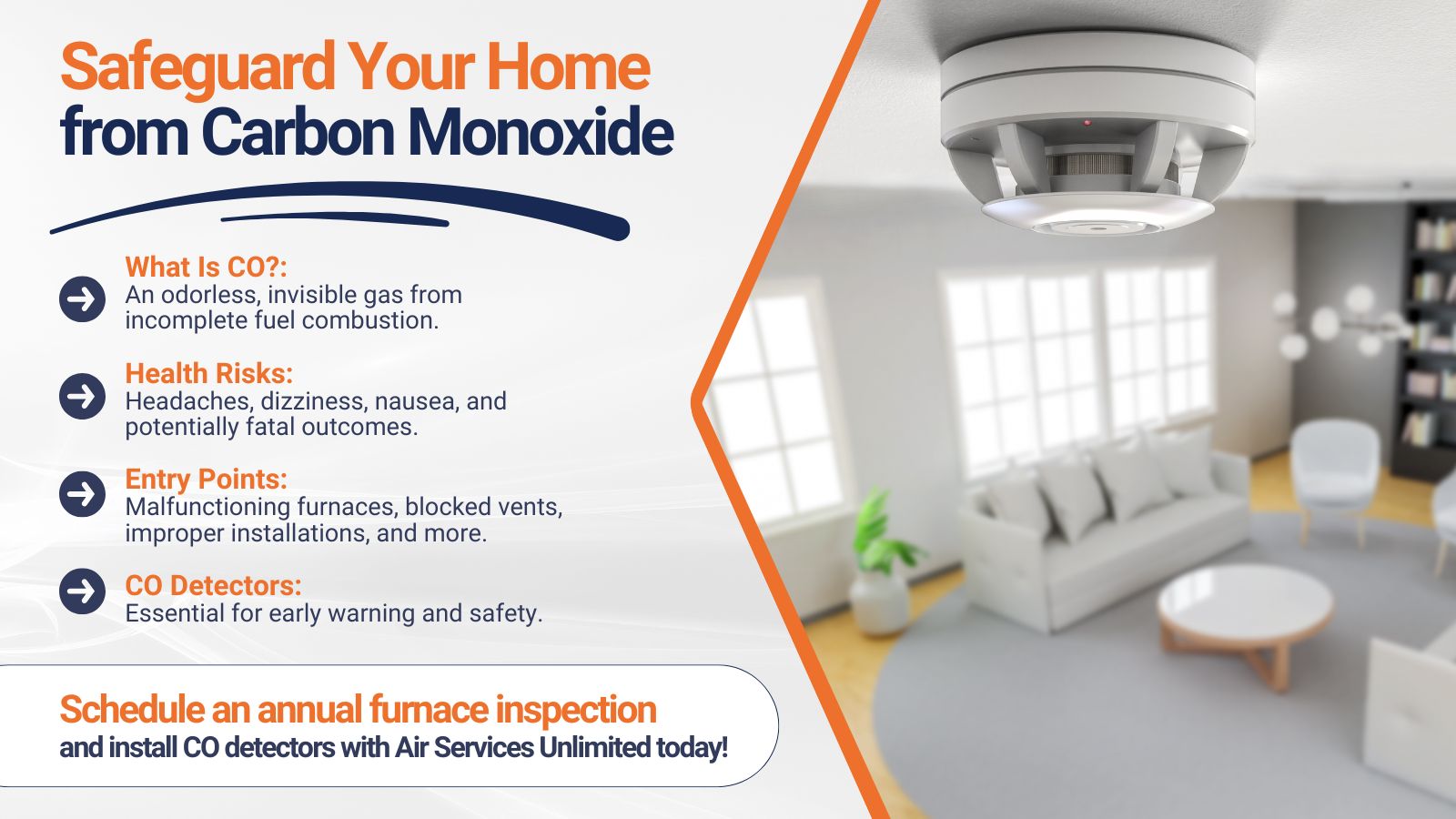
Good question! CO is produced when fuels burn incompletely. We’re talking about things like your furnace, gas water heater, clothes dryer, or even that cozy fireplace. Your gas stove, barbecue grill (never, ever use that indoors, by the way!), and car exhaust are also culprits.

Basically, anything that burns fuel has the potential to produce CO. Usually, these appliances vent properly, and it's all good. But if something's blocked or broken, that's when CO can build up. And that's exactly what we want to avoid!
The Undisputed Hero: The Carbon Monoxide Detector
Alright, so we've covered the tricky symptoms. But guess what? You don't have to rely solely on feeling like crud to know if CO is present. There's a much, much better way. Enter the carbon monoxide detector!
This little gadget is your absolute best friend when it comes to CO. Think of it like a smoke detector, but specifically designed to sniff out CO. It makes a super loud, annoying noise when it detects the gas, giving you that all-important early warning.
Seriously, if you don't have one (or several!), this is your sign. Go get one. Or two. Or three! They're not expensive, and they are literally life-saving.

Where to Put Them?
The pros recommend having at least one on every level of your home. Especially near sleeping areas. Why? Because you want to be woken up if CO levels start to rise while you're snoozing away. You can't smell it, remember? So, your nose won't save you there.
Some even plug directly into an outlet, while others are battery-powered or hardwired. Just like smoke detectors, they have a test button. Use it regularly! And replace the batteries annually, or as the manufacturer suggests. They don't last forever, so keep an eye on their expiration date too!
What If It Goes Off (Or You Really Suspect It)?
Okay, deep breath. If your CO detector starts blaring, or if you and everyone in your house are suddenly feeling those weird, flu-like symptoms, here’s what you do:
GET OUT. IMMEDIATELY.
Seriously. Don't grab your phone, don't grab your purse, just get everyone (and pets!) out of the house into fresh air. Then, once you're safely outside, call 911 or your local emergency number. They'll send someone to check things out and make sure it's safe to go back inside.
Don’t try to find the source yourself. Don't go back in until emergency services or a qualified technician has given the all-clear. This is one of those situations where it's always better to be safe than sorry, right?
So, there you have it! A quick, friendly guide to understanding the silent threat of carbon monoxide and, more importantly, how to keep your home and loved ones safe. Get those detectors, test them regularly, and know the signs. It’s peace of mind, really. And who doesn't love a little extra peace of mind?