
How To Know If There Is Carbon Monoxide

Imagine a master of disguise, a secret agent who doesn't leave a single trace. No tell-tale scent, no sneaky hue that gives it away. This shadowy character is Carbon Monoxide, often called CO for short.
It's like an invisible, odorless guest that can sneak into your home without an invitation. And here's the surprising twist: it's not trying to be mean, it's just a byproduct of everyday things like furnaces, gas stoves, or even your car.
The trickiest part about CO is its incredible stealth. You can't see it wafting through the air like smoke. You can't sniff it out like burnt toast. It's utterly undetectable by our human senses, making it quite the invisible ninja of the air.
Must Read
So, how do you even begin to know if this silent visitor has made itself at home? Well, it's a bit like solving a gentle mystery, looking for subtle clues rather than big, scary signals.
Your Body's Clever Whispers
Sometimes, your amazing body tries to tell you something, even if you don't realize what it is. Think of it as your internal alarm system, trying to whisper a warning.
Have you ever had one of those days where you feel inexplicably tired? Not just "I need more coffee" tired, but a deep, bone-weary exhaustion that seems to come out of nowhere?
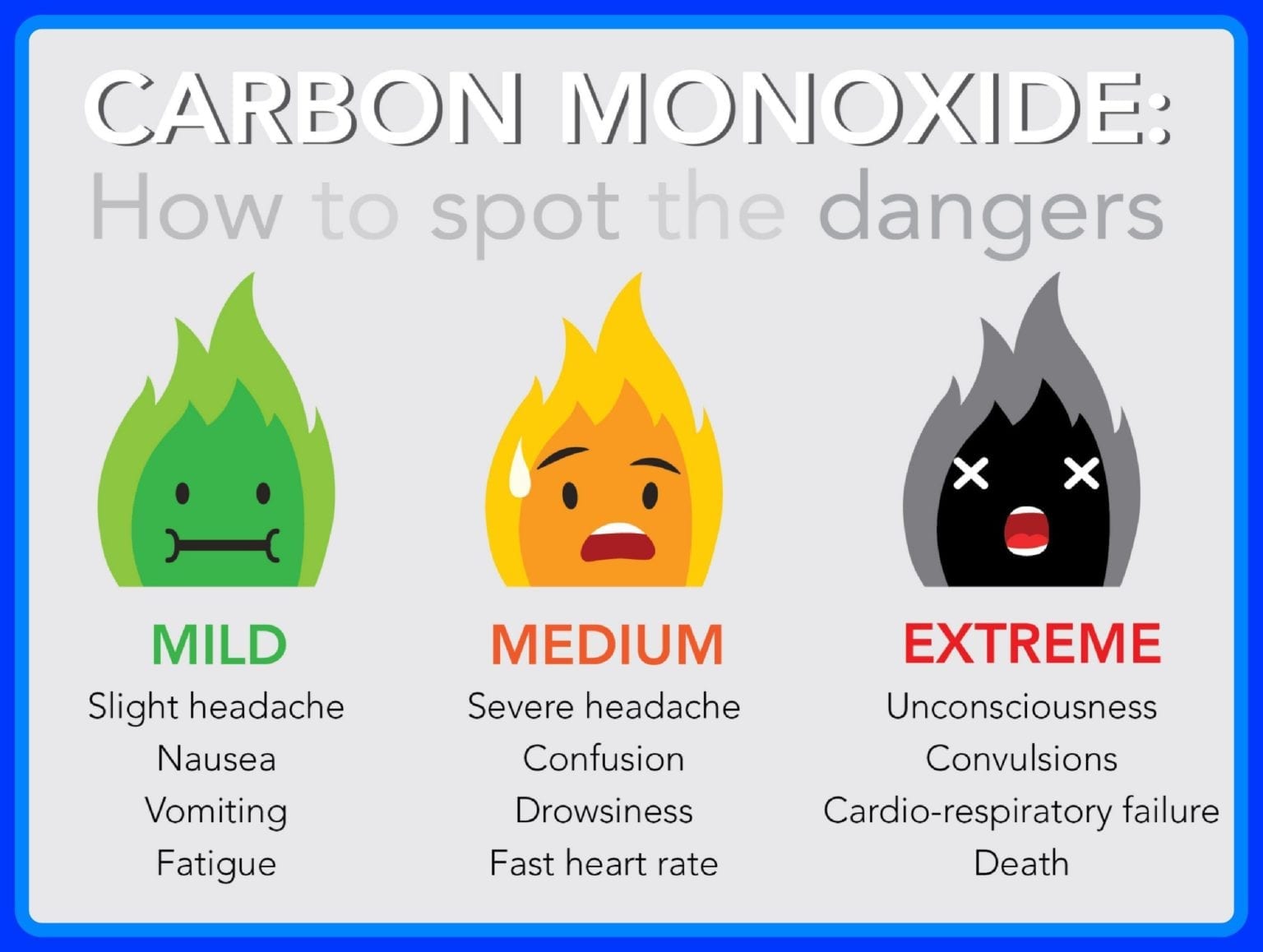
Or perhaps a headache that just won't quit, even after your usual remedies? It's easy to chalk these up to a long day, too much screen time, or simply "one of those days."
These feelings can be your body's subtle way of saying, "Hey, something's a little off here!"
Other gentle whispers might include feeling a bit dizzy or nauseous, almost like a touch of seasickness on dry land. You might even feel a little disoriented, as if you've suddenly forgotten what day it is.
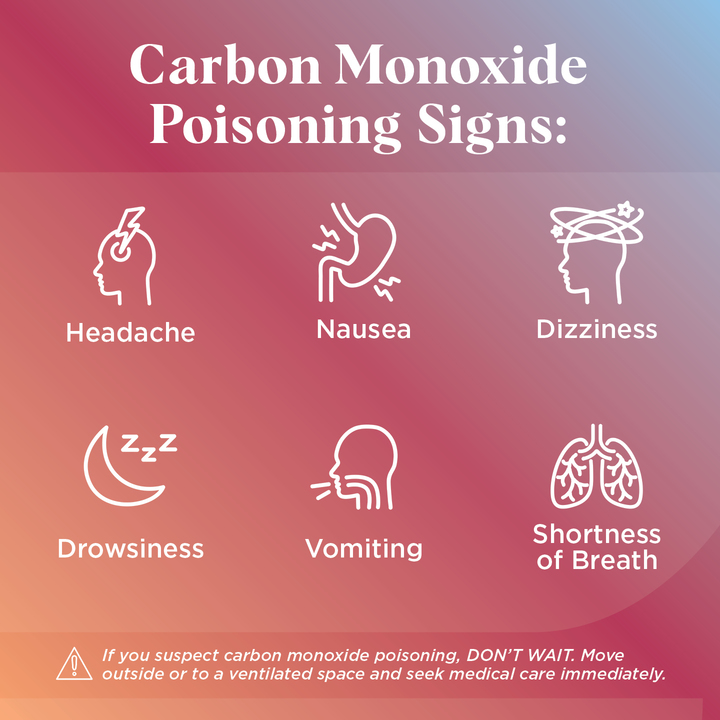
It's fascinating how our bodies give these small hints. They're not shouting, but rather tapping us gently on the shoulder, hoping we'll pay attention.
The key here is that these symptoms are often vague and mimic common ailments. This is why Carbon Monoxide poisoning is so often mistaken for the flu or simply being run down.
But here's a crucial clue: if several people in the same house start feeling these things at the same time, especially if they feel better when they leave the building, that's a pretty big wink from your body that something more might be going on.
The Furry Forecasters
If your body is whispering, your pets might be practically shouting! This is where the story gets really heartwarming and a little surprising.
Our beloved animal companions often have more sensitive systems than we do. They can pick up on changes in their environment long before we humans even register a flicker.
Imagine your playful pup suddenly becoming lethargic, struggling to stand up straight, or just looking utterly confused. Or your usually agile cat looking wobbly and disoriented.
These are not just signs of a "bad day" for them. If your pet starts acting unusually ill, especially with symptoms like vomiting, weakness, or stumbling, it might be an important clue.
Your furry best friend could very well be your earliest, and most adorable, warning system for Carbon Monoxide.
They truly are silent heroes, often sacrificing their own comfort to give us a heads-up. So, if your pet is showing strange symptoms, and you're also feeling a bit off, it's definitely time to pay attention.
They might not understand why they feel unwell, but their unusual behavior is a strong signal that an invisible problem could be lurking.
The Little Lifesaver: Your CO Detector
While our bodies and our pets are incredible, relying solely on their whispers and wobbles can be risky. This is where our true superhero enters the scene: the Carbon Monoxide detector.
Think of it as your home's dedicated, tireless detective. This unassuming little gadget is specifically designed to sniff out CO, even though we can't.
It sits quietly on your wall or ceiling, ever vigilant, constantly monitoring the air. It doesn't need to see, smell, or taste anything; it just knows.
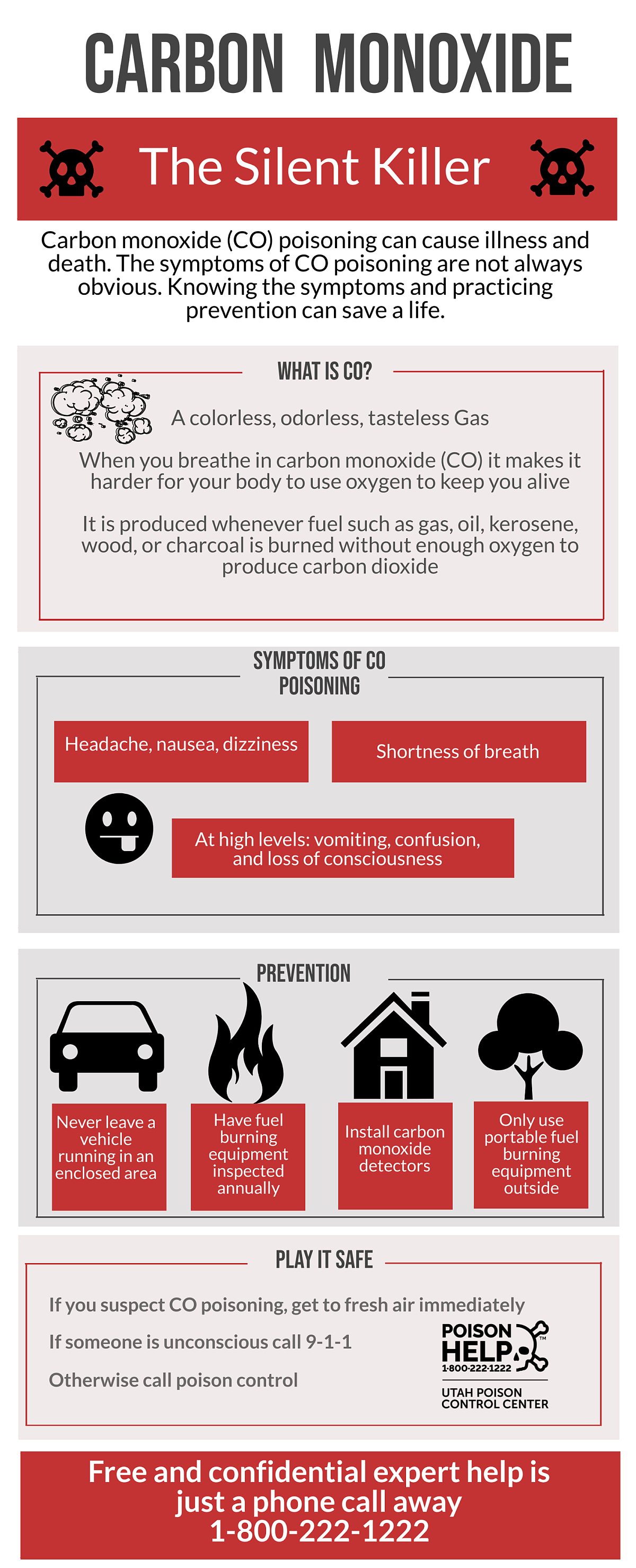
When it detects levels of CO that are too high, it doesn't whisper or give subtle clues. Oh no, this hero shouts! A loud, unmistakable alarm will blare, instantly grabbing your attention.
It's the ultimate peace-of-mind gadget, a guardian angel with a very loud voice.
Placing these detectors strategically in your home, especially near sleeping areas and on every level, is like setting up a robust security system against the invisible intruder.
Keeping Your Little Hero Happy
Even heroes need a little care and attention to keep doing their best work. Your CO detector is no different. It loves a good battery check and a regular dusting.
Most detectors have a simple "test" button. Pressing it once a month is like giving your hero a high-five, making sure its alarm is still loud and clear.
And remember those batteries! If your detector starts chirping intermittently, it's usually just a polite reminder that it's time for a fresh set. It's a small act that ensures your guardian remains vigilant.

Replacing the entire unit every five to seven years is also a good idea, as their sensors can wear out over time. Check the manufacturer's instructions for the exact lifespan of your specific model.
These simple acts of maintenance are like fuel for your detector's superpower. They ensure it's always ready to protect you and your loved ones from that sneaky, invisible guest.
The Sweet Sound of Safety
Knowing if there is Carbon Monoxide isn't about being scared; it's about being smart and proactive. It's about empowering yourself with knowledge and simple tools.
It's about understanding that while CO is a silent killer, it's not an undefeatable foe. We have incredible ways to detect its presence, from our own bodies' hints to our pets' strange behaviors, and most importantly, through dedicated detectors.
The feeling of security that comes from having working CO detectors is truly heartwarming. It's the quiet confidence that your home is safe, and your family is protected.
So, take a moment to appreciate these unsung heroes. The little detector on your wall, your loyal pet, and even your own observant self. They all play a part in keeping you safe from the invisible ninja.
And that, in itself, is a wonderful, enjoyable perspective on something so often perceived as frightening.