How To Know If Starter Is Bad Or Battery

Ever had that sinking feeling when you turn the key, and your car just... groans? Or maybe it just makes a sad click? This common car mystery is something everyone encounters. Learning to tell if your starting woes are from a bad battery or a faulty starter isn't just useful; it's a little like being a detective for your own ride! This simple skill can save you time, stress, and potentially a good chunk of money, making you feel far more in control when trouble strikes.
This knowledge is a significant advantage for everyone. For beginners, it demystifies one of the most common car problems, helping you understand your vehicle better and avoid being taken advantage of at the garage. For families, it means quicker diagnoses during roadside emergencies, potentially saving on towing and unnecessary repairs, keeping everyone safer and your budget happier. And for the budding DIY hobbyist, it’s a foundational piece of car maintenance, building confidence to tackle more complex tasks and deepening your understanding of how your car truly works. It’s all about empowerment!
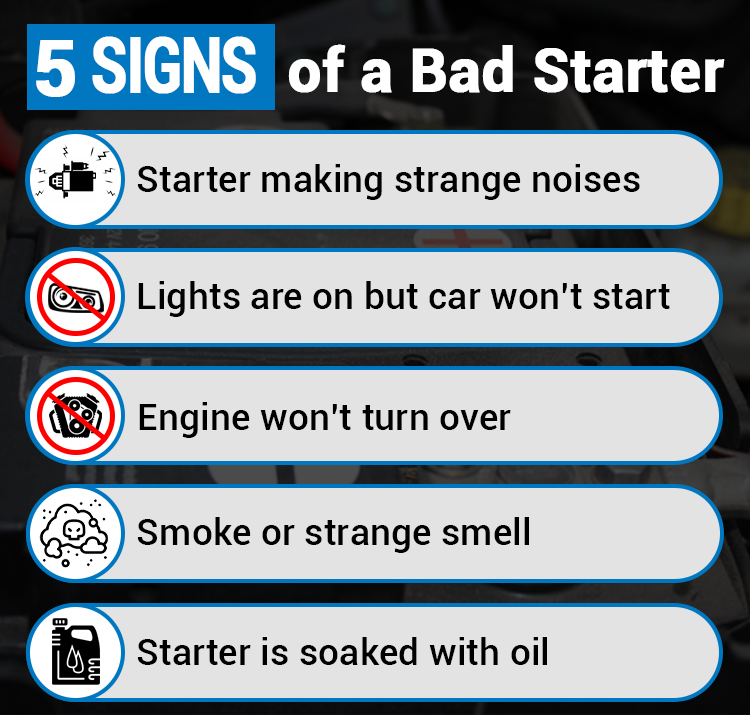
Let's talk symptoms. If you turn the key and all you hear is a rapid clicking sound, or your dashboard lights are dim and your headlights barely glow, you're almost certainly dealing with a dead or very weak battery. It lacks power to spin the engine. Conversely, if you turn the key and hear a single, loud "clunk", or perhaps nothing at all even though your lights and radio work fine, that often points to a starter motor issue. The starter needs power to engage; if failing, it won't spin the engine, even with a good battery. Sometimes, a starter might just whir without engaging the engine – another clear indicator. Always check for corroded battery terminals; they can prevent power, mimicking a bad battery.
Must Read
So, how do you play car detective with these clues?
- Listen Carefully: Pay attention to the sound. Rapid click (battery)? Single clunk (starter)? Or no sound but full power elsewhere (likely starter)?
- Check Your Lights: Before attempting to start, turn on your headlights. Are they bright or dim? Dim usually means a weak battery.
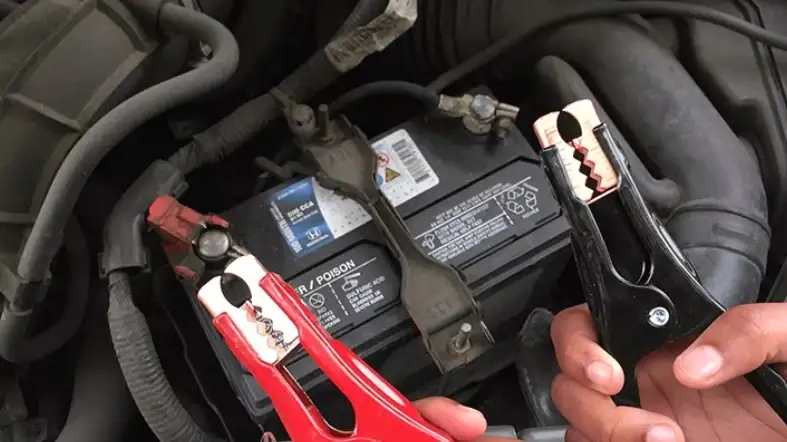
- Try a Jump Start: This is the ultimate test. If your car starts right up with a jump, your battery was the culprit. If it still only clicks, clunks, or does nothing even with good jump cables, then the starter is more likely the problem.
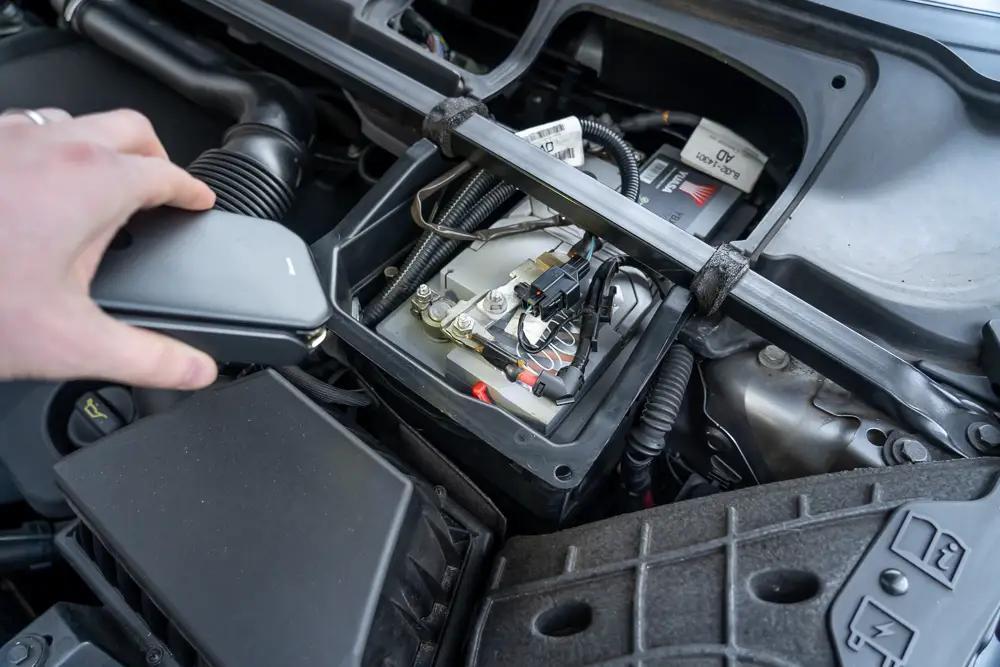
- Inspect Battery Terminals: Look for white or blue corrosion around the battery posts. Clean, tight terminals are crucial for proper electrical contact.
- Tap the Starter (Carefully!): If you can safely access it, sometimes a gentle tap on the starter motor with a wrench can temporarily dislodge a stuck component, allowing it to work once more. This confirms a failing starter, though it's only a temporary fix.
Understanding the difference between a bad battery and a faulty starter isn't just about fixing a car; it's about gaining confidence, saving money, and feeling more in control. It's a small but mighty step towards becoming a more informed car owner. So next time your car throws a starting tantrum, you won't just stand there; you'll be ready to diagnose like a pro!