How To Know If My House Has A Septic Tank

Alright, let's talk about a little mystery that lurks beneath the surface of many homes, a secret that, once uncovered, can bring a surprising amount of satisfaction and even a chuckle or two. We're talking about the humble, often unseen, but utterly crucial septic tank. Yes, you heard me right! Knowing whether your house is connected to a municipal sewer system or boasts its very own underground waste processing unit isn't just about plumbing; it's about becoming a true home detective, an enlightened homeowner, and a steward of your very own patch of earth.
Why, you ask, should you care about this subterranean secret? Well, my friend, it's not just about avoiding a future "uh-oh" moment (though that's a pretty good reason!). It's about understanding your home's unique personality, saving money on maintenance, and frankly, it's a fascinating piece of knowledge to tuck into your homeowner's toolkit. Think of it as discovering a hidden treasure map, only instead of gold, you find... well, something even more practical!
The Great Septic Hunt: Clue #1 – The Paper Trail
Let's start our investigation in the most civilized way possible: with paperwork! Before you grab a shovel, grab your laptop or phone.
Must Read
- Your Property Deeds and Disclosure Forms: When you bought your house, there's a good chance this information was disclosed. Dig out those closing documents. Is there a mention of "on-site sewage disposal" or "septic system"? Bingo!
- County Health Department: This is often your best bet for definitive answers. Local health departments are usually responsible for permitting and regulating septic systems. Give them a call, armed with your address, and they can often tell you if a permit was ever issued for a septic system on your property. It’s like calling the archives for a historical fact about your home!
- Local Building Department: Sometimes, building permits will also indicate the type of waste disposal system. Another quick call could solve the mystery.
- Your Neighbors: Seriously! Your immediate neighbors are often on the same system as you, or at least aware of the general infrastructure in the area. A friendly chat over the fence can be surprisingly informative. "Hey, Bob, got a quick question about our underground plumbing..."
If the paper trail leads you to a clear answer, congratulations! You've just completed Level 1 of your home detective training. But what if it's still murky?
The Great Septic Hunt: Clue #2 – The Visual Cues (Outside Your House)
Time to put on your explorer hat and venture into your own backyard! The ground beneath your feet holds some tell-tale signs.

The Lid Hunt
This is often the most direct visual clue. Septic tanks need to be accessed for pumping and maintenance. Look for:
- Circular or Rectangular Lids: These are typically made of concrete, plastic, or sometimes metal. They might be flush with the ground or slightly raised, usually 4-6 inches in diameter. Often, they're buried a few inches below the surface, so you might need to do a little gentle probing with a shovel or rod. Septic tanks are usually located 10-25 feet from the house.
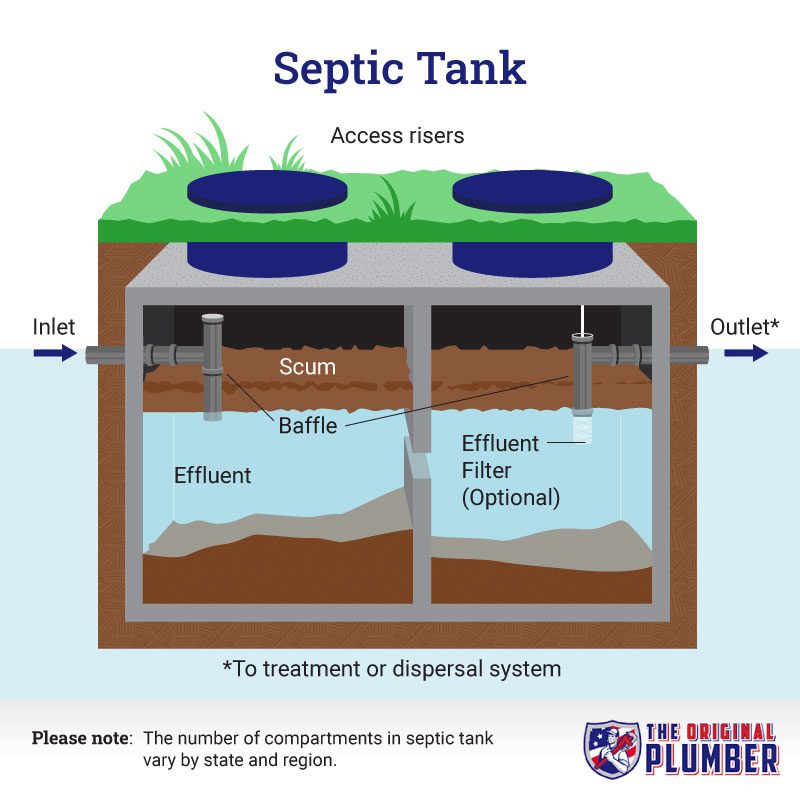
- Access Risers: Some modern systems have "risers" – green or black plastic pipes that extend from the tank to just above ground level, topped with a lid. These are pretty obvious once you know what you're looking for!
The Drain Field Dance
If you have a septic tank, you almost certainly have a drain field (or leach field). This is where the treated wastewater from the tank filters back into the soil. Look for:
- Unusually Lush, Green Grass: Especially in drier periods, the grass over a drain field might be significantly greener and taller than the surrounding lawn. Why? Because it's getting a consistent, natural irrigation system! (Don't worry, it's treated water.)
- Absence of Large Trees: Drain fields are designed to be relatively clear of deep-rooted plants that could interfere with the pipes. If there's a particular area of your yard where no large trees grow, it could be a clue.
- Slight Mounds or Depressions: Sometimes, you might see subtle linear mounds or depressions in the ground, indicating where the drain field pipes are buried.
The Vent Pipe Vision
While less common to spot, some septic systems have a small vent pipe sticking out of the ground near the tank or drain field. It's often a simple, uncapped PVC pipe.

The Great Septic Hunt: Clue #3 – The Plumbing Clues (Inside Your House)
Sometimes the biggest clues come from what you don't see, or what you don't pay for!
- No Sewer Line to the Street: Take a look at your front yard. Do you see a municipal sewer clean-out pipe near the street? Do you see a trench leading from your house to a public sewer line? If everything just seems to disappear into your lawn, that’s a pretty strong indicator of a private system.
- Your Utility Bills: This is a big one! Go grab your utility bill. Do you pay a separate "sewer service" or "wastewater treatment" fee to your municipality? If your water bill only charges you for water usage and doesn't include a sewer charge, then eureka! You likely have a septic system. This is often the quickest and most definitive answer.
Still Unsure? Time for the Experts!
If you've gone through all these steps and the mystery persists, don't fret! This just means you're a thorough detective. It's time to call in a professional. A qualified septic inspector or plumber can quickly locate your system (or confirm its absence) using specialized tools like probes, cameras, and even electronic locators. Think of them as your advanced investigative unit!

Why This Makes Life More Fun (and Empowering!)
You might be thinking, "Fun? About a septic tank?" And my answer is a resounding yes!
Discovering whether you have a septic tank isn't just about plumbing; it's about gaining a deeper understanding of your home's ecosystem. It makes you a more informed and empowered homeowner. You're no longer just living in a house; you're living with your house, understanding its quirks and needs. Knowing means you can maintain it properly, avoid costly repairs down the line, and even feel a little more connected to the land your home sits upon. It’s an act of responsible stewardship, a step towards sustainable living, and honestly, a pretty cool secret to share at your next dinner party!
So go forth, fellow home explorer! Embrace the quest, enjoy the process of discovery, and relish the satisfaction of uncovering another fascinating layer of your home's story. Who knew a septic tank could be so inspiring? Now you do!