How To Keep A Dog Calm In A Crate

Let's face it, a stressed-out dog in a crate is no fun for anyone. It's like a tiny, furry, anxiety-fueled symphony playing on repeat! But fear not, because turning your dog's crate into a peaceful haven is totally achievable, and surprisingly rewarding. This isn't just about shutting your dog away; it's about creating a safe, comfortable space where they actually want to be. And trust me, a calm, happy dog makes for a much calmer, happier household.
So, why is this so important? For beginners, crate training is a fundamental part of housetraining and preventing destructive behaviors. It gives your puppy a den-like space of their own. For families, a well-trained dog is a family dog. A crate provides a secure spot for your dog when things get hectic, like during parties or when the kids are having playtime. It prevents accidents and gives your dog a place to retreat to when they need a break. And for the more serious dog hobbyists, like those involved in dog sports or showing, a crate is essential for travel and maintaining a consistent routine, ensuring your dog remains calm and focused even in new environments.
The core idea is positive association. You want your dog to think of their crate as the canine equivalent of a spa retreat, not a prison. How do we achieve this? Simple! It's all about making the crate a happy place.
Must Read
Here are some practical tips to get started:
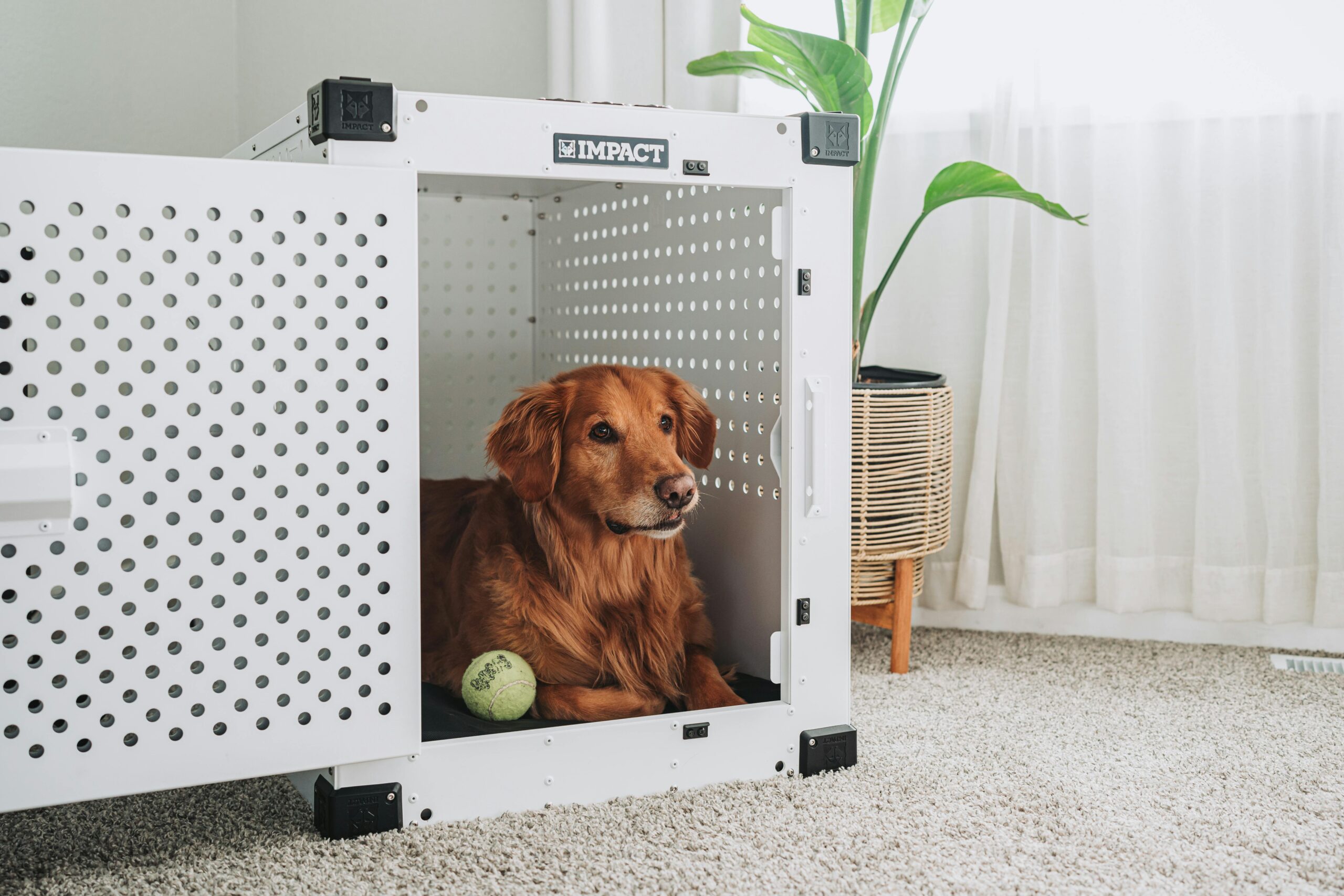
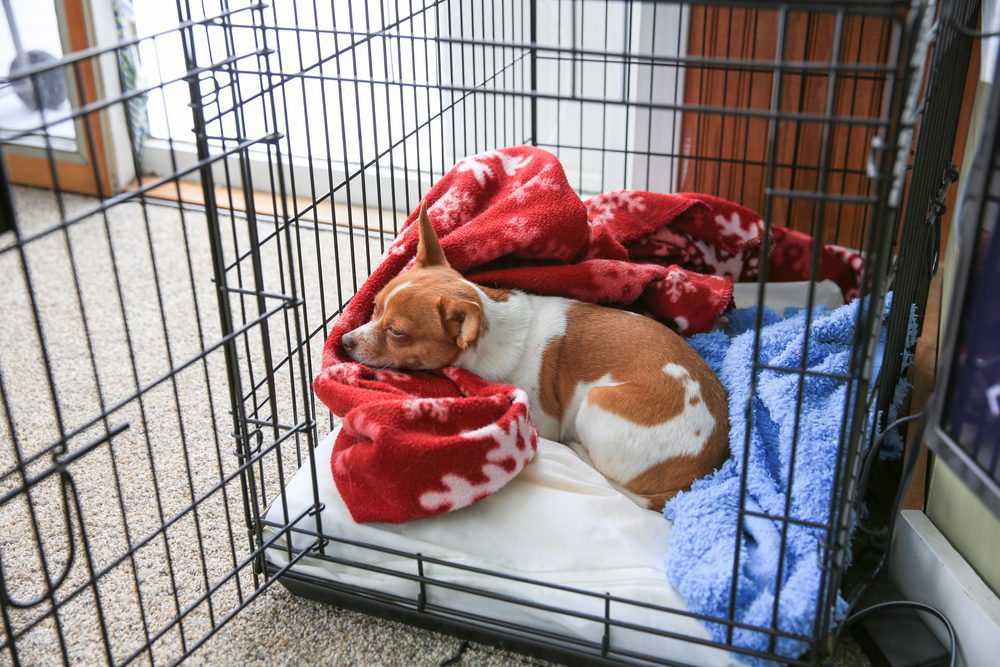
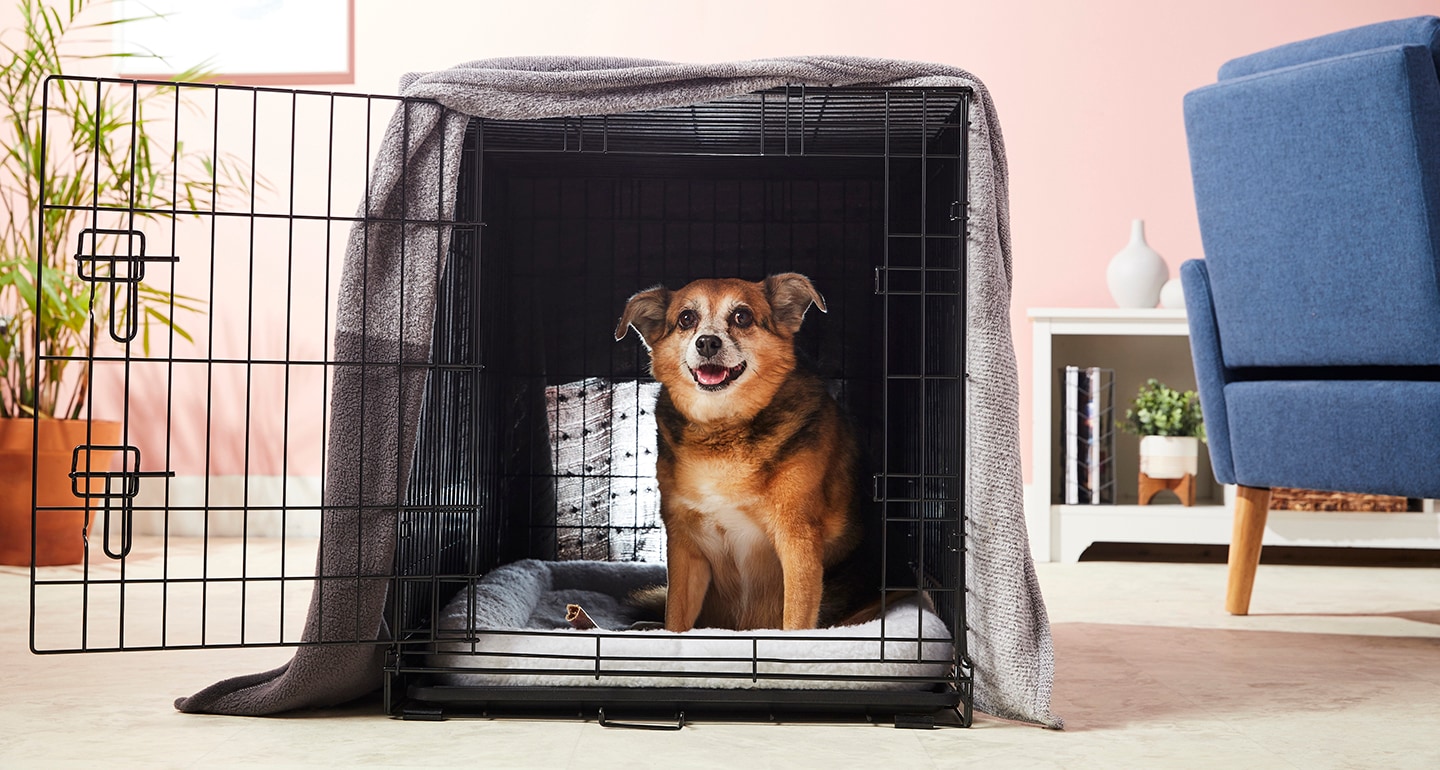
- Make it Comfy: This is crucial! Think plush bedding, soft blankets, and maybe even a favorite toy. The goal is to create a cozy and inviting atmosphere.
- Food is Your Friend: Start by feeding your dog their meals inside the crate. Close the door for short periods initially, gradually increasing the time as they become more comfortable. High-value treats like peanut butter-filled Kongs or puzzle toys are excellent for keeping them occupied and happy.
- Positive Reinforcement: Whenever your dog goes into the crate willingly, shower them with praise and treats. Use a calm and soothing voice to reassure them.
- Short and Sweet Sessions: Don't force your dog to stay in the crate for extended periods right away. Start with short sessions and gradually increase the duration as they get more comfortable.
- Crate Placement Matters: Place the crate in a common area of your home, like the living room or bedroom, so your dog doesn't feel isolated.
- Crate Games: Turn crate time into playtime! Toss toys into the crate and encourage your dog to retrieve them. This helps them associate the crate with fun and positive experiences.
- Ignore the Whining: This is tough, but crucial. If your dog whines or barks while in the crate, avoid giving them attention unless you are certain they need to go to the toilet. This will reinforce the unwanted behaviour. If you know all their needs are met and they are whining for attention, wait for a pause in the noise and then reward them.
Variations and examples: If your dog is anxious when left alone, try leaving a shirt that smells like you in the crate. If you have a puppy who is still learning to hold their bladder, ensure they have regular potty breaks. For high-energy dogs, a short walk or play session before crate time can help them settle down. If your dog is fearful of enclosed spaces, start by simply leaving the crate door open and allowing them to explore it at their own pace.
Remember, consistency is key. Crate training takes time and patience, but the rewards are well worth the effort. A calm, happy dog in a crate isn't just about convenience; it's about providing them with a safe and secure space where they can relax and feel comfortable. And that, my friends, is a feeling that both you and your furry friend can truly enjoy.