How To Install Safety First Car Seat Rear Facing

Okay, let's talk car seats. I know, I know, it's not exactly the most thrilling topic. But trust me, understanding how to properly install a car seat, especially in the rear-facing position, is like unlocking a superpower – the superpower of protecting your precious cargo! Think of it as becoming a mini-expert in child passenger safety. It's not just about ticking a box; it's about giving your little one the best possible chance in the event of an accident.
So, what's the big deal with rear-facing car seats anyway? Well, imagine a scenario where you suddenly slam on the brakes. Your child's head and neck, which are still developing and quite fragile, would be thrust forward. In a forward-facing car seat, the harness absorbs some of the impact, but the head and neck still experience significant force. However, when rear-facing, the car seat acts like a protective shell, distributing the crash forces across the entire back of the seat and cradling the head and neck. This significantly reduces the risk of serious injury, especially for infants and toddlers. The benefits are immense: reduced risk of head and neck injuries, enhanced protection for a developing spine, and ultimately, peace of mind for you as a parent or caregiver.
The rear-facing position isn’t just some theoretical concept. It’s backed by serious research. Think about those crash test videos you might have seen – they demonstrate the stark difference in impact force absorption. Beyond the lab, it's used in everyday life, every single time you buckle your child in. In some countries, children are required to remain rear-facing until much older than in the US. This highlights the effectiveness of rear-facing for older toddlers and preschoolers. Educating others about the importance of rear-facing is also a crucial application – spreading awareness can save lives.
Must Read
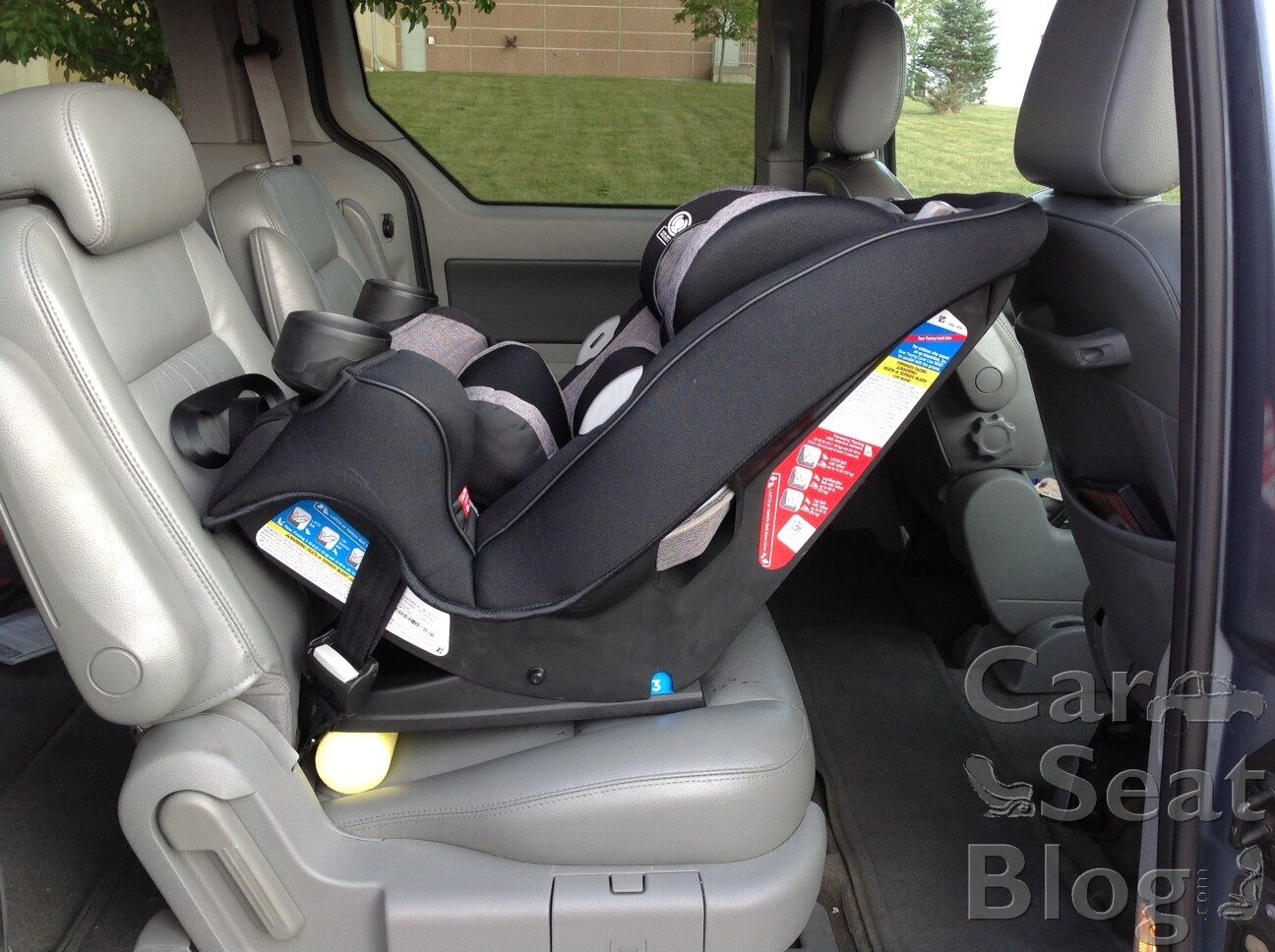
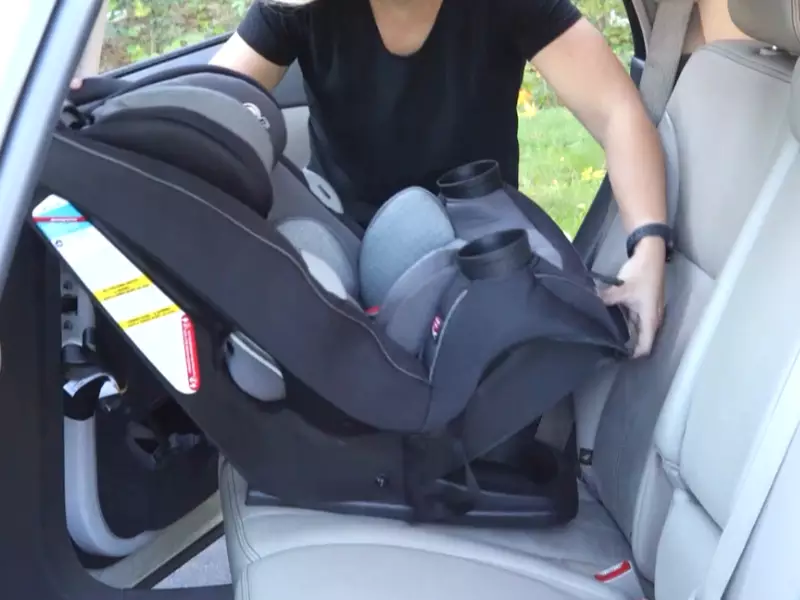
Now, let's get practical. Installing a Safety First car seat rear-facing isn't as daunting as it might seem. First, carefully read the car seat's manual. This is your bible! Every car seat model is slightly different, and the manual provides specific instructions for your seat. Next, locate the LATCH anchors in your car or use the seatbelt to secure the base. Make sure the base is level; many car seats have built-in level indicators. Ensure the harness straps are at or below your child's shoulders in the rear-facing position. Finally, give the seat a good shake at the belt path. It shouldn't move more than an inch in any direction.
Want to explore this further? Check out online resources like the National Highway Traffic Safety Administration (NHTSA) website or Safe Kids Worldwide. Many hospitals and fire departments offer free car seat safety checks where certified technicians can inspect your installation and offer guidance. Think of it as a personalized tutorial! A simple way to explore this further is to compare videos of front-facing vs rear-facing crash tests - the visual difference is remarkable. Remember, even a small adjustment can make a big difference. So, take your time, be diligent, and never hesitate to seek help from a professional. Your child's safety is worth it!