How To Hook Your Generator To Your House

Ever found yourself sitting in the dark, fridge getting warm, phone battery dwindling, wishing for some magic to bring the lights back on? You're not alone! The idea of hooking your own generator up to your house might sound a bit daunting, but it’s actually a incredibly empowering and useful skill to know about. It’s like having a superpower against power outages, and frankly, who doesn't want that kind of control when the grid goes down? This topic is gaining serious traction because folks are realizing how much peace of mind comes from being prepared. It's not just about convenience; it's about keeping life running smoothly, come what may.
So, who benefits from understanding this vital connection? Well, practically everyone! For beginners or families, the purpose is clear: security and comfort. No more spoiled food, no more shivering in the cold, and no more frantic searches for flashlights. It means your kids can still have their favorite snacks, and you can keep essential medical devices powered. For the more hands-on hobbyists or DIY enthusiasts, it’s a rewarding project that adds a significant layer of self-reliance to your home. Plus, understanding your home's power flow is a fantastic practical skill. It’s about more than just electricity; it’s about maintaining a sense of normalcy and control during uncertain times.
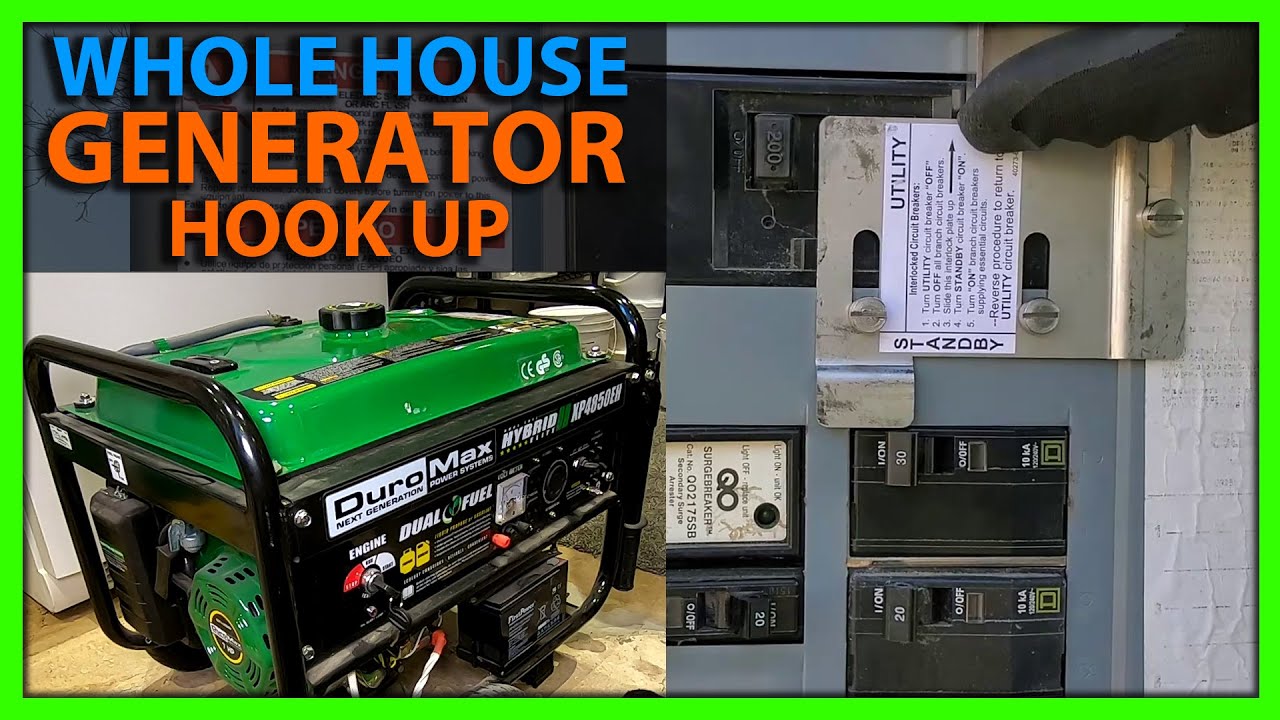
There are a few ways people approach hooking up a generator, and understanding the variations is key to finding the right fit for you. Most commonly, people use portable generators – those trusty machines you can wheel out when needed. The safest and most recommended way to connect these to your home's electrical system is through a manual transfer switch or an interlock kit. These devices ensure that your home is completely disconnected from the utility grid before the generator powers your house, which is absolutely critical for safety. Another option, for those looking for a more permanent solution, are standby generators. These are installed permanently outside your home and automatically kick on when the power goes out. Each method offers different levels of convenience and cost, but they all share the goal of safely bringing power into your home when the main utility grid fails.
Must Read
Ready to get started on your journey to power independence? Here are some simple, practical tips. First and foremost: safety first! Never, ever attempt to backfeed power directly into your home's outlets without a proper transfer switch or interlock kit. This is incredibly dangerous and can injure utility workers or damage your generator. Start by figuring out your power needs – what essentials do you want to run? This will help you choose the right size generator. Invest in a good quality, outdoor-rated, heavy-duty extension cord for plugging into your transfer switch inlet box. And if you're ever in doubt about any electrical work, always consult a licensed electrician. They can ensure everything is installed correctly and safely, giving you ultimate peace of mind.
In the end, learning how to safely hook your generator to your house isn't just about technical know-how; it's about empowerment. There's a real sense of satisfaction that comes from being prepared, knowing you can keep your lights on, your food fresh, and your family comfortable no matter what the weather throws at you. It’s a smart investment in your home’s resilience and your own peace of mind. So go ahead, explore the options, gather your tools, and get ready to enjoy the ultimate comfort of being truly prepared!