How To Hook Up A Generator To My House
In a world increasingly captivated by creative pursuits – from mastering sourdough to painting intricate miniatures – there’s a surprisingly profound satisfaction to be found in mastering a truly practical art form: the art of home resilience. While it might not feature on a gallery wall, the ability to keep your home humming when the neighborhood goes dark is a masterpiece of foresight and skill. We're talking about the quietly empowering dance of hooking up a generator to your house, and believe it or not, it can be an incredibly rewarding journey for the modern hobbyist.
Forget the image of a frantic scramble in a storm; think instead of a meticulously planned project, a design challenge that rewards precision and understanding. For the artist of preparedness, the engineer of everyday comfort, or even the casual learner eager to understand their home's intricate systems, this endeavor offers a unique blend of intellectual stimulation and tangible reward. It's about more than just electricity; it's about crafting peace of mind, about being the beacon in the blackout, and about proving your mettle against the unexpected.
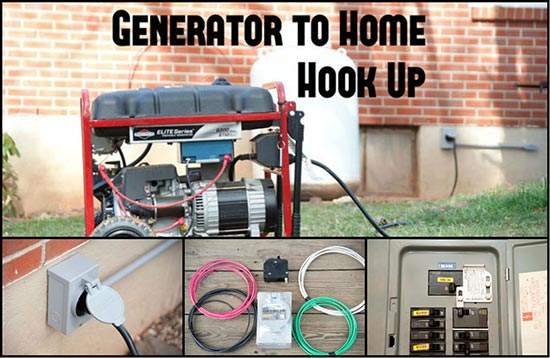
The "styles" and "subjects" in generator hookup are as varied as any craft. Perhaps your masterpiece involves a portable generator and a meticulously chosen manual transfer switch, a setup that requires your personal touch to activate. Or maybe you envision the grand "automatic standby" installation, a self-activating guardian that seamlessly takes over. The variation comes in tailoring the solution precisely to your home's needs and your comfort level with technology, making each setup a truly custom creation.
Must Read
Ready to try your hand at this unique form of functional art? Here are some tips for embarking on your home generator journey:
- Research is Your Sketchbook: Begin by understanding your home's specific power needs. What absolutely must stay on during an outage? This determines the size and type of generator you'll need.
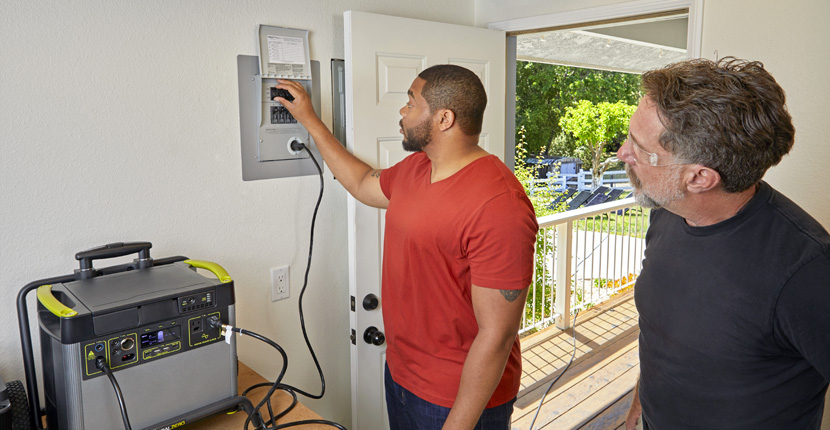
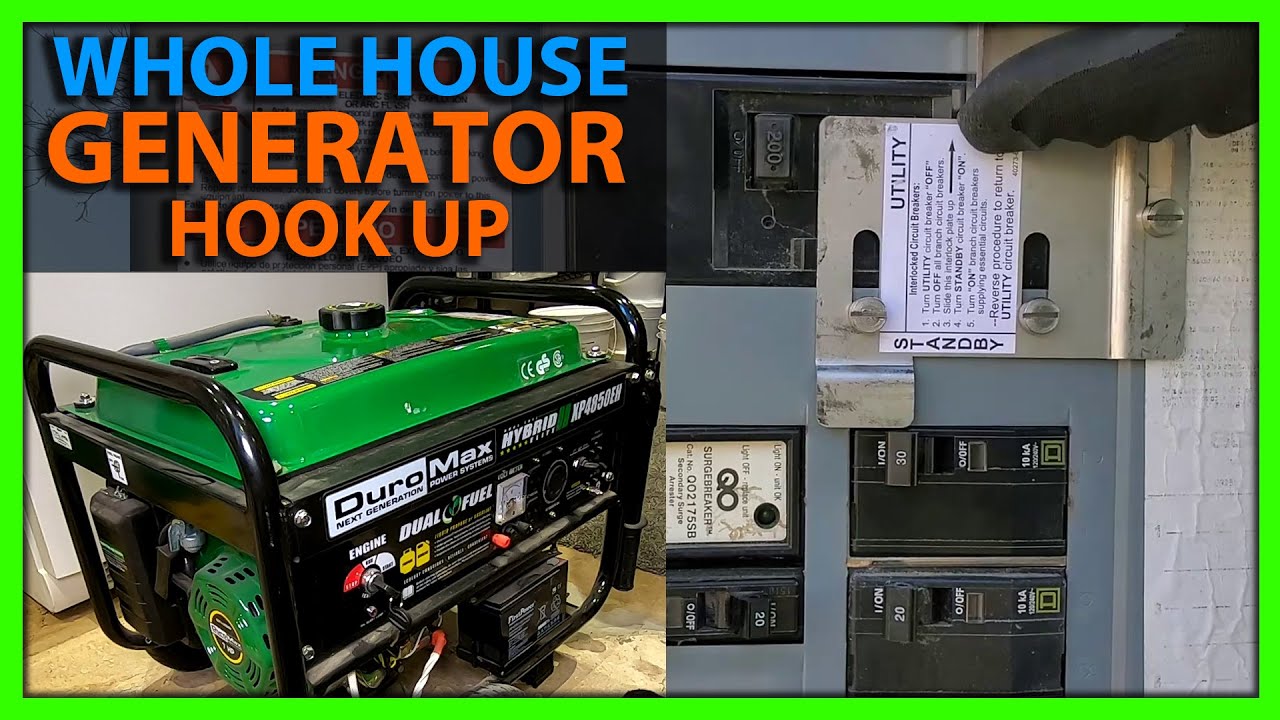
- Safety is Your Canvas: This is the absolute golden rule. While planning and understanding are great DIY skills, the actual connection of a generator to your home's electrical panel requires a licensed electrician and a proper transfer switch. This prevents dangerous backfeeding into the grid, protecting utility workers and your own equipment. Consider the professional installation of this critical component as the foundation of your masterpiece.
- Plan Your Layout: Where will the generator sit? How will fuel be stored? How will the connection cable run? Thinking through these logistics beforehand is like designing the perfect composition for your art piece.
- Read Your Manuals: Every generator is different. Familiarize yourself with its operation, maintenance, and safety guidelines long before an outage strikes. Practice is key!
In the end, what makes this pursuit so enjoyable? It’s the quiet satisfaction of knowing you're prepared. It's the hum of your generator during a storm, a symphony of self-reliance you helped orchestrate. It’s the ability to brew that morning coffee, keep the lights on for the kids, and maintain a sense of normalcy when the world outside feels chaotic. It’s not just hooking up a generator; it’s building resilience, one empowered, light-filled moment at a time. And that, truly, is a work of art.