How To Hook A Generator Up To The House
Imagine a stormy night. The wind howls, the rain lashes down, and then – poof! – darkness. Your fridge sighs, your phone charger goes limp, and the Wi-Fi signal vanishes into the ether. While a few candles can be charming for a moment, an extended power outage can quickly become a real hassle. That’s where the trusty generator steps in, and understanding how to connect one to your house isn't just practical; it’s genuinely fascinating, offering a real sense of preparedness and self-reliance.
So, what exactly is the big idea behind "hooking a generator up to the house"? Simply put, it’s about creating a safe and effective way to supply your home with temporary electricity when the main grid fails. The purpose is crystal clear: to keep your essential appliances humming, your lights shining, and your comfort levels high during an unexpected power loss. The benefits are enormous: no spoiled food, no freezing pipes in winter, access to crucial medical devices, and the ability to work or connect with loved ones when everyone else is in the dark. It grants you the ultimate peace of mind, knowing you're ready for whatever Mother Nature – or an unexpected grid issue – throws your way.
In daily life, the most common scenario for a generator connection is during natural disasters like hurricanes, ice storms, or even just localized utility issues. For families with young children, elderly members, or those relying on sensitive medical equipment, a reliable backup power source isn't just convenient; it's a critical safety net. Beyond emergencies, some folks in rural areas might use them for off-grid living, topping up batteries, or powering remote workshops. From an educational perspective, exploring this topic introduces you to basic electrical safety, the concept of a closed circuit, load management, and the importance of professional electrical work. It demystifies a part of your home's infrastructure that often feels like magic.
Must Read
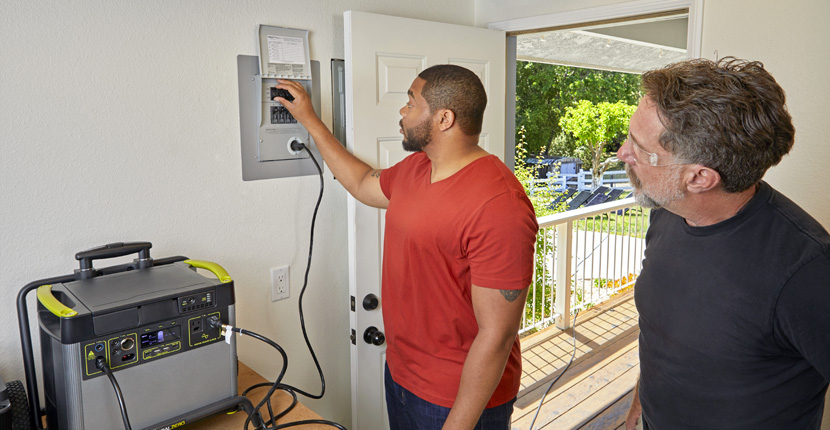
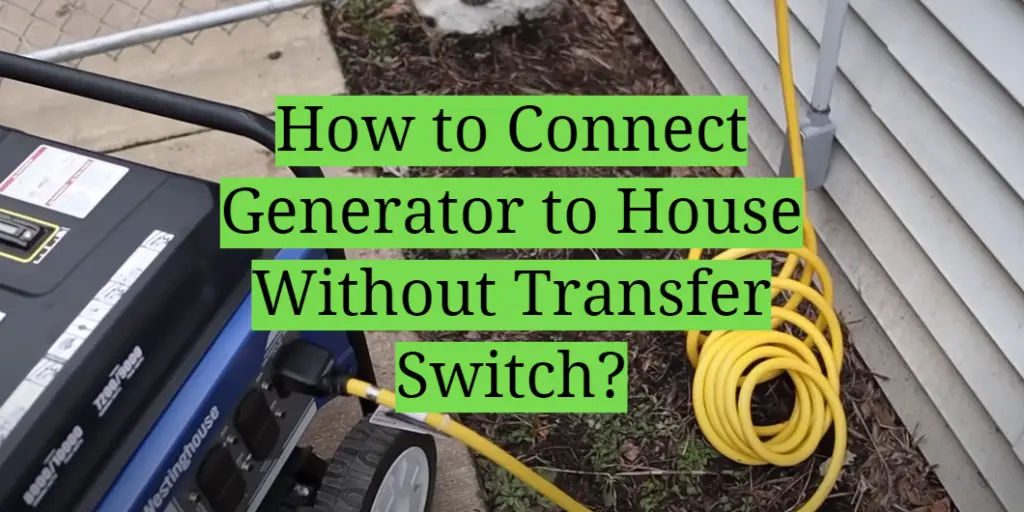
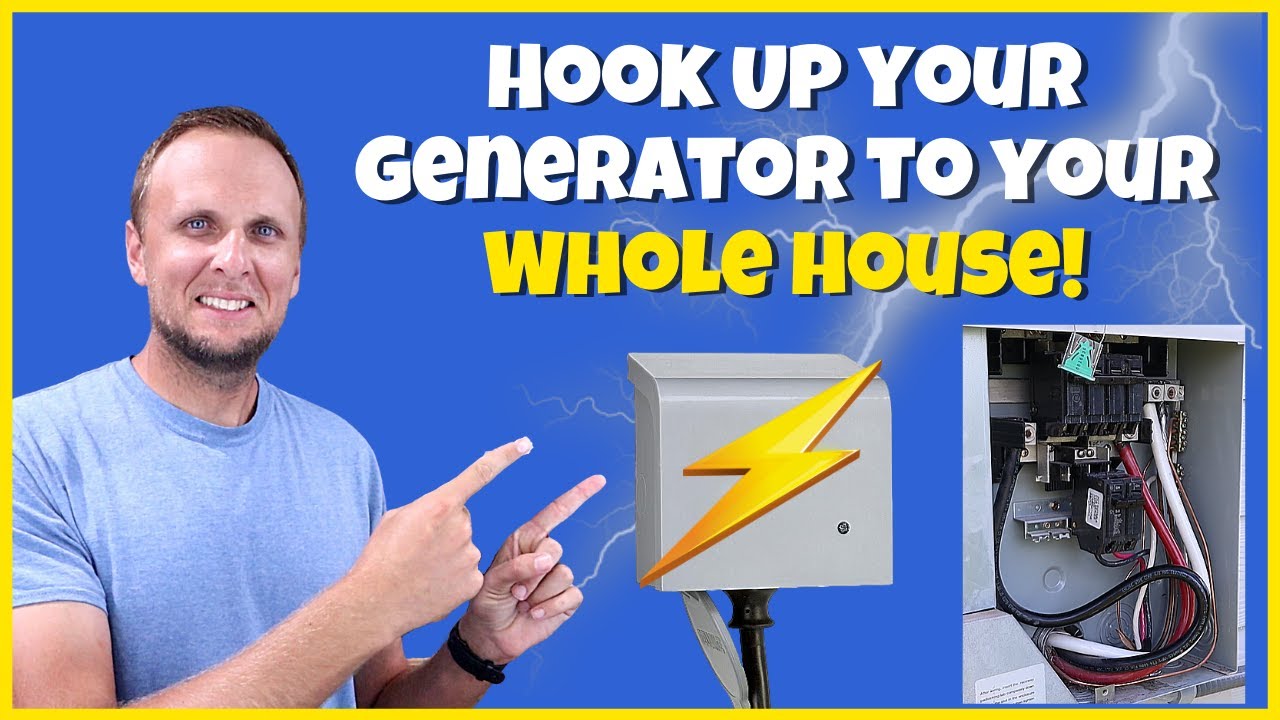
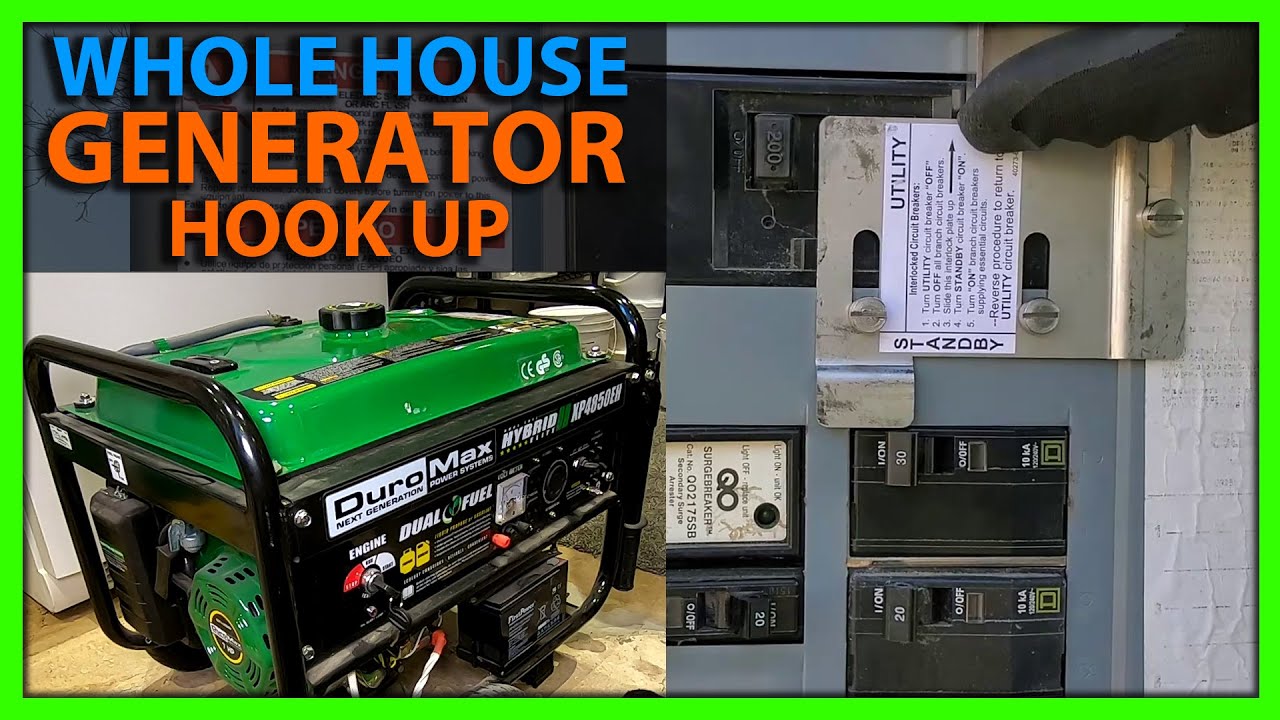
Ready to peek behind the electrical curtain? Here are a few practical tips for exploring this world safely and effectively. First and foremost, understand that directly plugging a generator into a standard wall outlet (known as "backfeeding") is incredibly dangerous and illegal. It can send electricity back into the grid, potentially injuring or even killing utility workers. The correct and only safe method involves installing a specialized piece of equipment called a manual transfer switch (or an automatic one for more permanent setups) by a certified electrician.
To start your journey of discovery, begin by researching different types of generators (portable vs. standby), understanding their wattage capabilities, and learning about fuel types. Explore resources on local electrical codes and generator safety protocols. Most importantly, if you're seriously considering this for your home, consult with a qualified electrician. They can assess your specific needs, recommend the right equipment, and perform the installation safely and to code. It's a fantastic journey into understanding your home's resilience, transforming you from a passive power consumer into a truly prepared and empowered homeowner.