How To Get Rid Of Carbon Dioxide In The House

Ever walked into a room and felt a little… stuffy? Maybe a bit sleepy, even though you just woke up? Or perhaps you've noticed a strange flatness to the air after a long evening entertaining guests? You might be experiencing the subtle, yet significant, effects of elevated carbon dioxide (CO2) levels in your home! Don't worry, it's not a crisis, but it's an incredibly fascinating and relevant aspect of our daily indoor lives. Learning about how to manage CO2 isn't just for scientists; it's a super practical skill that can significantly boost your comfort and well-being. Think of it as tuning into your home's hidden atmosphere!
So, what's the big deal with this invisible gas? Well, we exhale CO2 every time we breathe, and so do our pets. When we're cooped up indoors, especially in modern, tightly sealed homes, that CO2 can accumulate. The main purpose of tackling high CO2 is to maintain optimal indoor air quality. The benefits are numerous and wonderfully impactful: we're talking about banishing that dreaded "brain fog," improving concentration for work or study, enjoying more restful sleep, and even reducing those nagging afternoon headaches. Ultimately, it’s about creating a fresher, more vibrant living space where everyone feels their best.
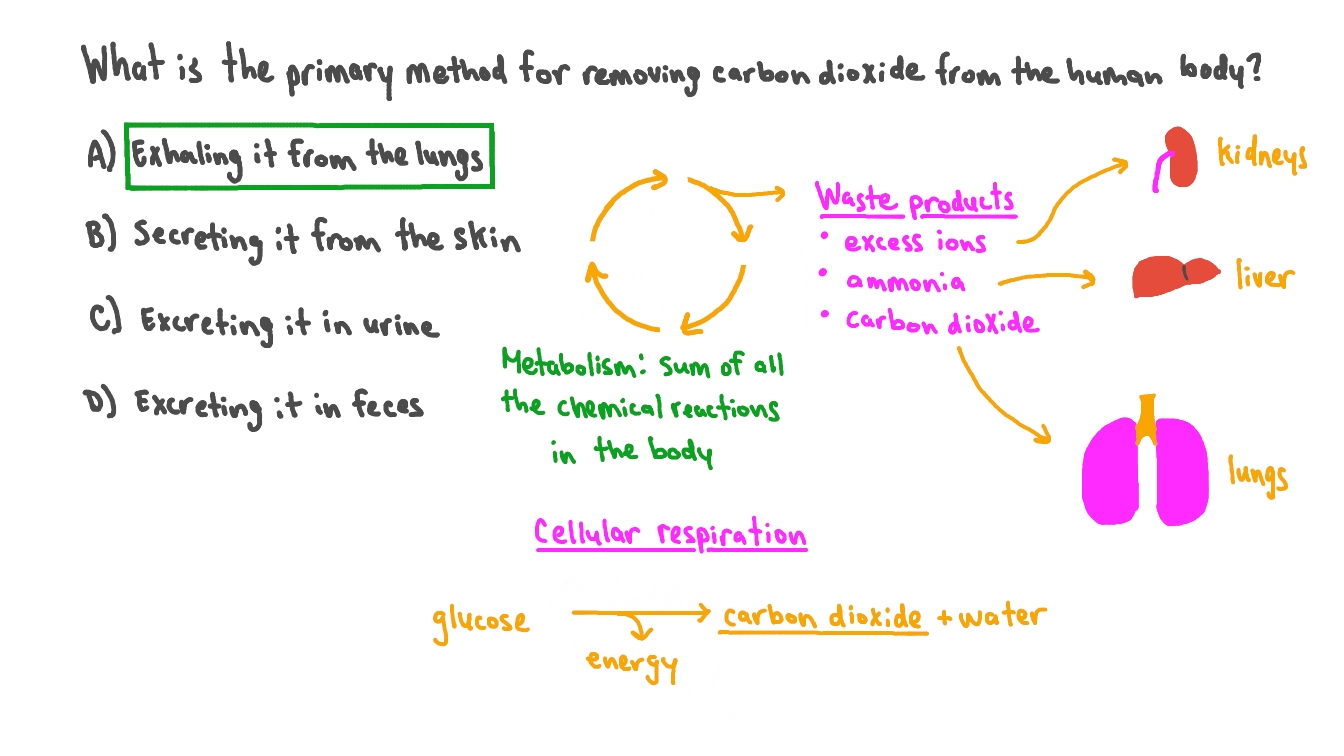
You might be wondering where this applies in daily life or even education. In your everyday routine, it's surprisingly simple! Think about cooking a big meal – all that activity and warmth means more CO2, which is why your kitchen exhaust fan isn't just for smells, it's for air exchange. Or imagine a lively board game night with friends; opening a window for even 10 minutes can make a world of difference. For the curious minds, CO2 is a fundamental part of science education. Kids might explore respiration in biology class, understanding how our bodies produce this gas. They could even conduct simple experiments, like measuring CO2 levels in a sealed container with a plant versus one without, tying into basic environmental science and the magic of photosynthesis.
Must Read
Ready to become an indoor air quality detective? Here are some practical, easy ways to explore and address CO2 levels in your home. The number one tip is consistently ventilate! Simply opening windows regularly, even for 5-10 minutes a few times a day, is incredibly effective. This creates a cross-breeze that flushes out stale air. Make sure to use those exhaust fans in your kitchen and bathroom, as they actively pull air out of your house. If you're really keen, you can invest in an affordable CO2 monitor. These little gadgets are fun to watch and can give you instant feedback on your home's air quality, revealing patterns you might never have noticed. While not a primary solution, adding some houseplants can contribute a little bit to CO2 absorption, plus they make your home look beautiful! Observe how you feel in different rooms or at different times of the day; often, your body is telling you when it’s time for some fresh air. It’s a subtle science, but one that makes a big difference to how comfortable and alert you feel in your own space.