How To Get Fire Alarm To Stop Going Off
Ah, the fire alarm! It’s the unsung hero of home safety, but let's be honest, it often announces its presence at the most inconvenient, and frankly, annoying times. Whether it's the result of a slightly over-toasted bagel, a particularly steamy shower, or an adventurous attempt at a new recipe, that shrill, piercing shriek can turn a peaceful moment into pure chaos in seconds. And hey, who hasn't felt that rush of adrenaline followed by a "D'oh!" moment when you realize it's just smoke from your culinary masterpiece? Learning how to silence that sudden serenade quickly is not just useful, it's a genuine peace-of-mind skill that every homeowner and renter should have in their toolkit.
So, why dive into the seemingly mundane topic of stopping a blaring alarm? Because it’s about regaining control of your sanctuary! For beginners and new homeowners, understanding your alarm system means less panic and more swift action, preventing unnecessary stress. For families, it's crucial for keeping kids calm, teaching them the difference between a real emergency and a false alarm, and avoiding disruptions to homework or bedtime. And for anyone who values a tranquil living space, knowing these tricks means you can quickly restore quiet without resorting to pulling the battery out with a butter knife (though we’ve all been there!). It’s about being proactive and feeling empowered in your own home.
The good news is that most false alarms stem from a few common culprits. Often, it's just plain old cooking smoke or steam drifting a little too enthusiastically. Other times, it might be a build-up of dust or cobwebs inside the alarm itself, making it overly sensitive. And let's not forget the infamous low-battery chirp – a different sound, but equally maddening if you don't know what it means. Fire alarms come in various forms too: simple battery-operated units, hardwired systems connected to your home's electricity (often with a battery backup), or even interconnected smart alarms where one alarm setting off triggers all the others. The method to silence them often depends on the cause and type.
Must Read
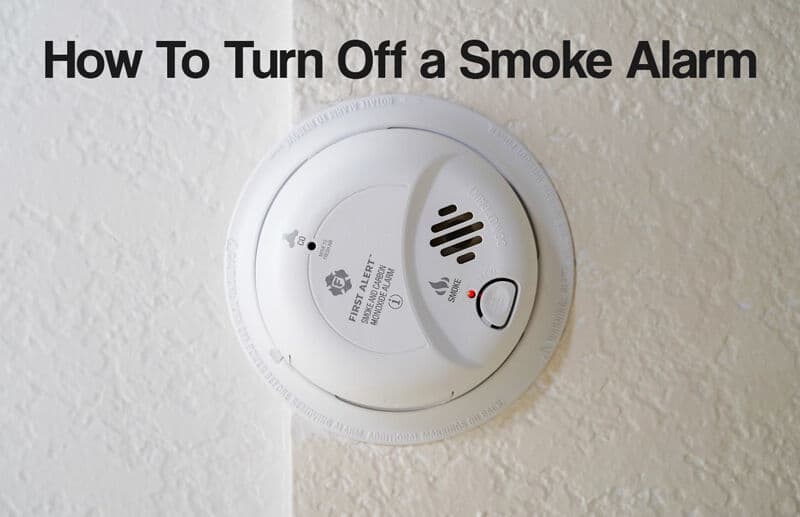
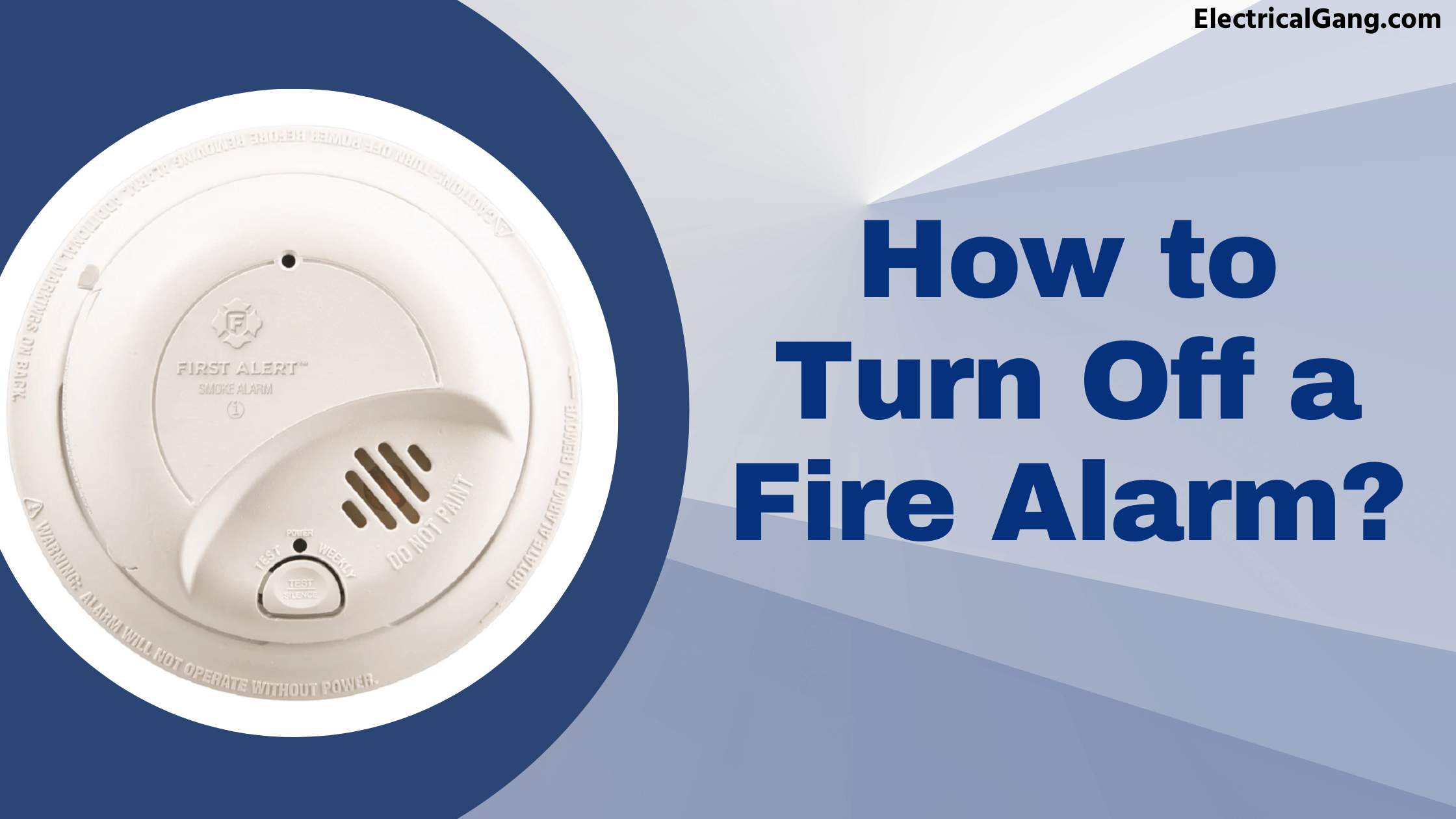
Ready for some simple, practical tips? First, don't panic! If there's no visible fire, your priority is to ventilate the area. Open windows and doors, and turn on exhaust fans (like the one above your stove). Next, locate the offending alarm. Most modern smoke detectors have a "hush" or "test/reset" button right on the unit. Press and hold this button for a few seconds; it should silence the alarm temporarily, usually for 5-15 minutes, giving you time to clear the air. If it's a low-battery chirp, you'll need to replace the battery immediately – typically a 9-volt or AA batteries, depending on your model. Always keep spares handy!
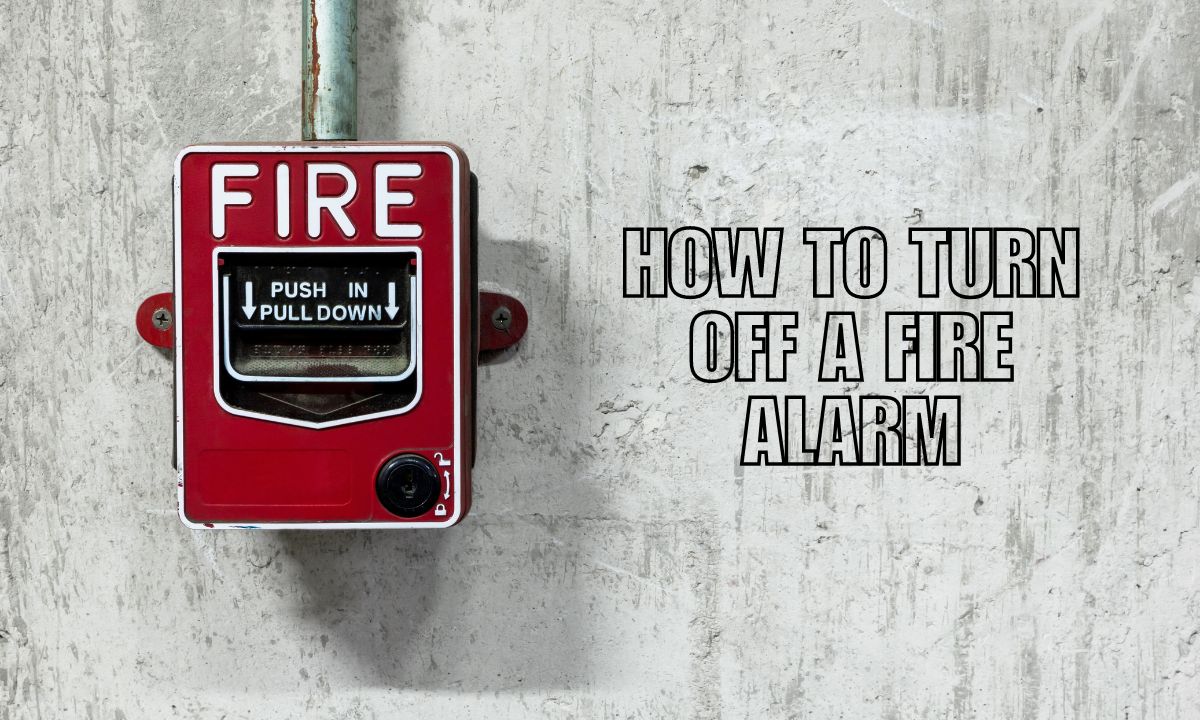
For persistent false alarms, or if the "hush" button isn't doing the trick, consider giving your alarm a little TLC. Gently vacuum around the vents of the alarm or wipe it with a damp cloth to remove dust or small insects that might be interfering with its sensor. Remember, if your alarm is hardwired, turning off the circuit breaker that powers it can temporarily silence it, but this should only be a last resort and for false alarms only – always restore power once the issue is resolved. And a crucial disclaimer: these tips are for false alarms only. If you suspect there's an actual fire, evacuate immediately and call emergency services!
Mastering the art of silencing a runaway fire alarm is a small but significant step towards a calmer, more controlled home life. It saves you from unnecessary stress, prevents startling disruptions, and helps you feel more confident in handling minor household mishaps. So, the next time that piercing sound erupts, you won't just stand there bewildered; you'll be the calm, capable hero who swiftly restores peace and quiet. Knowing these simple tricks brings a surprising amount of satisfaction and ensures your home remains the peaceful haven it’s meant to be.