
How To Get A Dog To Release Its Bite
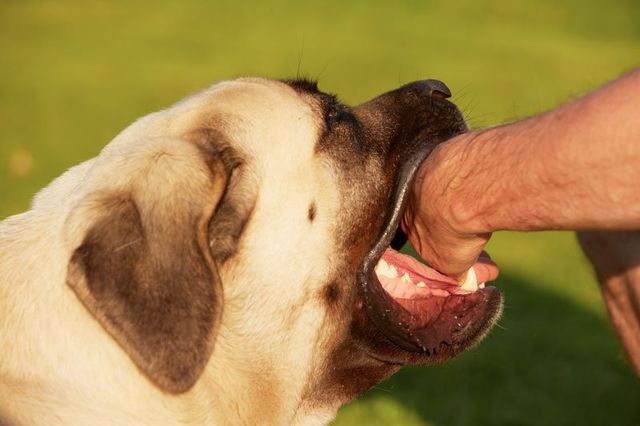
Okay, let's talk about something super important – and honestly, potentially hilarious (in hindsight, of course!): getting your dog to release its bite. Now, before you envision Jaws running around your living room, remember that most dogs aren't aggressive. They just sometimes get a little too enthusiastic with toys, or maybe mistake your hand for a chew toy. (Hey, it happens!)
But knowing how to handle a bite release, even if it's just playful nipping, is crucial for everyone's safety and sanity. Trust me, a swift "off!" can save you a lot of frustration (and maybe a trip to the bandage aisle!).
Why Is Bite Release Important?
Think of it this way: a reliable bite release isn't just about stopping unwanted biting. It's about communication, control, and building a stronger, more trusting relationship with your furry friend. If your dog knows you're in charge and understands your commands, everyone will be happier. Plus, imagine the fun you can have playing fetch without worrying about losing a finger! (Okay, slight exaggeration, but you get the idea.)
Must Read
Furthermore, life happens. Your dog might accidentally grab someone's hand during a game, or maybe they get overexcited around a new pet. A solid bite release command can prevent a harmless accident from escalating into something more serious. Wouldn’t you feel better knowing you have that tool in your arsenal?
The "Leave It" Command: Your Secret Weapon
The foundation of a good bite release is often the "Leave It" command. This isn't just for dropping toys; it's about teaching your dog to respect your authority and understand that sometimes, you need them to let go of whatever they've got in their mouth. (Even if it's that ridiculously fluffy squeaky toy they adore!)

Here's a simple way to teach "Leave It":
- Grab a treat. Something irresistible. (Bacon bits, anyone?)
- Hold the treat in a closed fist. Let your dog sniff and lick, but don't open your hand.
- Say "Leave It" firmly.
- Once your dog stops trying to get the treat (even for a second!), immediately open your hand and give them the treat from your other hand. The reward isn't what they were trying to get – it’s the reward for listening!
- Repeat, repeat, repeat! Practice makes perfect, and soon your dog will associate "Leave It" with a positive reward.
Training Tips: Make it Fun, Not a Fight!
Training should be a blast for both of you. Keep these tips in mind:
- Short and Sweet: Keep training sessions brief (5-10 minutes) and frequent. Dogs have short attention spans, just like us sometimes!
- Positive Reinforcement: Use treats, praise, and toys to reward good behavior. Avoid punishment, which can create fear and anxiety.
- Be Consistent: Use the same commands and hand signals every time. Don't confuse your dog by switching things up.
- Start Easy: Begin with low-value items and gradually work your way up to more tempting things.
- Practice in Different Environments: Once your dog is reliable indoors, practice in the park, on walks, and around other people and dogs.
The "Trade" Method: Make It Worth Their While
Another excellent technique is the "trade" method. If your dog has something in their mouth you need them to release, offer them something even better. A juicy piece of chicken for a slobbery tennis ball? It's a no-brainer for most dogs! (And hey, maybe you can sneak in a little dental hygiene check while they're distracted. Bonus points!)
The key is to make the trade irresistible. Show your dog the new item, say "Drop it" or "Release," and then immediately offer the trade. As soon as they let go, shower them with praise and let them enjoy their new prize.

What About Aggressive Biting?
If your dog exhibits aggressive biting behavior (growling, snapping, lunging), it's crucial to consult with a certified professional dog trainer or veterinary behaviorist. Aggression can stem from various factors, including fear, anxiety, or pain, and requires a tailored approach.
Remember, you're not alone! There are plenty of resources available to help you and your dog overcome these challenges. Don't be afraid to seek expert guidance.

The Payoff: A Happier, Safer Life Together
Teaching your dog to release its bite might seem like a small thing, but it can have a huge impact on your relationship and the safety of everyone around you. It's about building trust, establishing clear communication, and creating a more harmonious life together. Plus, who doesn't want to brag about their well-behaved pup at the dog park?
So, take a deep breath, grab some treats, and start practicing. You might be surprised at how quickly your dog learns. And who knows, maybe you'll even discover a hidden talent for dog training! The journey is worth it, and the bond you'll create with your furry friend will be priceless.
Ready to dive deeper into the world of dog training? There are tons of fantastic books, online courses, and local trainers just waiting to share their wisdom. Go forth and conquer – your happy, well-behaved dog awaits!