How To Find Septic System In Your Yard

Picture this: It's a gorgeous Saturday morning, you've just finished your third cup of coffee, and you're feeling ambitious. "Today," you declare to your bewildered spouse (or perhaps just your houseplants), "I'm going to finally plant that majestic oak tree right there!" You grab your shovel, full of vigor, and start digging. Thunk! Not a rock. Thunk again! Uh oh. That's suspiciously flat and large. A quick Google search later and a cold dread washes over you: you might have just smacked your shovel into your
Sound familiar? Maybe not the oak tree part specifically, but that feeling of realizing there's a huge, incredibly important, and potentially very expensive piece of infrastructure hiding somewhere in your yard that you have absolutely no clue about? Yeah, me too. Trust me, I've been there, staring blankly at my lawn, wondering, "Where in the name of all that is holy is my septic system?!"
It's like your house is playing a giant, high-stakes game of hide-and-seek, and the septic system is the champion hider. But unlike your car keys, finding this bad boy isn't just about convenience; it's about preventative maintenance, avoiding costly repairs, and knowing where not to plant that oak tree or build a new deck. So, let's embark on a little detective mission, shall we?
Must Read
Why Bother Hunting for Your Septic System?
Good question, you curious soul! Besides the obvious "not wanting to accidentally dig into it" reason, knowing your septic system's location is crucial for a few things:
- Maintenance: Septic tanks need to be pumped out every few years. Your septic company will thank you (and probably charge you less) if you can point them directly to the access lid.
- Landscaping: You don't want to plant heavy trees or build structures over your tank or drain field. Roots can wreak havoc, and weight can cause damage.
- Troubleshooting: If you ever have a backup, knowing where your system is helps diagnose the problem faster.
- Resale Value: Potential buyers will appreciate knowing the system's layout.
Let the Septic Safari Begin! Your Step-by-Step Guide
1. The Paper Trail Detective
This is often the easiest starting point, so grab a snack and get comfy. Check your county or city records. Most municipalities require permits for septic system installation, and those permits usually include a diagram or "as-built" drawing. This is your holy grail! Check with the building department or health department. Sometimes, the previous homeowners might have left a record, so dig through those old house documents.

2. The Lawn Whisperer: Look for Visual Clues
Your yard might be giving you subtle hints, if you know what to look for:
- The Greenest Patch: Sometimes, the grass directly over the septic tank or drain field can be surprisingly greener and lusher than the surrounding lawn. Why? Extra nutrients (ew, but true!) and moisture.
- Depressions or Mounds: Over time, the ground above a septic tank can settle, creating a slight depression. Conversely, sometimes the drain field might be slightly mounded.
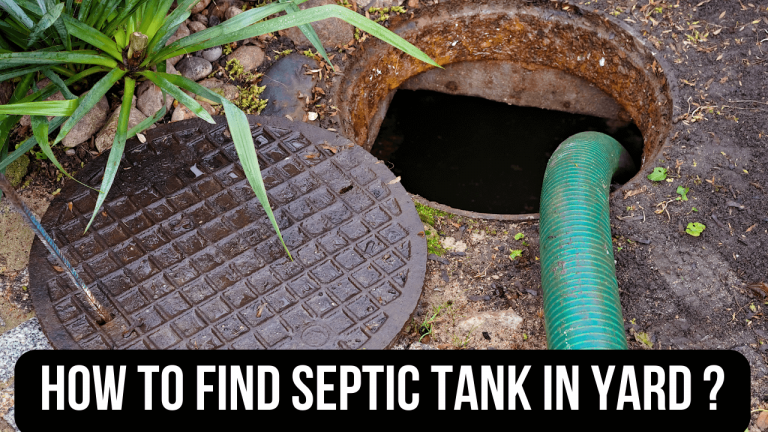
- Access Risers or Lids: These are usually concrete, plastic, or sometimes cast iron, and they might be flush with the ground or slightly raised. They’re often round or square. If you see one, bingo!
- Proximity to the House: Septic tanks are typically located 10 to 20 feet away from the house foundation, often in the front or backyard, away from wells or water sources.
3. The DIY Groundhog (Carefully!)
Okay, this step requires some caution, but it can be effective. Call 811 first! Seriously, before you stick anything in the ground, call 811 (or your local "dig safe" number) to have utility lines marked. You don't want to hit a gas line trying to find your septic. Once cleared, you can try gently probing the ground. Get a piece of rebar or a long, thin metal rod. Starting about 10-15 feet from your house, in the general area you suspect, gently push the rod into the ground. When you hit something hard, it could be your tank lid. If it feels hollow, move on. If it feels like solid concrete or plastic, you're getting warm!

4. Follow the Leader (aka the Main Drain Line)
This is a bit more hands-on but often very telling. Locate where your main drain line exits your house. This is usually a 4-inch pipe (often PVC or cast iron) that you can find in your basement, crawl space, or by looking at the foundation from the outside. Once you find it, use a tape measure and some string to extend a straight line from that exit point out into your yard. Your septic tank is almost always directly in line with this pipe, often within that 10-20 foot range we talked about. This is your best educated guess without professional help.
5. When All Else Fails: Call a Pro
If you've tried everything and your septic system is still playing hard-to-get, it's time to call in the big guns. A septic professional has specialized equipment, like locators and cameras that can be sent down your drain line, to pinpoint the exact location. It might cost a little, but it's often worth the peace of mind and prevents potential disasters.

A Few Golden Rules Before You Go Digging!
Again, I can't stress this enough: always call 811 before digging! Hitting a utility line is way worse than not finding your septic system. Also, don't dig blindly or aggressively. Be patient, use your clues, and if you're ever unsure, err on the side of caution. Your home's most vital hidden component is worth treating with respect!
So, go forth, brave homeowner! Arm yourself with knowledge, a little curiosity, and maybe a long metal rod. Unravel the mystery of your yard, and reclaim the power of knowing exactly where your septic system is hiding. Happy hunting!