
How To Find Out If A Neighborhood Is Safe
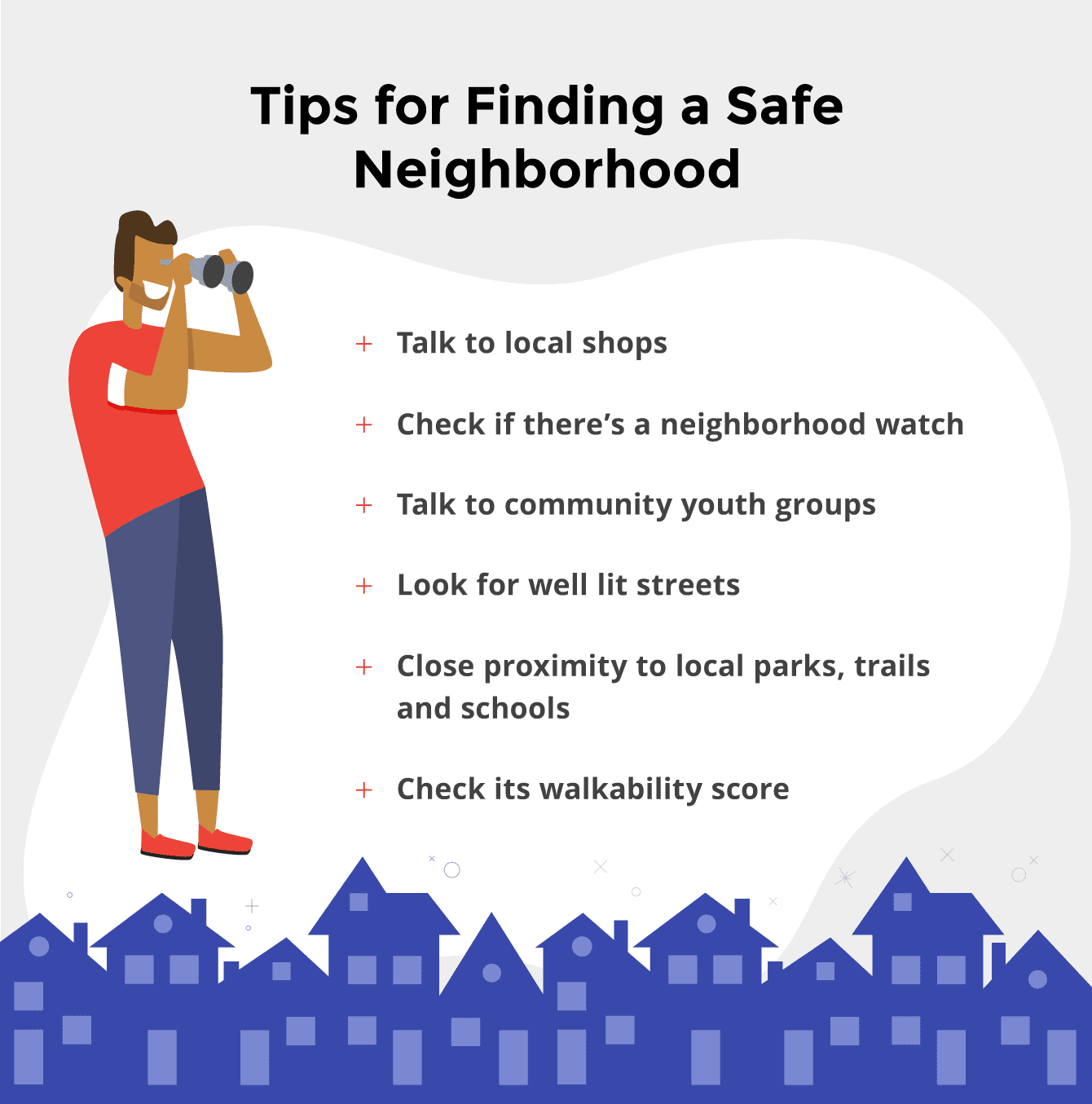
Okay, so you’ve found a place you kinda like, right? Maybe it’s got that cute little coffee shop around the corner, or the park for your hypothetical future dog. But here’s the million-dollar question: is it actually… safe? Because let’s be real, nobody wants to feel like they’re starring in a true-crime documentary just by walking to the grocery store. Am I right?
Finding out if a neighborhood is safe is a bit like detective work, but way less intense and with much better snacks. You’re basically just gathering clues, piecing together the puzzle. And guess what? You don’t need a trench coat or a magnifying glass. Just a good pair of walking shoes and a healthy dose of curiosity.
Start Your Investigation Online (But Don't Trust Everything!)
First up, the digital deep dive. This is where most of us start, let's be honest. Google is your best friend here. Look up crime maps for the area. They'll give you a visual snapshot of reported incidents. Super helpful, right? But here’s the kicker: they don’t tell the whole story. A single incident in a generally safe area can skew things. So, take it with a grain of salt, or maybe a whole shaker.
Must Read
Dive into local news archives. Any recurring themes? Are there a lot of stories about petty theft, or more serious stuff? You want to know what the vibe is. Check out local Facebook groups or forums too. People love to chat about their neighborhoods there – both the good and the grumbles. Just remember, some folks love to complain, so read between the lines!
The Daytime Stroll: Your First Recon Mission
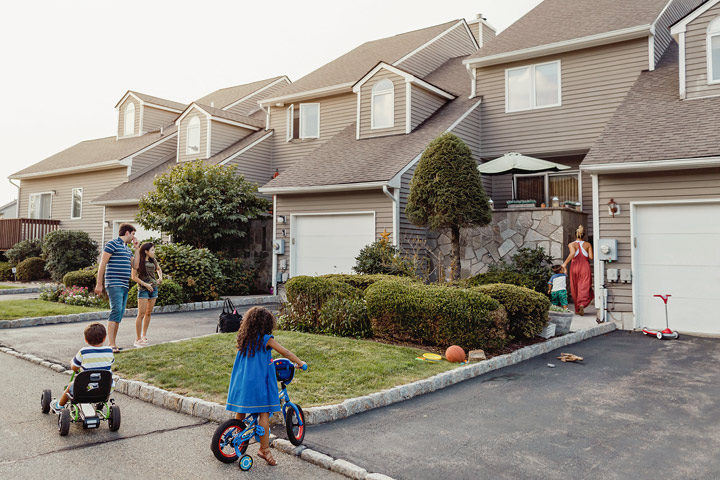
Alright, screen time over. Now, put on those comfy shoes! Head over to the neighborhood during the day, preferably on a weekday. What do you see? Are people out and about? Are kids playing? Are there dog walkers? A neighborhood with visible activity often feels safer. People are out, eyes are on the street – it’s a good sign.

Pay attention to the general upkeep. Are the houses well-maintained? Are lawns mowed? Are there overflowing trash cans or broken windows? Little details like fresh paint or vibrant flower beds can tell you a lot about how residents feel about their community. It shows they care, you know? And if people care about their homes, they often care about their neighborhood too.
Also, check out the local parks and schools. Are they clean and busy? Or are they empty and looking a bit… unloved? A thriving community often has well-used public spaces. Look for amenities like bustling cafes, small shops, or community centers. These are all signs of a healthy, active neighborhood.
The Nighttime Noodle: A Totally Different Vibe
So, you’ve seen it by day. Now, for the real test: go back when the sun goes down. Seriously, this is crucial. A neighborhood can transform after dark. Are the streets well-lit? Or is it a total blackout zone, leaving you to wonder what lurks in the shadows? Good lighting is a huge safety indicator.
What’s the soundscape like? Is it quiet and peaceful, or are there loud, unsettling noises? Are people still out walking their dogs, or does everyone disappear behind closed doors? Observe the bars and restaurants. Are they bustling with a friendly atmosphere, or do they look a bit… sketchy? Trust your gut here. If it feels off, it probably is. Your intuition is a powerful tool!
Chat Up The Locals: They Know Everything
This is where you become a social butterfly. Strike up conversations! Talk to people waiting for the bus, the barista at the coffee shop, the person walking their dog. Ask them what they like about living there, and if there’s anything they wish they could change. Most people are surprisingly open and happy to share their insights. They’ve got the insider scoop, after all!
Ask about community events, neighborhood watch programs, or local concerns. Their answers will give you a much more authentic picture than any online map ever could. Plus, it’s a great way to gauge the general friendliness of the area. Friendly neighbors often mean a safer, more connected community.
Visit At Different Times (Because Life Happens)
Don't just go once or twice. Try visiting during rush hour. What’s the traffic like? How do people drive? Are there a lot of impatient honkers, or does it feel calm? What about on a Saturday afternoon versus a Tuesday morning? Weekends often bring out a different crowd and energy. You want to see the full spectrum of neighborhood life, not just a snapshot.

Are the streets packed with parked cars, making it hard to navigate? Or is there ample street parking? These practical details might not scream "safety," but they contribute to the overall liveability and sense of order in an area. Because let’s face it, a chaotic parking situation can definitely add to daily stress!
Listen To Your Gut Feeling
After all the research, all the walks, all the chats, here’s the final, most important step: listen to your intuition. Seriously, it's a powerful thing. Does the neighborhood feel right? Do you feel comfortable and at ease, or are you constantly looking over your shoulder?
If something feels off, even if you can't quite put your finger on it, pay attention. Your subconscious is picking up on cues you might not even be aware of. You're looking for a place to call home, a place where you can relax and feel secure. So, do your homework, but ultimately, let your gut be your guide. Happy neighborhood hunting, friend!