How To Estimate Utilities For A House
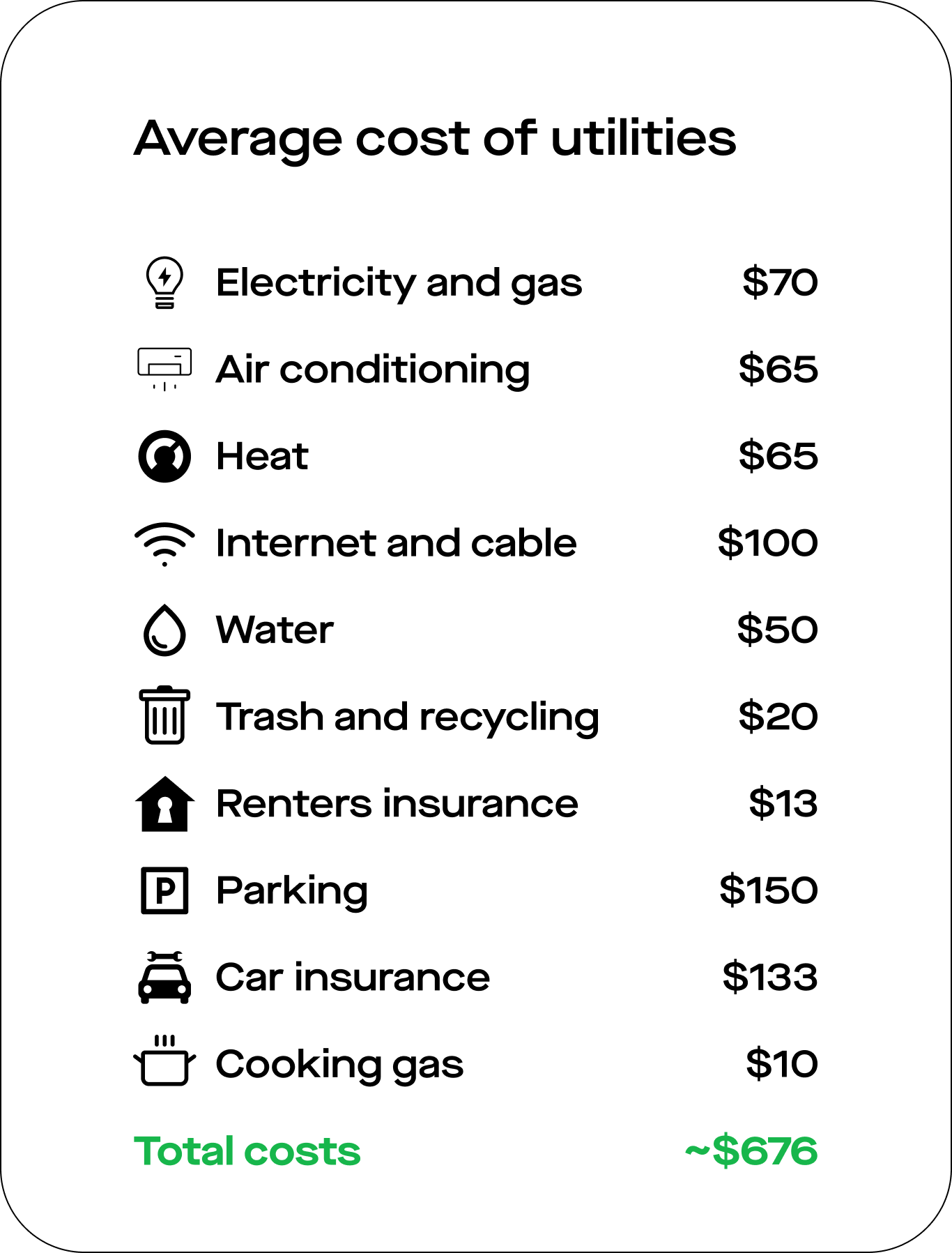
So, you’ve found the house of your dreams! Maybe it’s got that charming porch swing, or a kitchen island big enough for all your baking adventures. You’re picturing movie nights, garden parties, and finally, a place to call your own. Excitement is bubbling! But then, a tiny, almost whispersome thought creeps in: "What about the bills?"
Ah, yes. The utilities. They’re the silent partners in your home budget, always there, always needing their share. And let’s be honest, nobody likes a surprise, especially when it comes in the form of a hefty bill that makes your jaw drop faster than a dropped ice cream cone on a hot day.
Why Should You Even Care About Estimating Utilities?
Think of it like this: You wouldn't buy a car without asking about its gas mileage, right? Utilities are the "gas mileage" for your house. Knowing roughly what they'll cost isn't just about being financially responsible; it's about peace of mind and avoiding that dreaded
Must Read
Imagine setting up your budget for your new place. You've got your mortgage, groceries, internet, maybe even a fun fund for Friday night pizza. But then that first electric bill arrives, looking like it belongs to a small factory, not your cozy new home. Suddenly, your pizza fund is looking a little… bare. Ouch!
By taking a little time to estimate, you’re not just crunching numbers; you’re giving yourself a superpower. You're transforming from a wide-eyed newbie into a savvy homeowner who knows what to expect. It's like having a crystal ball, but for your monthly expenses! This superpower helps you make informed decisions, not just about your budget, but even about which house to choose.

How to Become a Utility Estimating Wizard
Don’t worry, you don’t need a wizard hat or a magic wand. Just a few simple steps and a dash of common sense!
1. Ask the Current Owners or Your Realtor
This is often the easiest and most direct route. Imagine asking the previous owner of a vintage arcade machine how much it costs to run. They'd know! Similarly, the folks currently living in the house (or their super-helpful realtor) often have the actual numbers. Ask for a year's worth of bills if possible. This gives you a great average, smoothing out those seasonal highs and lows.
A little caveat: Remember, their lifestyle might be different from yours. They might be a family of six who loves their A/C blasting all summer, while you might be a single person who's rarely home. Keep that in mind when you see the numbers!

2. Talk to the Utility Companies Directly
Many utility companies (electric, gas, water) can provide historical usage data for a specific address. They might not give you the exact dollar amounts (privacy, you know), but they can often share kilowatt-hours of electricity or therms of gas. With a little digging, you can find their current rates and do the math yourself. Think of yourself as a friendly detective, gathering clues!
3. Use Online Calculators & Estimators
There are tons of free online tools, both from utility providers and third-party sites, that can give you a ballpark figure. You’ll usually input details like the size of the house, age, type of heating, and your general usage habits. These are great starting points, but treat them like a friendly fortune teller – interesting, but not always 100% accurate. They're better for an initial hunch than a final verdict.
4. Consider the House's "Personality"
Every house has a personality, and some are just more… high-maintenance than others when it comes to utilities. Ask yourself:
- Size Matters: A 3,000 sq ft home will naturally cost more to heat and cool than a cozy 1,000 sq ft bungalow. It’s like heating a ballroom versus heating a shoebox – bigger spaces need more energy!
- Age & Insulation: An older house might be charming, but it could also be a bit of a sieve for heat or cool air if it has old windows or poor insulation. Think of it like wearing a sweater full of holes in winter – you'll need more energy to stay warm. Newer, energy-efficient homes often come with better insulation and windows, which can be a big money-saver.
- Appliances: Are the appliances brand new and energy-efficient, or are they relics from another era? That ancient fridge in the garage might be cool-looking, but it could be quietly eating your wallet with its energy demands.
- Your Lifestyle: This is a biggie! Are you someone who likes to keep the thermostat at 68°F year-round, or do you prefer your home to feel like a sauna in winter and an igloo in summer? How long are your showers? Do you do laundry every day? Are you running a gaming rig 24/7? Your personal habits play a huge role.
5. Chat with the Neighbors (If You Can!)
Once you’ve got a house under contract, and if you get the chance, a friendly chat with the neighbors can be incredibly insightful. They often live in similar homes and can give you a fantastic idea of what their bills look like. Sometimes, the best intel comes from Mrs. Henderson next door, who’s been living there for 30 years and knows everything!
The Takeaway
Estimating utilities isn't about being perfectly precise; it's about being prepared. It’s about empowering yourself with knowledge so that when those bills arrive, you can greet them with a calm nod, not a panicked gasp. Happy estimating, and may your utility bills be ever in your favor!