
How To Discipline An Employee For Rudeness

Okay, let's talk about something nobody really enjoys: dealing with rudeness at work. Imagine you're at the grocery store, right? And the cashier is just… snarky. Makes you feel small, doesn't it? That's exactly how your employees' rudeness can make customers (and other team members) feel. And happy customers (and a happy team!) are, you guessed it, vital for a successful business. So, buckling up because we're diving into how to handle it with grace (and a little bit of backbone).
Why Bother? Rudeness Isn't That Bad, Right?
Wrong! Think of rudeness like a leaky faucet. Drip, drip, drip… seemingly harmless at first, but eventually, it'll flood the whole bathroom! Unchecked rudeness breeds negativity, lowers morale, and can even lead to losing valuable customers. It’s like a virus that spreads. Nobody wants that, especially not in a professional environment. A civil workplace leads to higher productivity, better teamwork, and a more enjoyable atmosphere overall. Plus, let's be honest, happy employees are more likely to stick around!
Step 1: Observe and Document (Be a Detective, Not a Gossip!)
Before you go all "You're Fired!" you need solid evidence. It's not about hearsay. Think of it like this: You wouldn’t accuse your neighbor's dog of digging up your prize-winning roses without seeing it, would you? (Okay, maybe you would, but that's beside the point!) Keep a record of specific instances of rudeness. Who was involved? What exactly was said or done? What was the context? Dates and times are your best friends here. This documentation is crucial for fairness and consistency.
Must Read
Pro Tip: Focus on behavior, not personality. Say "John interrupted Sarah during the meeting and raised his voice," instead of "John is just a rude person." It's more objective and easier to address.
Step 2: Have a Private, Calm Conversation (Channel Your Inner Zen Master)
Bringing up issues in front of others is like airing your dirty laundry in public. Embarrassing and unproductive. Schedule a private meeting. Start by stating the purpose clearly and calmly. "John, I wanted to talk about some feedback I've received regarding your interactions with customers.” Avoid accusatory language. Use “I” statements. “I’ve noticed...” or "I've received reports that..." are good ways to start. Be specific and provide the examples you documented. Give the employee a chance to explain their perspective. There might be underlying issues you're unaware of – a bad day, personal problems, or even a misunderstanding.
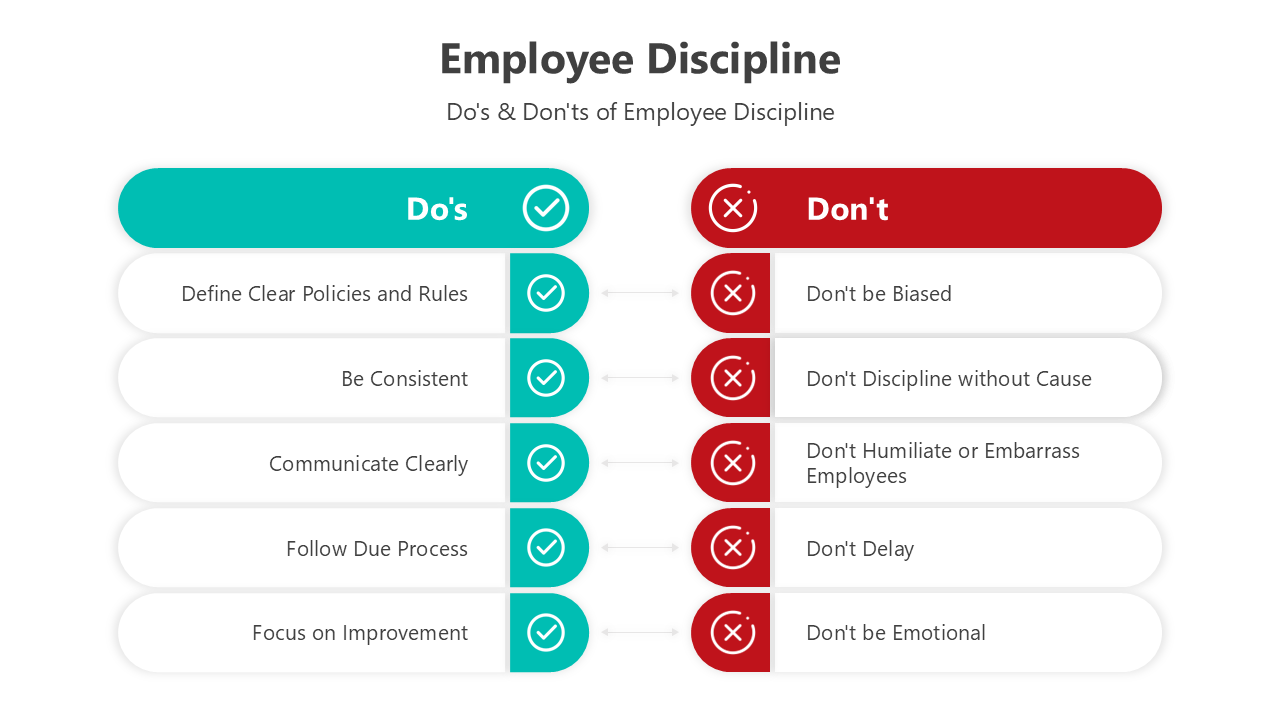
Listen actively and empathetically. Even if you disagree, understanding their perspective is key to finding a solution. It shows you value them as an individual, even if you don't approve of their behavior.
Step 3: Set Clear Expectations and Consequences (Draw the Line in the Sand)
Once you've heard their side of the story, clearly state your expectations for professional behavior. This isn't about being a dictator; it's about ensuring a respectful work environment. “Here at [Company Name], we value respectful communication with both customers and colleagues.” Explain the consequences of continued rudeness. This could range from further coaching and training to disciplinary action, depending on the severity and frequency of the behavior.
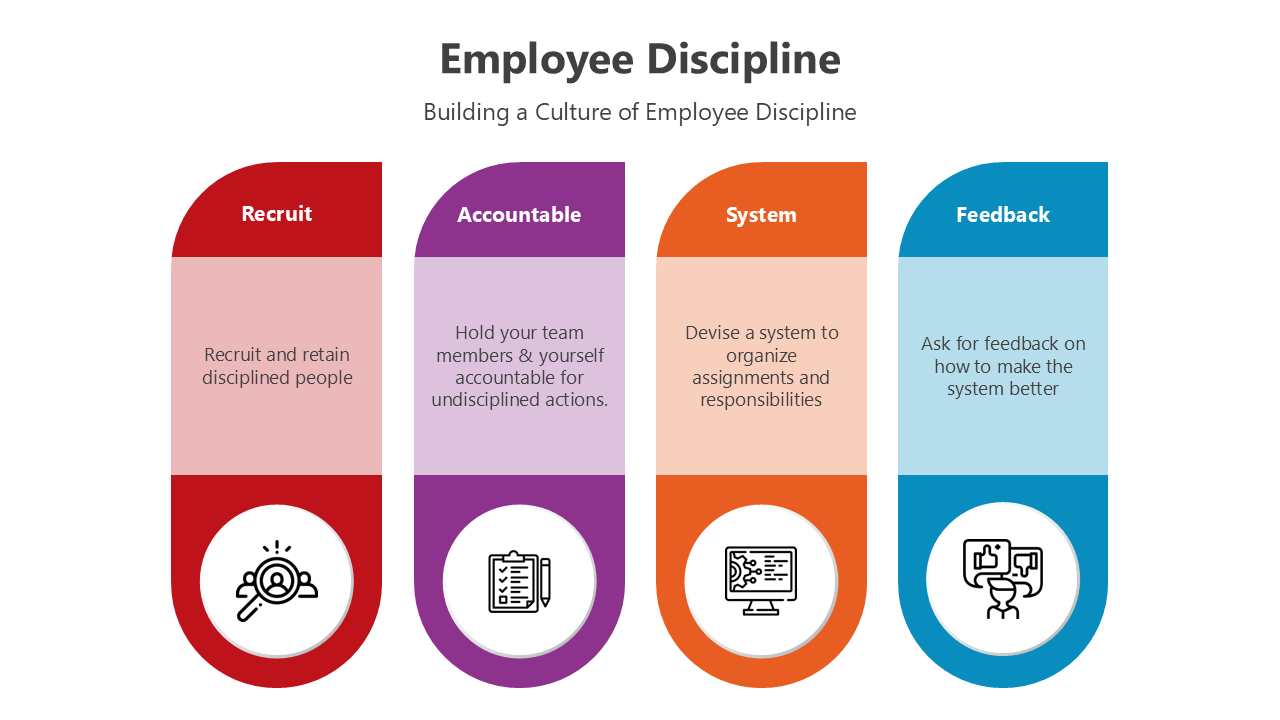
Think of it like setting boundaries with a toddler. "We don't hit. Hitting hurts others. If you hit again, you'll have a time-out." Clear, simple, and consistent. Make sure these expectations are documented and that the employee understands and agrees to them.
Step 4: Follow Up and Support (Be a Coach, Not Just a Critic)
Discipline shouldn't be a one-and-done thing. Check in with the employee regularly to see how they're doing. Offer support and resources, such as conflict resolution training or coaching on communication skills. Positive reinforcement is powerful! Acknowledge and praise improvements in behavior. Did they handle a difficult customer with grace? Let them know you noticed! It shows you're not just looking for problems, but actively supporting their growth.
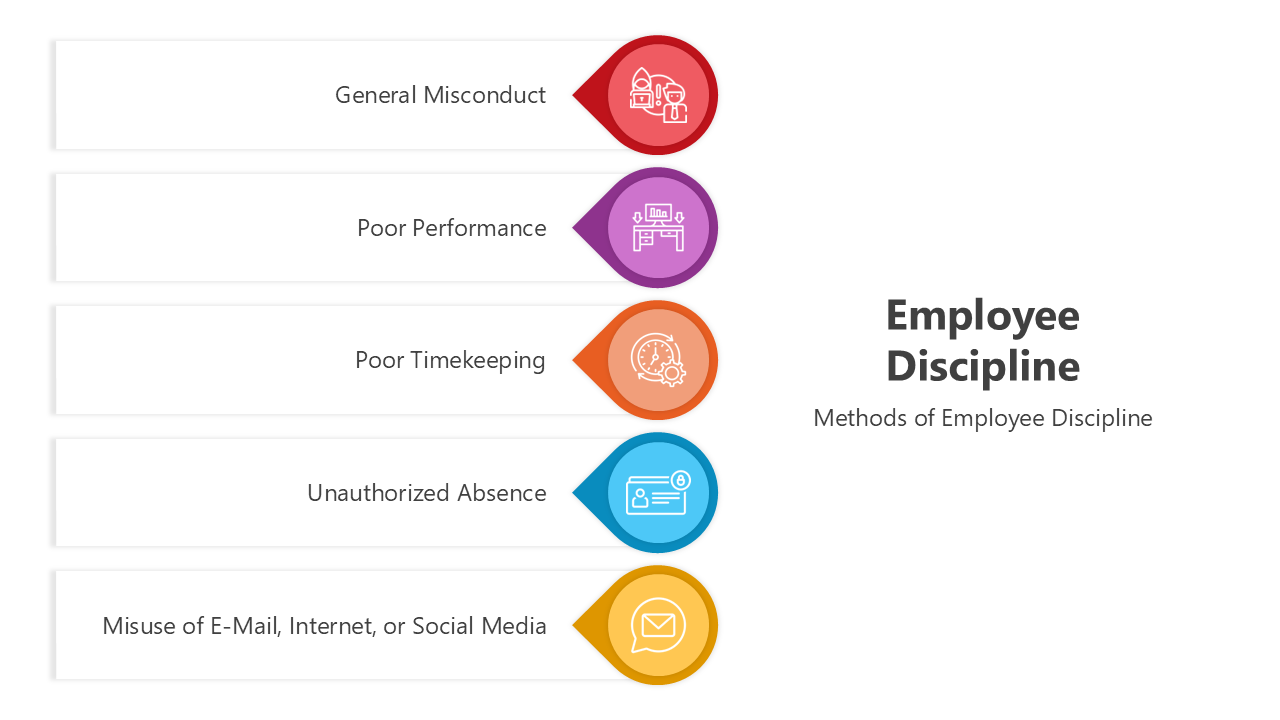
Remember: The goal isn't to punish, but to correct and improve behavior. Invest in your employees' development, and you'll see a positive impact on your entire team.
Step 5: Consistency is Key (Treat Everyone Fairly)
Imagine you're a kid and your sibling gets away with something you get punished for. Unfair, right? The same principle applies in the workplace. Enforce the rules consistently for everyone, regardless of their position or personal relationship with you. Favoritism breeds resentment and undermines your authority. A clear and consistently enforced policy shows that you value fairness and respect in the workplace.
Dealing with rudeness is never fun, but by following these steps, you can create a more positive and productive work environment for everyone. Remember, a little patience, understanding, and consistent action can go a long way in transforming a grumpy employee into a valuable team member. Now go forth and spread the good vibes!
