How To Disassemble Bissell Crosswave Pet Pro

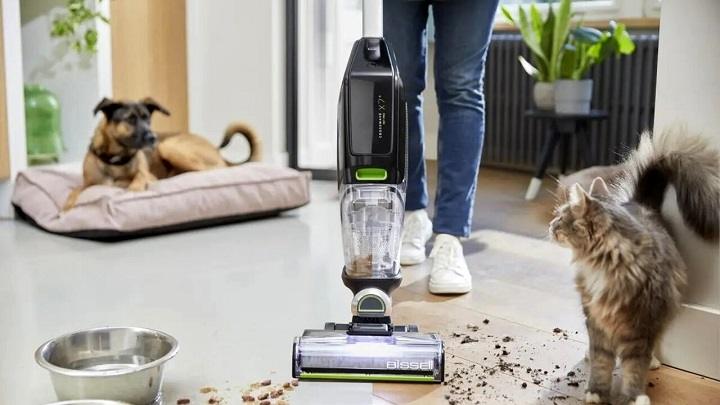
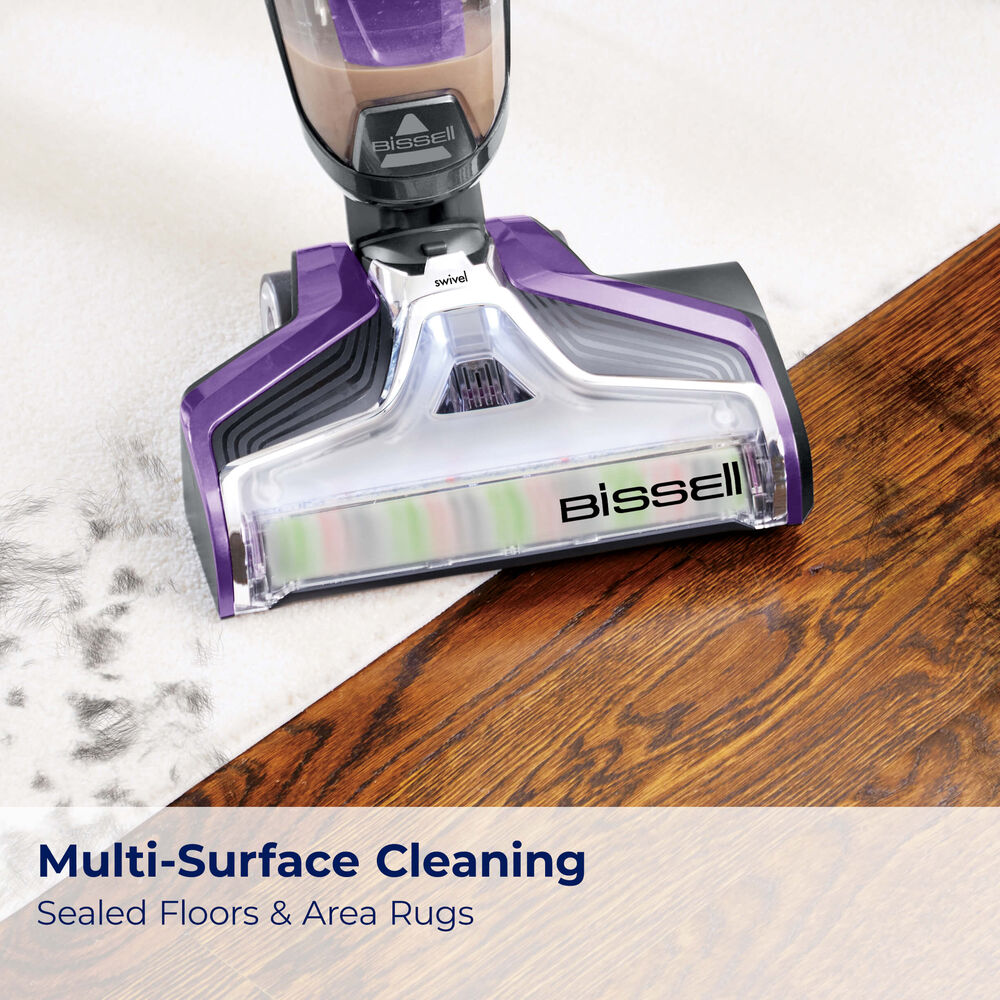
The Bissell Crosswave Pet Pro: it's not just a cleaning machine, it's a potential goldmine of parts! Okay, maybe that's a bit dramatic, but hear us out. This popular all-in-one cleaner is practically ubiquitous in homes with furry friends, and when its lifespan eventually ends (as all appliances do), instead of tossing it straight to the curb, consider a different approach: disassembly! You might be surprised at the creative opportunities that await.
Why would you want to take apart a broken vacuum cleaner? The benefits are surprisingly diverse, especially for artists, hobbyists, and anyone with a curious mind. For artists, the disassembled Crosswave can provide a treasure trove of unique materials. Think about using the plastic casing for sculpting bases, the motor for kinetic art projects, or the various tubes and nozzles for creating abstract installations. The possibilities are truly endless!
Hobbyists, especially those interested in robotics or electronics, will find a wealth of usable components. The motor, wiring, and various sensors could be repurposed for DIY projects. Imagine building a mini-robot vacuum, a water pump system for a miniature garden, or even just learning about basic circuitry by tracing the Crosswave's internal connections. And for the casually curious, disassembly is simply a fantastic way to understand how things work. It's hands-on learning at its finest!
Must Read
So, what kind of art, projects, or learning experiences can you create? Consider these examples: A steampunk-inspired sculpture using the Crosswave's handle and various internal components. A macro photography series focusing on the intricate details of the motor and gears. A fully functional, albeit tiny, water fountain powered by the repurposed Crosswave motor. You could even create abstract art pieces using melted and reshaped plastic from the casing. Or, if you're feeling particularly adventurous, try building a small-scale wind turbine using the motor and some carefully crafted blades!

Ready to try it at home? Here are a few tips: First, and most importantly, unplug the device! Safety first. Gather your tools: screwdrivers (various sizes, including Phillips and flathead), pliers, and perhaps a pair of wire cutters. Take photos as you go! This will help you remember where things went if you want to reassemble it later (or just understand the original construction). Work in a well-lit area with plenty of space. And finally, be patient! Disassembly can be a bit fiddly, but the reward of discovering hidden components and potential artistic materials is well worth the effort.
Ultimately, disassembling a Bissell Crosswave Pet Pro isn't just about taking something apart; it's about unlocking your creativity, satisfying your curiosity, and finding beauty in the unexpected. It’s a chance to repurpose, recycle, and learn something new. It's an adventure in engineering, a creative challenge, and a whole lot of fun. So, grab your tools, unleash your inner artist or engineer, and prepare to be amazed at what you can create from something you might have otherwise discarded!