
How To Deactivate First Alert Smoke Alarm
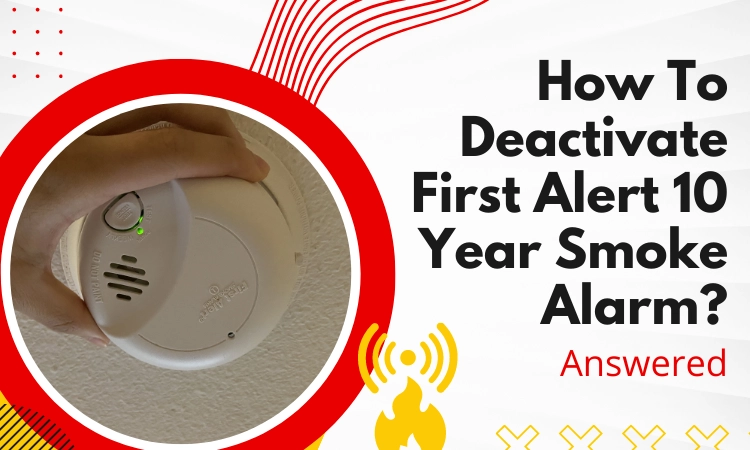
Ever been jolted awake by that ear-splitting, heart-stopping shriek that can only mean one thing? No, not a banshee – we’re talking about your First Alert smoke alarm! Whether it’s 3 AM, a slightly-too-crispy piece of toast, or an overzealous shower, that blare can turn any peaceful moment into a minor emergency. But what if I told you that mastering this household alarm could bring you a little joy? My friend, taking control of your home is incredibly empowering, and knowing how to silence that siren is a superpower you absolutely need!
The Dreaded Chirp and the Full-Blown Blare: Understanding Your Foe
First things first, let’s distinguish between the two main types of alarm calls. There's the persistent, infuriating chirp, chirp, chirp – usually a sign of a low battery (or, annoyingly, an alarm nearing its end-of-life). Then there's the full-on, panic-inducing blare, triggered by actual smoke, excessive steam, or even dust. While we always want to treat the blare with caution (safety first, always!), sometimes it's just your overly enthusiastic appliance. And that's where your newfound superhero skills come in!
Imagine this: you're trying to enjoy a quiet evening, maybe a good book, or a movie. Suddenly, CHIRP! You jump. Then, five minutes later, CHIRP! Again. Doesn't that just drain the fun right out of everything? Learning to quickly deactivate a false alarm isn't just about silence; it's about reclaiming your peace, your serenity, and yes, your joy!
Must Read
Temporary Silence: The "Hush" Button Hero
Many modern First Alert alarms come with a beautiful, magical feature: the "Hush" button (sometimes labeled "Test/Silence"). This is your first line of defense against a false alarm.
- If your alarm is blaring due to, say, a smoking pan or a steamy bathroom, simply press this button.
- It should silence the alarm for several minutes, giving you time to air out the room without having to wrestle with the unit immediately.
- Remember: The "Hush" feature is temporary. If the irritant persists, it will likely blare again. It's a pause, not a permanent fix!
The Big Guns: Full Deactivation for False Alarms or Maintenance
The "Hush" button gave you a breather, but now for the root cause. Or perhaps the incessant low-battery chirp has pushed you to the brink. Here’s how to truly deactivate a First Alert smoke alarm for battery replacement, cleaning, or a persistent false alarm (always confirm no real danger first!).

Safety first! Use a sturdy step stool or ladder for ceiling alarms. No heroic acrobatics, just common sense.
For Battery-Only First Alert Alarms:
These are the simplest!
![How To Deactivate First Alert 10 Year Smoke Alarm? [Answered] – Fire](https://firesafetysupport.com/wp-content/uploads/2023/03/How-to-Turn-Off-First-Alert-Smoke-Alarm-1024x683.jpg)
- Locate the battery compartment: It’s usually on the side or back of the unit. You might need to slide a cover or twist a small latch.
- Open it up: A screwdriver might be required for some older models, but most have a tool-free compartment.
- Remove the battery: Carefully pull out the 9-volt or AA batteries. The alarm goes silent. Ah, sweet relief!
- Replace and Re-activate: Once you've dealt with the issue (e.g., replaced the battery with a fresh one), snap the new battery in, close the compartment, and reinstall the alarm.
For Hardwired First Alert Alarms (with Battery Backup):
These require a couple more steps, as they draw power from your home’s electrical system, with a battery for backup during power outages. Don't worry, it's still super manageable!
- Twist and Remove from Mount: This is the crucial first step. Most First Alert hardwired units attach to a mounting bracket with a simple twist. Gently twist the alarm counter-clockwise to detach it from the bracket. It will dangle by its wire connector.
- Disconnect the Power Connector: You’ll see a small plastic plug connecting the alarm to your home's wiring. Squeeze the connector clips (if present) and pull apart. The alarm is now fully disconnected.
- Remove the Backup Battery: Just like with the battery-only units, open the battery compartment and remove the backup battery (usually a 9-volt).
- Silence achieved! The alarm is deactivated. Bask in the silence.
- Replace and Re-activate: Once you’ve done your maintenance (e.g., cleaned the unit, replaced the backup battery), reverse the steps: insert the new battery, reconnect the power plug, and twist the alarm clockwise back onto its mounting bracket until it clicks securely.
The Joy of Control and the Sound of Silence
See? Not so scary! Temporarily deactivating your First Alert smoke alarm isn't about ignoring safety; it's about intelligent problem-solving. It's taking command of your living space, ensuring minor inconveniences don't escalate. Think of the peaceful mornings, undisturbed movie nights, and the sheer satisfaction of confidently handling a common household hiccup.

This small skill contributes to calm and competence. It’s about building confidence, one chirping alarm at a time. Each time you silence a rogue alarm, you’re not just stopping a noise; you’re telling yourself, “I got this!” That feeling, my friend, is priceless.
Go forth, armed with new knowledge! Embrace the power of knowing how your home works. A whole world of practical skills awaits, ready to turn frustrations into triumphs. What other mysteries are you ready to conquer? Dive in, learn more, and make your living space truly yours – peaceful, functional, and filled with the quiet joy of being in control. You've got this!
