
How To Create A Budget For A Business
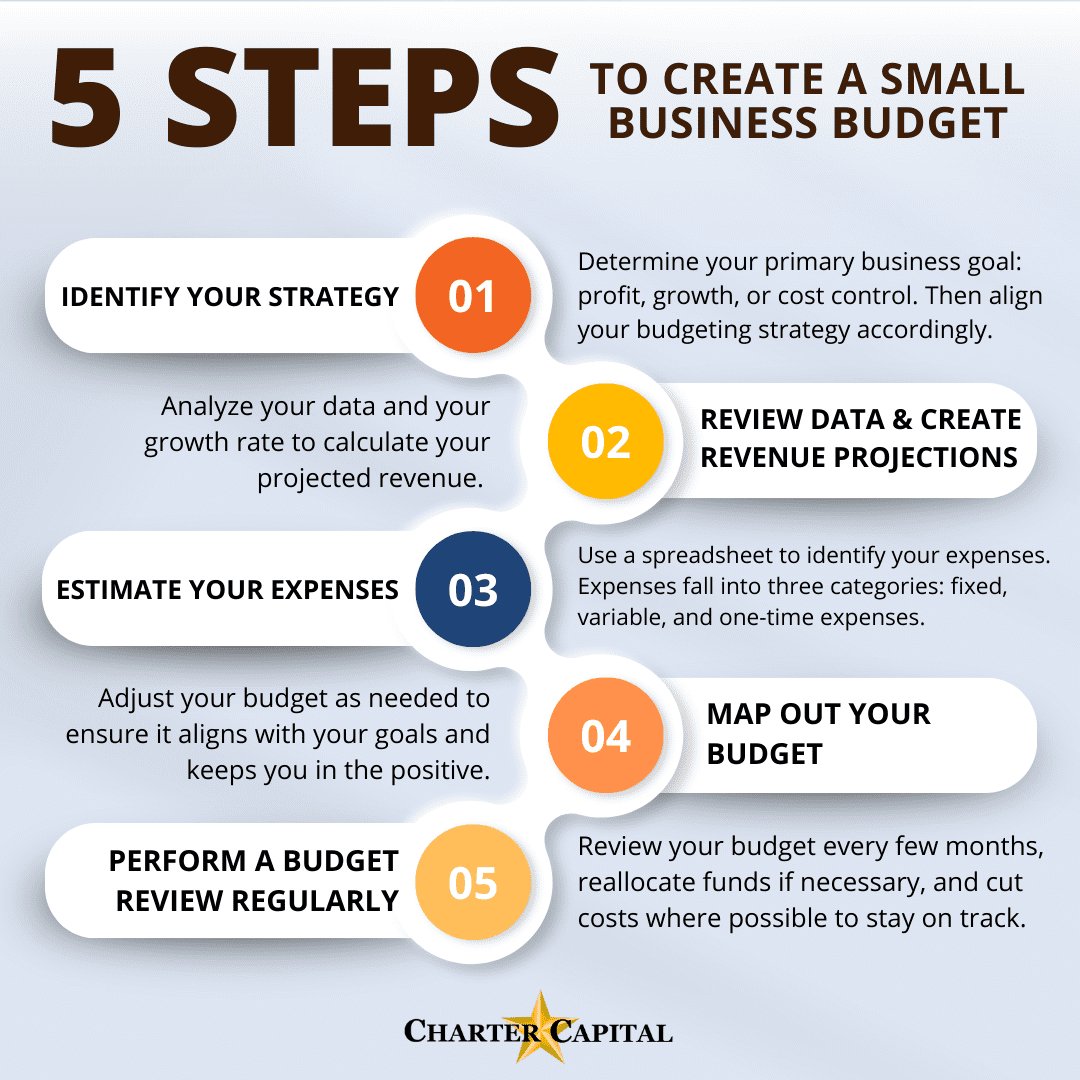
Alright, friends, gather 'round! We're about to tackle a topic that usually makes people's eyes glaze over faster than a donut on a hot day: creating a budget for your business. But hold on! Before you run screaming for the hills, hear me out. My unpopular opinion is this: budgeting can actually be... fun?
Yes, you read that right. Fun! We're not talking about spreadsheets so dense they could double as a brick wall. We're talking about giving your business money a clear roadmap, like a treasure map but for cash. Let's dive into making your business budget less "ugh" and more "aha!"
Step 1: Find Your Money Magic (Your Income)
First things first, let's figure out where the gold is coming from. This is the fun part, often called revenue. Think about all the ways money flows into your business. Sales of your awesome products? Services you expertly provide? That secret stash of ancient coins you found in the office wall? (Okay, maybe not that last one.)
Must Read
List it all out. Be honest. Is it consistent every month? Does it fluctuate like a rollercoaster? Knowing your incoming cash flow is like checking the weather before a big trip. You need to know if you're expecting sunshine or a delightful drizzle of dollars.
Unpopular Opinion #1: Knowing your income isn't bragging; it's simply acknowledging your business's superpower!
Step 2: Hunt Down Your Money Munchers (Your Expenses)
Now, for the slightly less glamorous but equally important part: where does all that lovely money go? These are your expenses. And trust me, they love to multiply when you're not looking. We're talking rent, salaries, utilities, marketing, coffee for the team (essential!), subscriptions to those tools you swear you use, and that emergency chocolate fund.
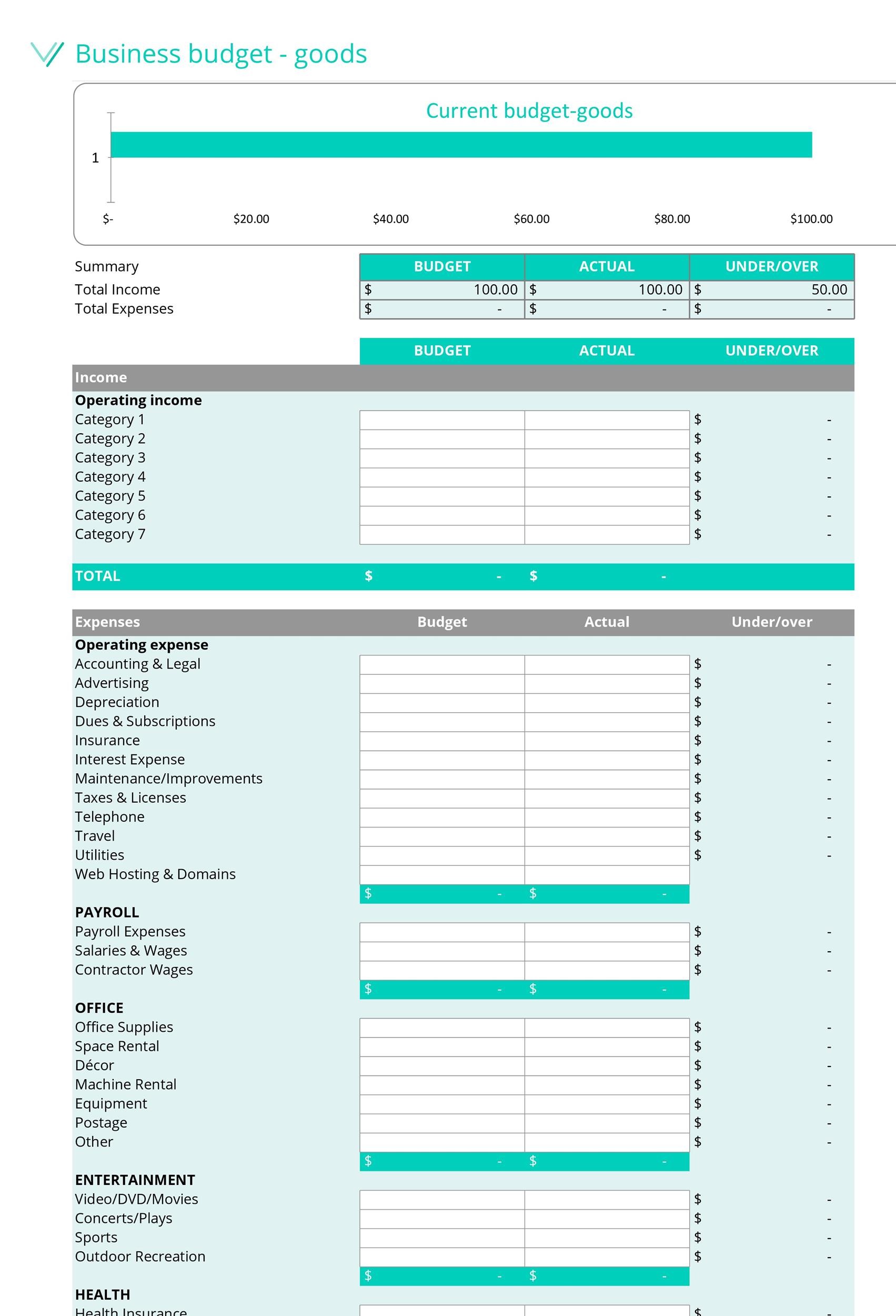
Grab your magnifying glass, because it's time to play money detective. Go through your bank statements, credit card bills, and receipt pile. Don't be shy. Every little penny counts. Divide them into two camps:
- Fixed Expenses: These are the reliable pals who show up every month, like rent or insurance. They don't change much.
- Variable Expenses: These are the wild cards. They might be different each month, like marketing spend or supplies. Think of them as the adventurous ones.
List them all. Every single one. Even that monthly subscription to "Squirrel Cam Live" if it's a business expense (we're not judging!).
Step 3: Give Your Money Munchers Proper Names (Categorize)
Once you've hunted down all your expenses, don't just leave them in a messy pile. Give them some order! Group similar items together. All your marketing costs go here. All your office supplies go there. This is called categorization. It makes everything much easier to understand later.
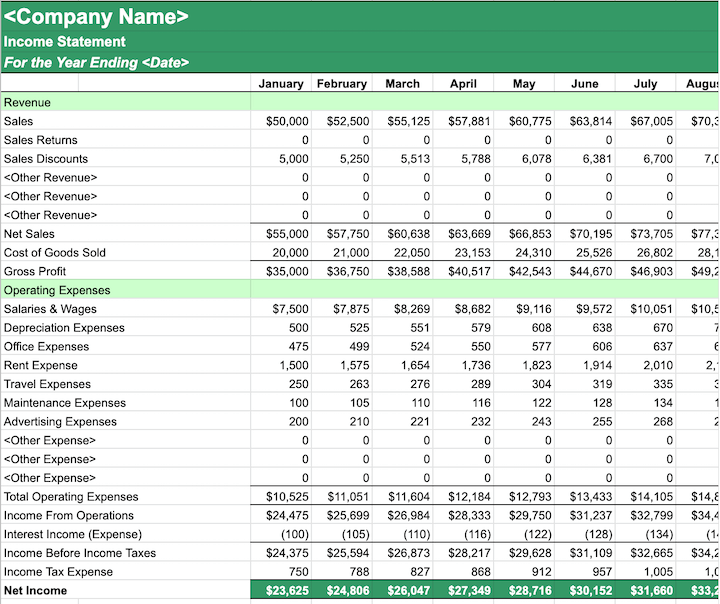
Think of it like organizing your sock drawer. You wouldn't just throw all your socks in there willy-nilly, would you? (Okay, maybe some of us do, but let's pretend for the sake of the budget.)
Unpopular Opinion #2: Categorizing your expenses is like giving your money a filing system. It's less "boring paperwork" and more "organized chaos, but in a good way."
Step 4: Dream Big and Allocate Your Dough (Setting Goals)
Now for the really empowering part! You know what's coming in and what's going out. It's time to tell your money what to do. This is where you set your budget allocations and financial goals.
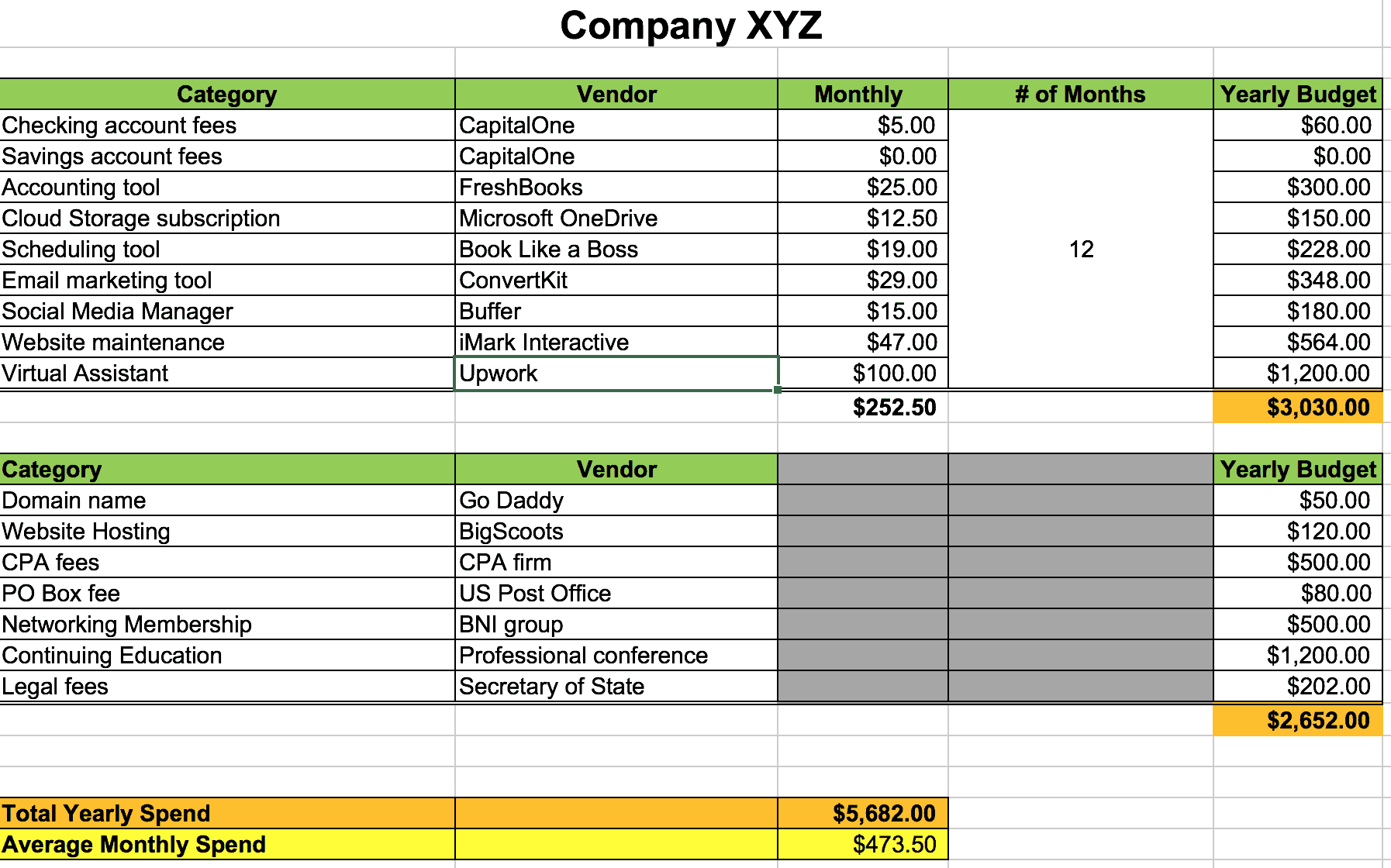
Do you want to save up for a shiny new piece of equipment? Launch a new product? Hire another amazing team member? Pay yourself a well-deserved bonus? This is where you consciously decide how much of your incoming money will be used for each expense and each goal.
It's not about cutting everything fun. It's about making sure your money is working for your business's future, not just disappearing into the ether. Give every dollar a job. Seriously, tell it, "You, dollar, are going towards marketing! And you, other dollar, are saving for that epic new coffee machine!"
Step 5: Review and Re-Jig (It's a Living Document)
Here's another big, fat unpopular opinion: a budget is not a one-and-done deal. It's not etched in stone like an ancient tablet. Your business changes. The market changes. Your needs change. Your budget should too!

Make it a habit to review your budget regularly. Monthly is ideal. Compare what you planned to spend versus what you actually spent. Did you go over in one area? Under in another? That's perfectly fine! Adjust, adapt, and learn. It’s like tending a garden; you nurture it, trim it, and help it grow.
Unpopular Opinion #3: A flexible budget isn't a failed budget; it's a smart, responsive budget! Embrace the re-jigging!
So there you have it! Creating a budget for your business doesn't have to be a dreadful chore. Think of it as empowering yourself with financial knowledge. It's about taking control, making informed decisions, and guiding your business towards its grandest dreams. Go forth and budget fearlessly, you magnificent money maestro!