
How To Clean Lion's Mane Mushroom
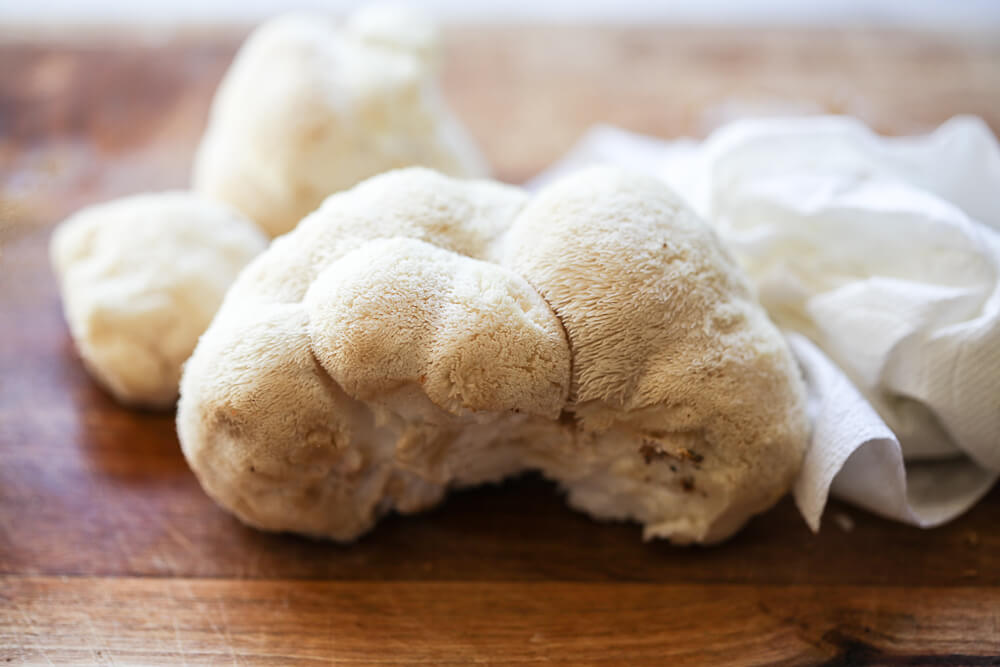
Lion’s Mane. Hericium erinaceus. Monkey Head Mushroom. Whatever you call it, this fascinating fungus is having a moment. From boosting brainpower (allegedly, like that next-level matcha latte) to adding a unique texture to your culinary creations, Lion's Mane is popping up everywhere. But before you can unlock its potential, you need to know how to clean it properly. Think of it as giving your prized, shaggy friend a little spa day.
Don't worry, it's not as intimidating as it looks. Forget scrubbing and soaking. We're going for gentle and effective. Here’s the lowdown on keeping your Lion’s Mane pristine.
The Gentle Approach: Less is More
Unlike some earthier mushrooms (portobellos, we're looking at you), Lion's Mane is a delicate creature. It's like that vintage silk scarf you inherited – handle with care! The key is to avoid excessive water. These mushrooms are sponges, and too much moisture will lead to a soggy, flavorless mess. Imagine trying to cook a water balloon – not ideal.
Must Read
The Golden Rule: Only clean your Lion's Mane right before you're ready to cook it. This prevents it from sitting around damp and developing a less-than-desirable texture.
Tools of the Trade
You don’t need a fancy arsenal. Here’s your minimalist Lion's Mane cleaning toolkit:
- A soft brush: Think pastry brush or a dedicated mushroom brush. Soft bristles are crucial.
- A damp paper towel: Just slightly moistened, not dripping.
- (Optional) A small paring knife: For any stubborn bits.
Step-by-Step: From Forest Floor to Feast
Ready to get started? Here's the step-by-step process for cleaning your Lion’s Mane:
- Inspect: Give your mushroom a good once-over. Look for any obvious dirt, debris, or discolored spots.
- Brush Away: Gently brush the entire surface of the Lion's Mane. Pay close attention to the crevices and "teeth" where dirt can hide. Use a downward motion to avoid pushing debris further in.
- Damp Wipe: For any lingering dirt, lightly dab with your damp paper towel. Avoid rubbing vigorously. Think of it as blotting away imperfections.
- Trim (Optional): If you encounter any particularly stubborn bits or slightly damaged areas, use your paring knife to carefully trim them away.
- Pat Dry (If Needed): If you've used a damp cloth, gently pat the mushroom dry with a clean paper towel.
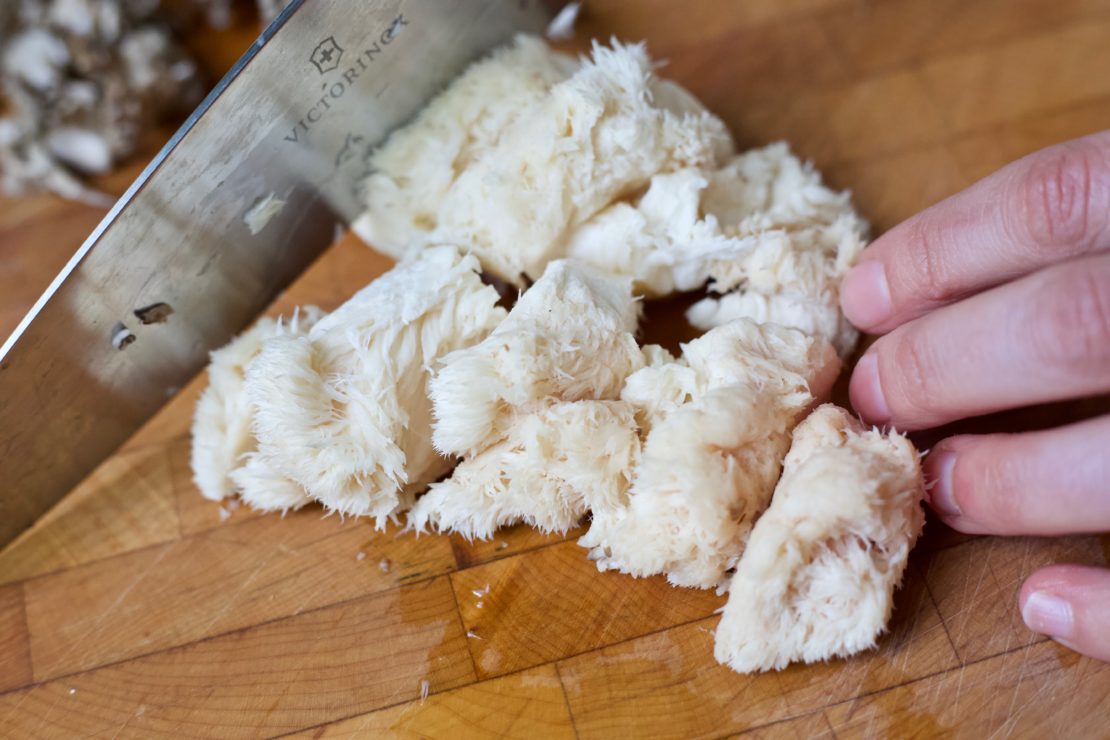
Pro Tip: For very large Lion’s Mane mushrooms, you might want to break them into smaller, more manageable pieces before cleaning. This makes the process easier and ensures you get into all those nooks and crannies.

What About Soaking?
Generally, soaking Lion's Mane is a no-no. However, if your mushroom is truly caked in dirt (perhaps you foraged it yourself after a particularly muddy day), you can try a very quick dip. We're talking a flash rinse under cold running water, followed by immediate and thorough drying. Remember, time is of the essence!
Storing Your Cleaned Lion's Mane
Ideally, you'll cook your Lion's Mane immediately after cleaning. However, if you need to store it, wrap it loosely in a paper towel and place it in a breathable container (like a mushroom storage bag or a container with a slightly open lid) in the refrigerator. Use it within a day or two for best results.

Storage Secret: Avoid storing Lion's Mane in a sealed plastic bag. This traps moisture and can lead to spoilage.
Beyond the Clean: Culinary Inspiration
Now that your Lion's Mane is squeaky clean, it's time to unleash its culinary potential! Sauté it with butter and garlic, add it to stir-fries, or even grill it for a "crab cake" style experience. The possibilities are endless.
Food For Thought: Think about how the simple act of cleaning something connects us to the food we eat. From carefully washing a delicate mushroom to preparing a complex dish, it's all about appreciation and intention. Maybe that's the real brain boost Lion's Mane offers: a moment to slow down and savor the process. Kind of like that perfect cup of matcha, right?
