How To Check Septic System
Ah, the humble septic system. It’s the unsung hero beneath many rural or suburban homes, quietly processing the less-than-glamorous aspects of daily life. While few would proclaim a love for thinking about wastewater, there's undeniable satisfaction in knowing your home's hidden infrastructure is in tip-top shape. It’s like having a secret, underground butler handling all the dirty work – and a little attention keeps that butler happy and humming for years.
So, why bother peering into the murky depths? A well-maintained septic system isn't just about avoiding a messy, costly catastrophe; it’s about ensuring the health and comfort of your home. It protects property value, prevents environmental contamination, and keeps your toilets flushing and drains clearing. Think of it as preventative medicine for your plumbing – a small check today can prevent a very large headache (and bill!) tomorrow.
You use your septic system daily with every shower, flush, and laundry load. When things are going well, you don't notice it. But when it's struggling, you will. Common examples of a system crying for help include sluggish drains, toilet backups, or suspiciously lush, green patches of grass appearing over your drain field (a sign of too much moisture). Ignoring these signs is akin to ignoring a check engine light – eventually, you’re headed for a breakdown.
Must Read
Now, for the fun part: becoming a septic system sleuth! No magnifying glass needed, just a keen eye and a nose. Here are practical tips to effectively check your system and enjoy that sweet peace of mind:
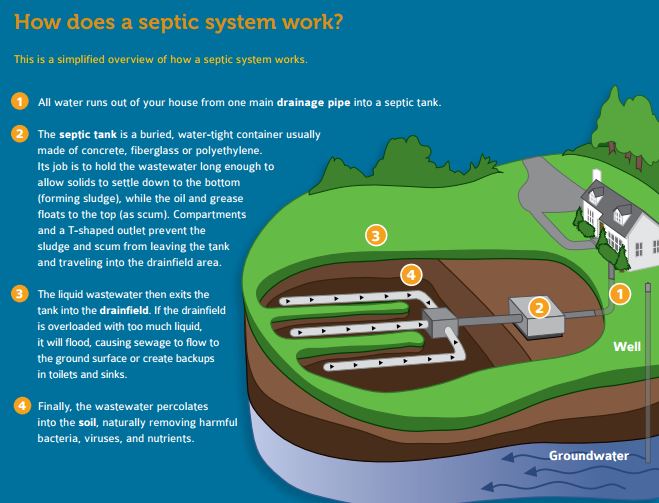
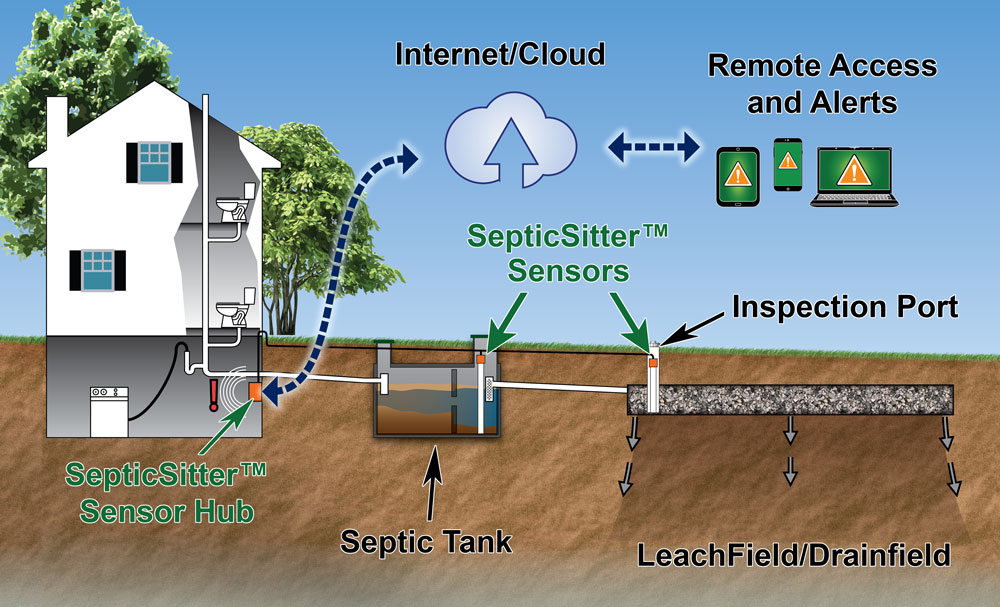
- Listen and Look: Start inside. Are toilets gurgling after a flush? Are multiple drains sluggish? Outside, walk your drain field. Look for unusual wet spots, standing water, or unnaturally vibrant grass. Check for invading tree roots.
- Follow Your Nose: A healthy septic system should be practically odorless. If you detect foul odors – inside (near drains) or outside (over your tank/drain field) – it’s a major red flag. Your nose knows!
- Know Your History: When was your tank last pumped? Most systems need pumping every 3-5 years. Keep a record; if unsure, it’s probably time to schedule a pump-out and inspection.
- Conserve Water: Less water going down means less stress. Shorter showers, full laundry loads, and fixing leaks help your system work more efficiently.
- What NOT to Flush: Your septic system is not a trash can. Only human waste and toilet paper. No wipes (even "flushable"), feminine products, paper towels, harsh chemicals, or grease. These clog pipes and kill beneficial bacteria.
- Professional Eye: While these tips empower you, a professional inspection every few years is invaluable. They spot issues you might miss, ensuring everything functions correctly.
By regularly performing these simple checks and following good maintenance practices, you're actively ensuring the longevity and efficiency of one of your home’s most vital, yet unseen, systems. And that, dear homeowner, is something worth celebrating!