How To Check Safety Of A Neighborhood
Ever found yourself scrolling through listings for a new apartment, planning a weekend trip, or even just wondering about that cool-looking park across town? Beyond the pretty pictures and glowing reviews, there’s often a quiet little question that pops into our heads: “Is it safe?” It’s a perfectly natural human instinct, and thankfully, figuring out the safety vibe of a neighborhood isn't some secret spy mission. In fact, it can be a really fun and empowering journey of discovery!
Think of checking neighborhood safety as becoming a bit of a local detective, but for positive outcomes. The main purpose here isn't to be paranoid, but to be informed and confident. By understanding how to assess a neighborhood, you gain the superpower of making better decisions – whether it’s choosing the perfect place to live, finding a great school for your kids, or simply knowing where you can enjoy a peaceful evening stroll. The benefits are clear: reduced stress, enhanced peace of mind, and ultimately, a better quality of life because you're in an environment that truly feels right for you.
This skill isn't just for big life changes; it has practical applications everywhere. For instance, urban planning students might use these methods to understand community dynamics and design safer public spaces. In daily life, it’s invaluable when you’re looking at an AirBnB in an unfamiliar city, deciding if a particular route is good for your daily commute, or even picking a new coffee shop to frequent. Even something as simple as allowing your child to walk to a friend's house a few blocks away benefits from a parent having a solid grasp of the local environment's safety profile. It’s all about building a comprehensive mental map of your surroundings.
Must Read
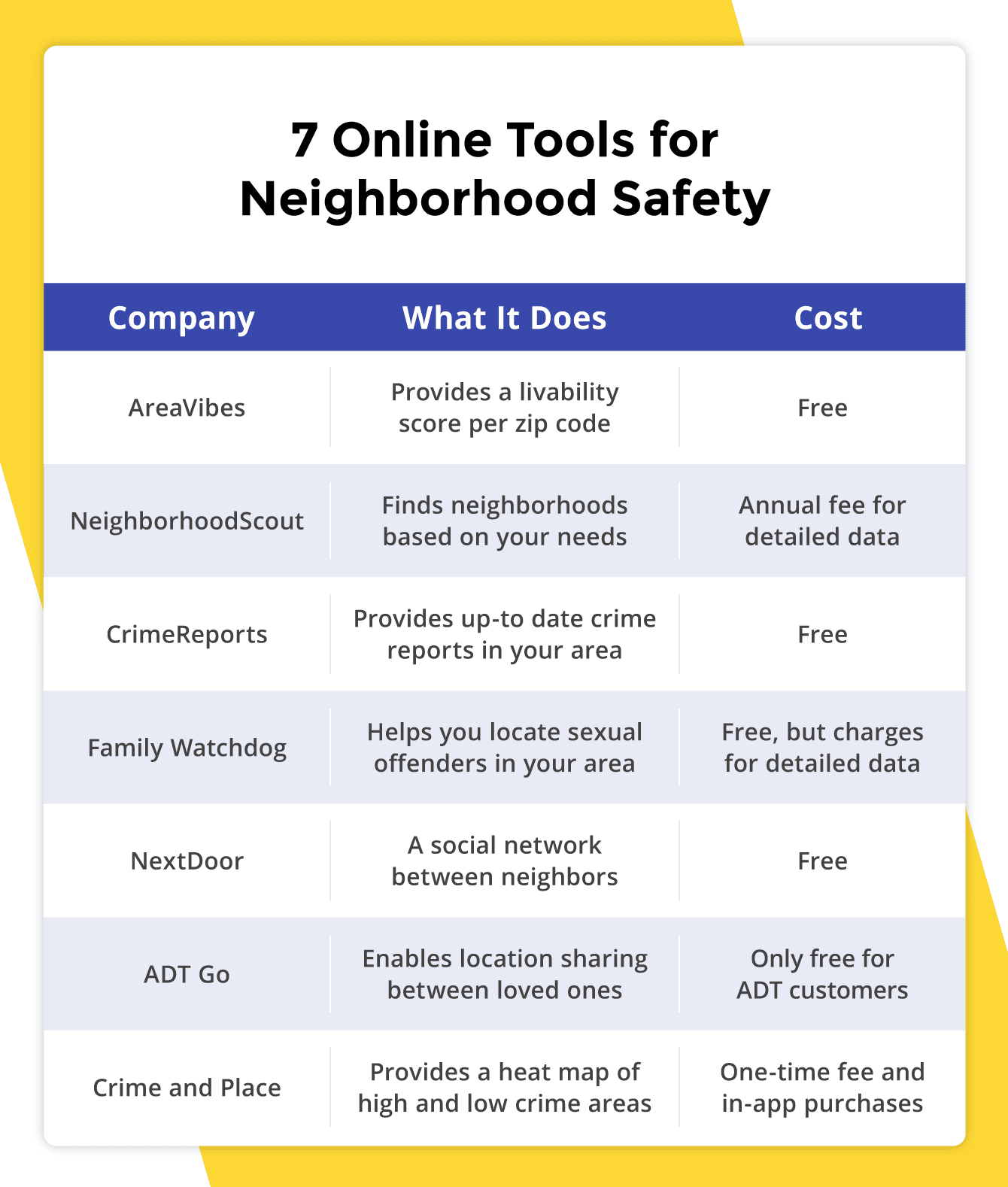
So, how do we embark on this curious quest? Start with some easy online sleuthing. Many local police departments have websites with interactive crime maps and statistics, offering a factual baseline. Websites like NeighborhoodScout or City-Data can also provide a wealth of demographic and safety information. Don't forget Google Street View – it’s a fantastic way to virtually "walk" the streets, observe general upkeep, lighting, and the presence of local businesses. Beyond stats, dive into community forums like Nextdoor or local Reddit groups; residents often share invaluable anecdotal insights. Local news archives can also paint a picture of past events and ongoing community efforts.
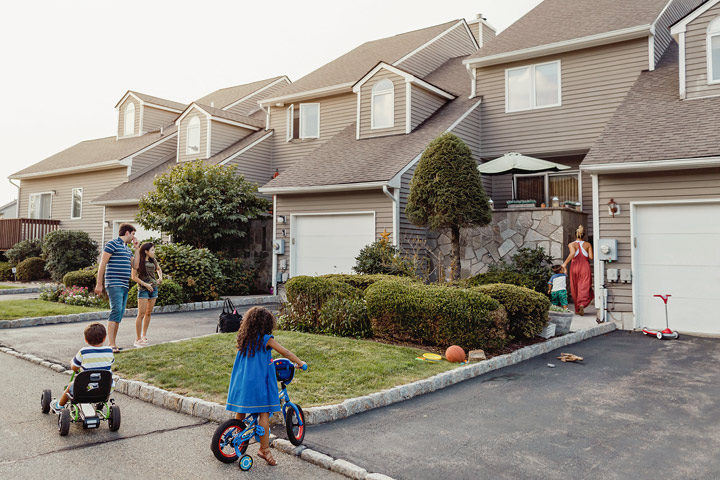
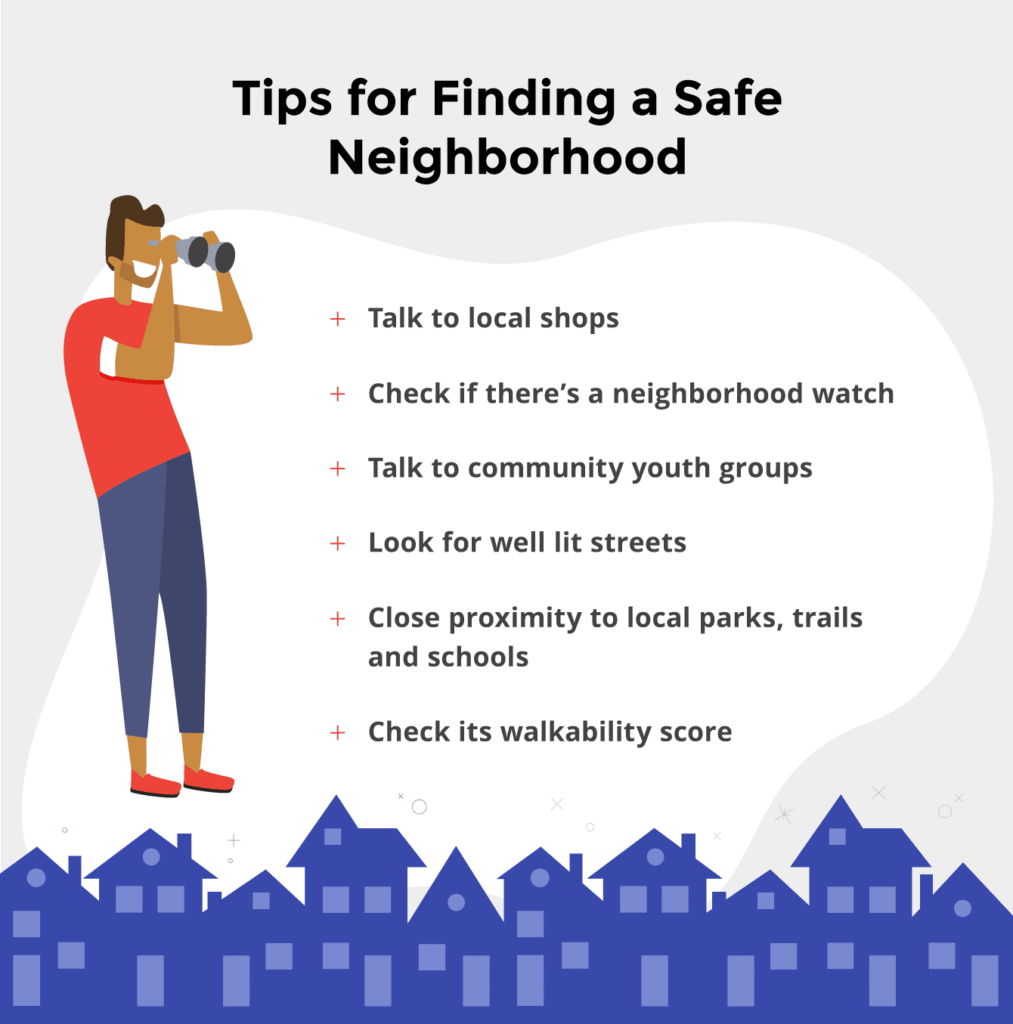
Once you’ve done your digital groundwork, it’s time for some boots-on-the-ground exploration. The most telling tip is to visit the neighborhood at different times. What’s it like during the bustling daytime versus a quiet evening? How about on a weekday morning compared to a Saturday night? Look for signs of community care: well-maintained homes, clean parks, and active public spaces often indicate a strong, engaged community. Pop into a local coffee shop or grocery store; observing interactions and even striking up a conversation with a local can give you an authentic feel. Pay attention to street lighting, pedestrian traffic, and even something as subtle as the soundscape. Ultimately, trust your gut feeling – how do you feel when you’re there? This blend of hard data and personal intuition is your best guide to unlocking the secrets of a neighborhood's safety.