How To Check Carbon Monoxide Poisoning
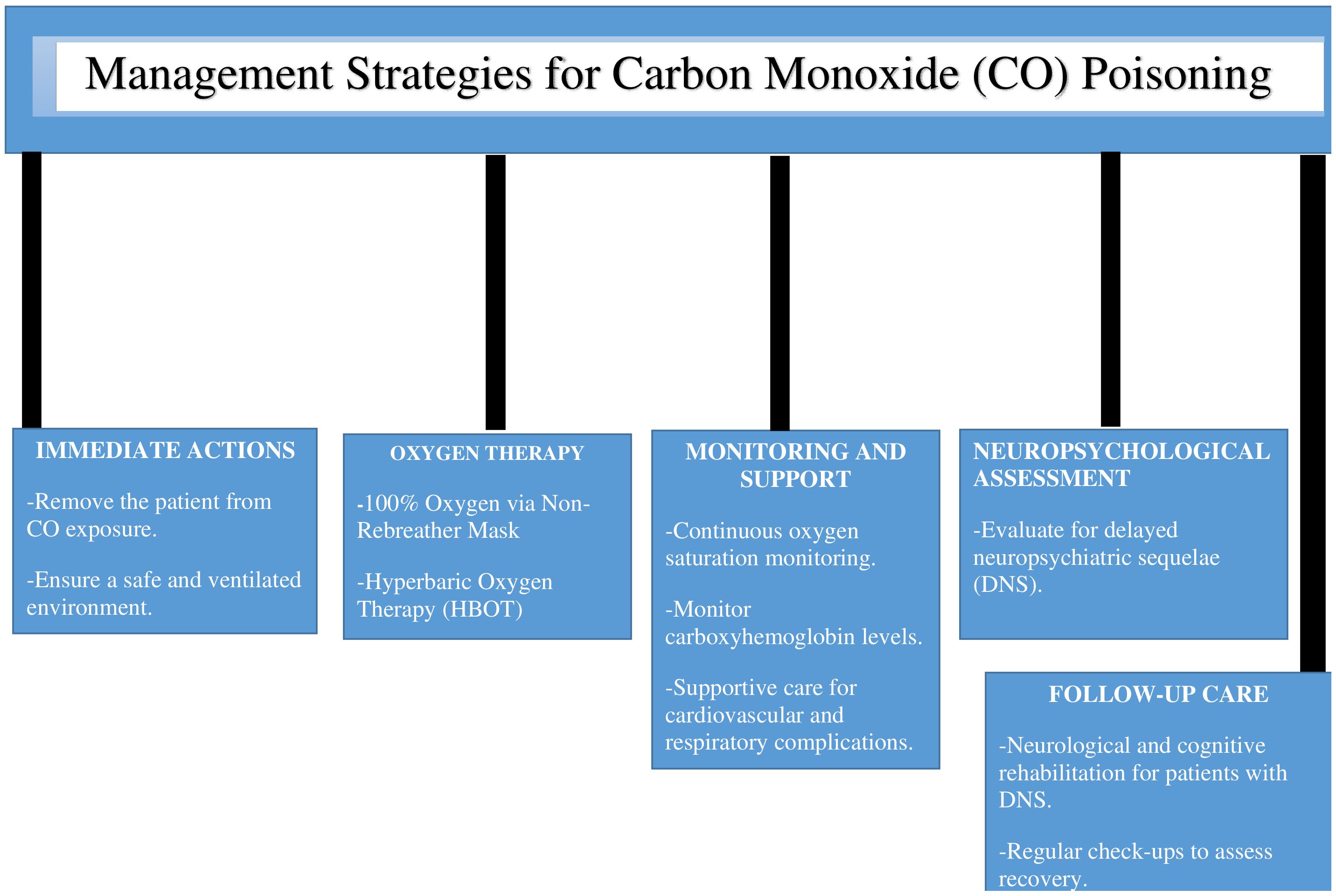
Okay, "fun" might not be the first word that springs to mind when we talk about carbon monoxide poisoning, but bear with me! Think of it less as a scary topic and more like gaining a superpower – the power to protect yourself and your loved ones from a silent, invisible threat. It's about being savvy, feeling prepared, and having that wonderful peace of mind that comes from knowing you've got your bases covered. Learning about CO safety is surprisingly empowering and incredibly useful for every single household. It's like unlocking a secret level of home management, making your living space not just comfortable, but genuinely safe.
Whether you’re a beginner setting up your first home, a busy parent looking out for your family, or a diligent homeowner who loves to keep everything running smoothly, understanding carbon monoxide safety is absolutely essential. For newbie renters or homeowners, it’s a foundational piece of home safety knowledge, helping you feel confident and in control. Families will find immense value in creating a secure environment for children and pets, ensuring everyone breathes easy knowing you’ve handled this crucial aspect. Even if you consider yourself a "home hobbyist" – someone who enjoys maintaining and improving their living space – adding CO awareness to your toolkit is another way to optimize your home for ultimate well-being, making you a true guardian of your domain.
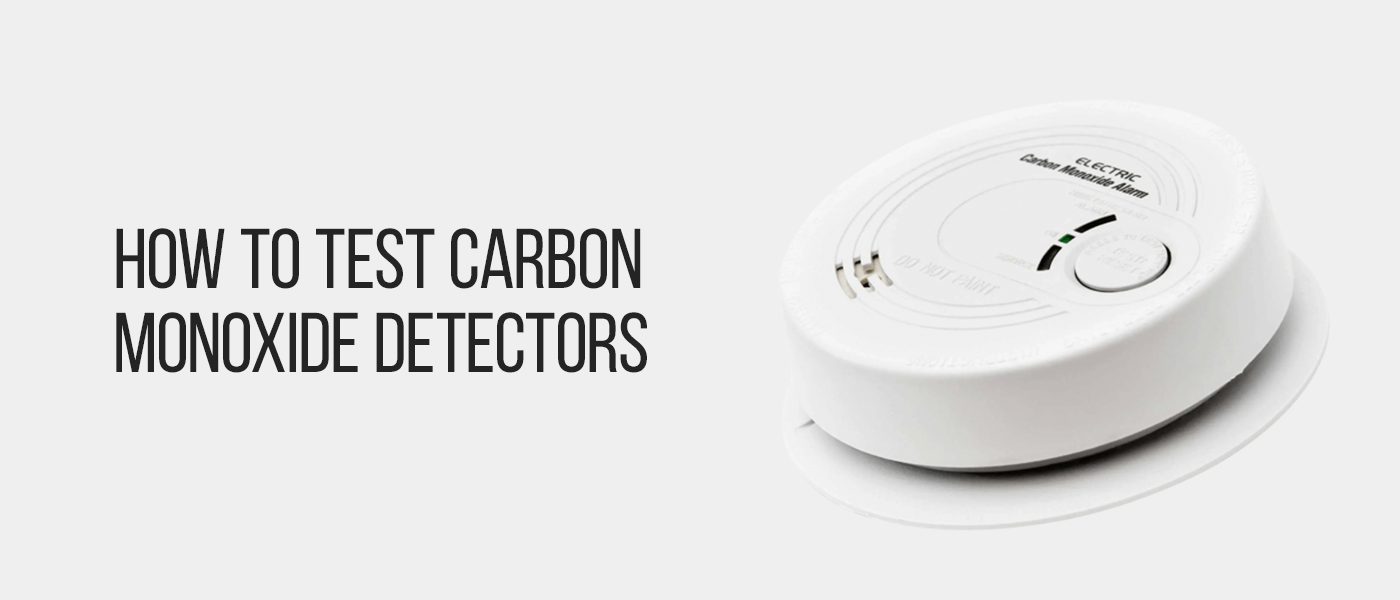
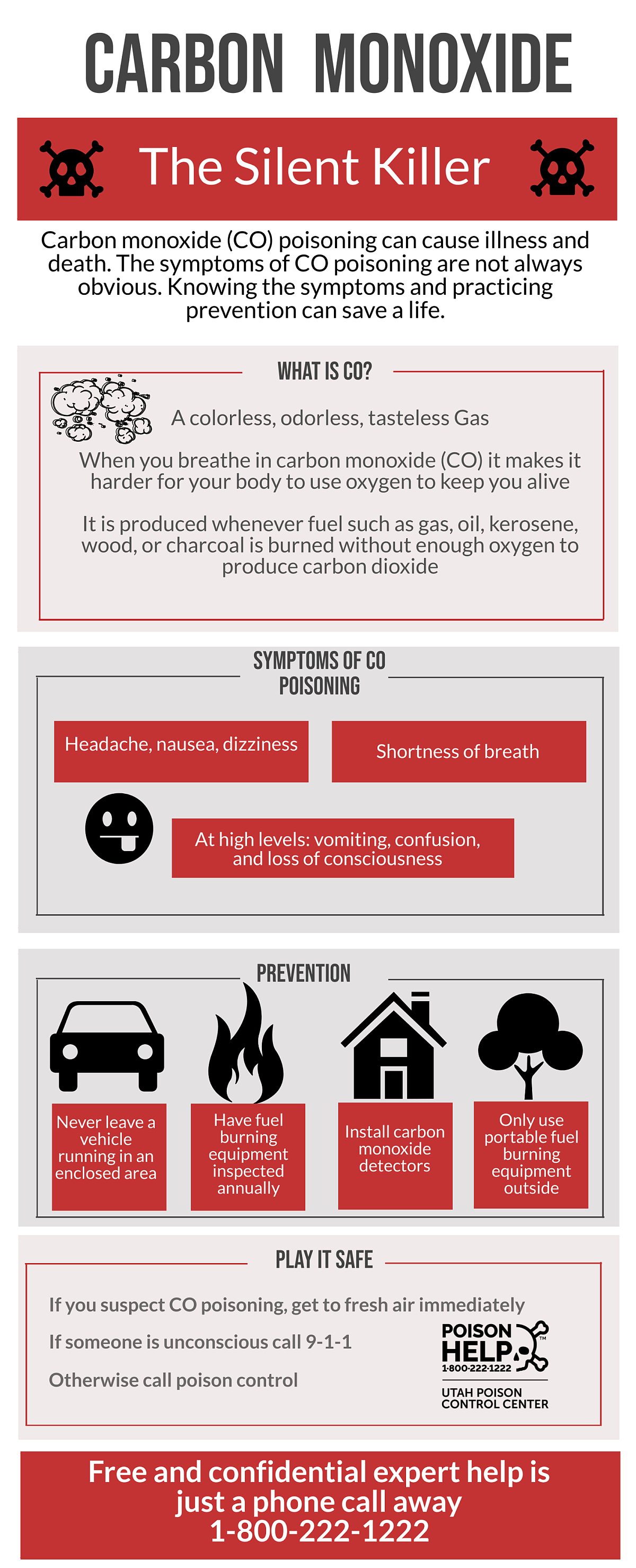
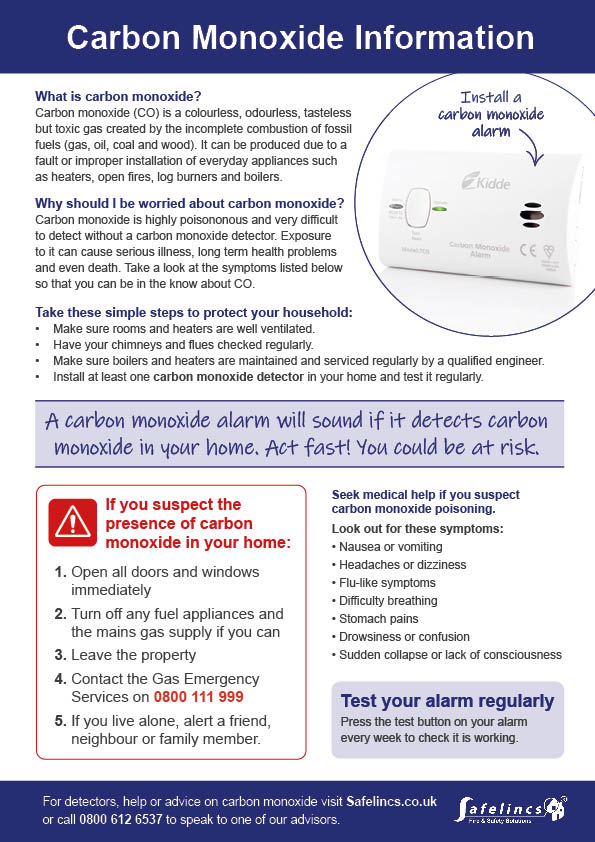
Carbon monoxide, or CO, is often called the "silent killer" because it’s completely odorless, colorless, and tasteless. It’s produced by burning fuels like gas, oil, kerosene, wood, or charcoal. Common sources in homes include furnaces, water heaters, gas stoves, fireplaces, and even blocked chimneys. Even cars running in an attached garage can be a culprit. The symptoms of CO poisoning can be tricky, often mimicking the flu – think headaches, dizziness, nausea, and fatigue. This is why detection is so crucial! Luckily, there are various types of carbon monoxide detectors: simple battery-operated ones, plug-in units, and even hardwired systems that integrate with your home’s electrical setup. Some even combine smoke and CO detection, offering a convenient all-in-one solution for extra confidence.
Must Read
Getting started with CO safety is incredibly straightforward. First, install carbon monoxide detectors. Aim for one on every level of your home, especially near sleeping areas and where fuel-burning appliances are located. Second, test your detectors regularly – usually with a simple button press – at least once a month. If they're battery-powered, replace those batteries annually, perhaps when you change your clocks for daylight saving. Third, never use generators, charcoal grills, or camping stoves indoors or in attached garages. Fourth, ensure all fuel-burning appliances are serviced annually by a qualified technician to prevent issues. And finally, keep vents and flues clear of obstructions like snow or bird nests. These simple habits create a powerful shield of protection for your household.
See? It’s not about fear, it’s about empowerment! Taking these easy steps to understand and check for carbon monoxide poisoning gives you incredible peace of mind. It's a small effort for a huge reward: the safety and well-being of everyone under your roof. Embrace this simple knowledge; it's a fundamental part of creating a truly secure and comfortable home. Knowing you’ve taken proactive steps makes your home not just safer, but a much more relaxed and enjoyable place to be. You'll feel good knowing you're a proactive protector, and that's a pretty valuable feeling!