
How To Check Carbon Monoxide In Your Home

Hey there, friend! Let's chat about something super important but often overlooked: carbon monoxide, or CO for short. Think of it as the ultimate party crasher – completely invisible, silent, and totally unwelcome. It's like that one relative who shows up unannounced and causes a ruckus, but way, way more dangerous. No offense, Aunt Mildred!
But don't you worry your pretty little head! Checking for this sneaky gas in your home is actually super easy, and gives you a huge dose of peace of mind. Let’s dive into how you can become a CO-detecting superhero!
Meet Your Home's Best Friend: The CO Detector!
This is it, folks! The undisputed champion in the fight against carbon monoxide. A carbon monoxide detector is like a little electronic nose, constantly sniffing the air for any signs of trouble. If it detects CO, it lets out a loud, insistent alarm that sounds like a very angry robot trying to get your attention. And trust me, you'll want to pay attention!
Must Read
Where to Put These Lifesavers?
Think strategically, like you're hiding cookies from your kids. You want them where they'll do the most good:
- Near sleeping areas: Ideally, one in the hallway outside each separate sleeping area. Because who wants a silent menace creeping in while you're dreaming of tacos?
- On every level: Yes, even the basement and top floor. CO can travel, so a detector on each story is a must-have.
- Near attached garages: If you have one, popping a detector near the door leading into your house is a smart move. Car exhaust contains CO, and sometimes it decides to wander indoors.
Avoid placing them right next to fuel-burning appliances (like your furnace) or in very dusty/humid areas, as this can trigger nuisance alarms. We want real alarms, not false cries of wolf!
Testing, Testing, One, Two, Three!
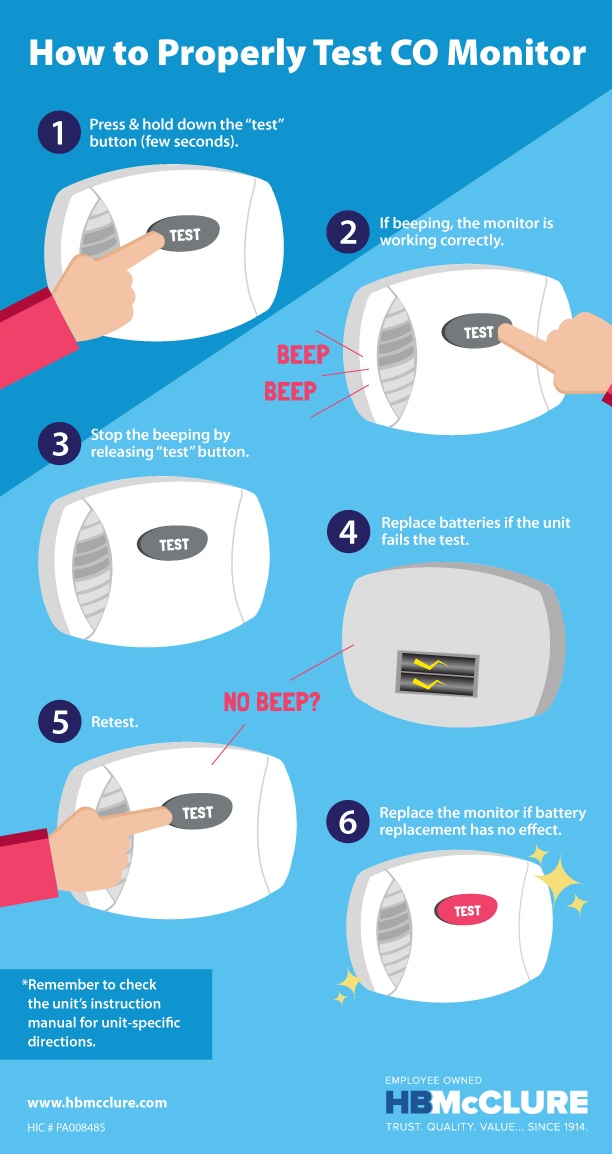
Just like you check if your phone is charged, you need to check your CO detectors! Most detectors have a "Test" button. Push it! You should hear a loud, piercing alarm. If you don't, it might be time for new batteries or a new unit altogether. Aim to do this at least once a month. It takes literally seconds and could save lives. Easy peasy!
They Don't Last Forever (Unlike My Love for Pizza)
Unlike some of our favorite things, CO detectors have an expiration date. Most last between 5-7 years. There should be an expiration date printed on the back. Once that date rolls around, it’s time to say goodbye and install a shiny new one. Don't be a hoarder; replace 'em!

Other Clues (But Don't Rely On These Alone!)
While your detectors are the ultimate guardians, there are a few other subtle hints that might suggest a problem, but these are often too late or too indirect:
Visual Cues (The "Something's Not Quite Right" Look)
- Soot or staining around an appliance, especially on walls or ceilings.
- A yellow or orange flame in a gas appliance (like your stove or furnace) where it should be blue. Blue is good, yellow is bad, like a banana that's gone past its prime.
- Pilot lights that frequently blow out.
- Unusual condensation on windows or walls.
These signs usually point to an appliance not burning fuel efficiently, which means it could be producing CO.

Physical Symptoms (The "Uh Oh, This Is Serious" Signs)
Carbon monoxide poisoning symptoms can unfortunately mimic the flu or just feeling under the weather. If you, your family, or pets start experiencing things like:
- Headache
- Dizziness or weakness
- Nausea or vomiting
- Confusion or disorientation
- Chest pain
- Fatigue
... and these symptoms seem to improve when you leave the house and worsen when you're inside, it’s a huge red flag! If you suspect CO poisoning, get everyone (and pets!) outside IMMEDIATELY and call 911 or your local emergency number. Seriously, this isn't the time to grab your phone charger or finish that last episode. Just get out!

The Takeaway: Be Prepared, Not Scared!
Checking for carbon monoxide is one of the easiest and most impactful things you can do to keep your home safe. It's all about equipping yourself with those awesome CO detectors, testing them regularly, and knowing when they need to be replaced. Doing these simple steps gives you superpower-level peace of mind.
So go ahead, give those detectors a little pat and a test button push. You're not just checking a device; you're safeguarding your most precious cargo – your family and your well-being. Knowing your home is protected from this silent threat lets you focus on the important stuff, like what to have for dinner, or whether socks really do disappear in the dryer on purpose. Stay safe, stay happy, and keep that smile!