How To Change Battery In Smoke Detector

Ah, the smoke detector. That unsung hero of home safety, quietly standing guard above our heads. Until, that is, it decides to become the most annoying roommate you’ve ever had. You know the sound. That tiny, insistent, chirp.
Not a full-blown alarm, oh no. That would be too straightforward. This is a subtle, passive-aggressive little beep that only makes itself known in the dead of night. Usually around 3 AM. It’s a classic move, isn’t it?
The Infamous Chirp: A Cry for Help (and Attention)
That persistent chirp isn’t just trying to drive you absolutely bonkers – though it often succeeds! It’s actually your smoke detector’s polite (or impolite, depending on your sleep deprivation level) way of saying, “Hey, my battery is running low! A little help here?” It's a vital sign that your home's little guardian angel needs a pick-me-up. Think of it as a smoke detector's tiny, vulnerable squeak.
Becoming the Domestic Detective: Finding the Culprit
The first step in this thrilling adventure? Finding which smoke detector is the culprit. Because, let’s be honest, that chirp echoes. It bounces off walls. It seems to come from everywhere and nowhere all at once. This is where your inner detective skills kick in.
Cup an ear. Stalk quietly through your home. Is it the one in the hallway? The kitchen? The basement, playing hide-and-seek? Sometimes, a little red or green light might flash with the chirp, giving you a clue. But often, it's a sheer act of deductive reasoning. It’s like a real-life game of “hot and cold” in your own living room! Who knew home maintenance could be so engaging?
Must Read
Gather Your Gear (Mostly a Chair)
Good news! You don't need fancy tools for this mission. Your primary equipment will likely be a sturdy chair or a small stepladder. Because, let’s face it, smoke detectors love high places. They’re like the tiny, watchful gargoyles of modern homes.
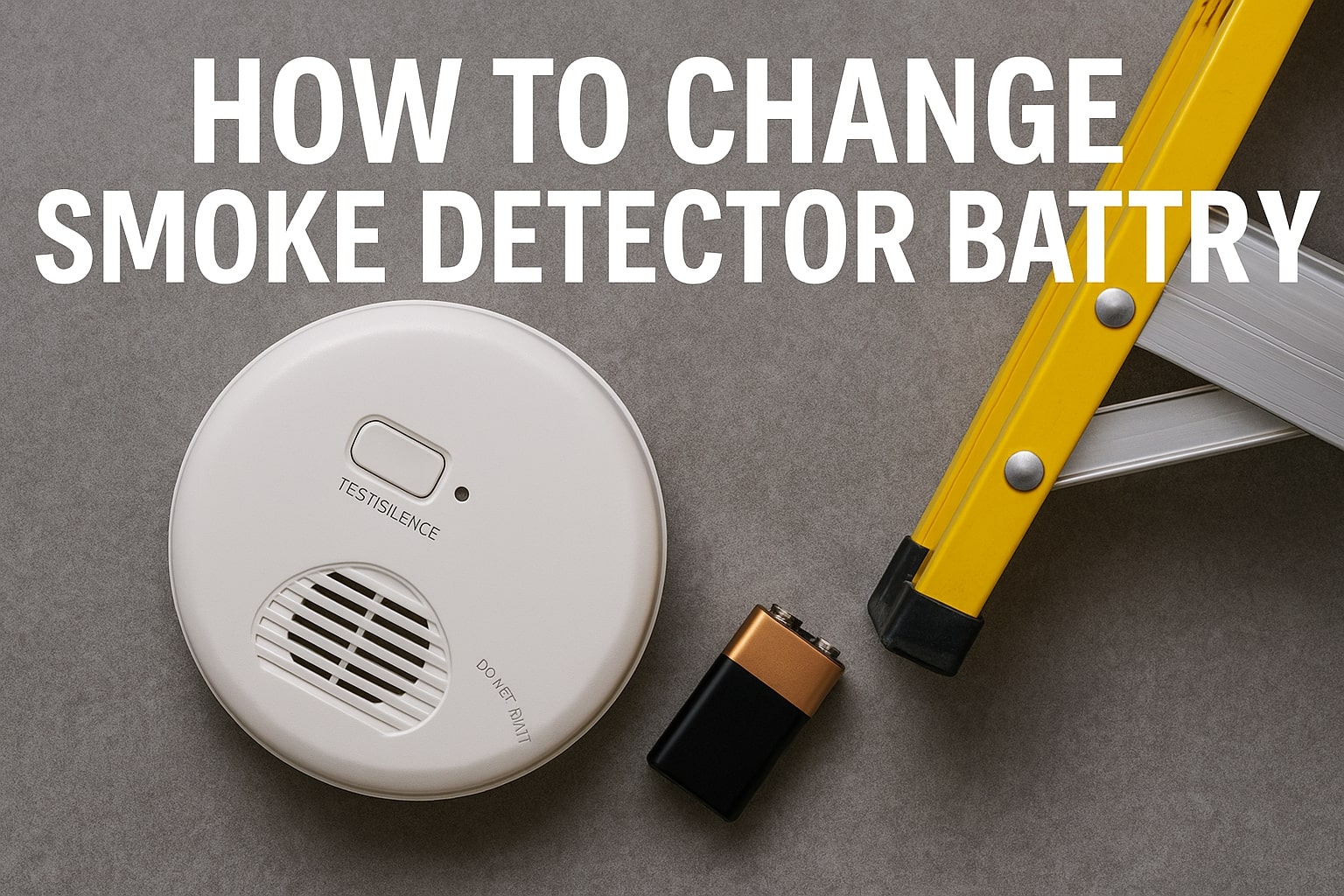
Oh, and don't forget the most crucial piece of equipment: a fresh battery! Most smoke detectors use a 9-volt battery – that iconic, rectangular little brick of power. It's almost nostalgic, isn't it? Like something out of an old transistor radio.
The Big Reveal: Opening the Smoke Detector
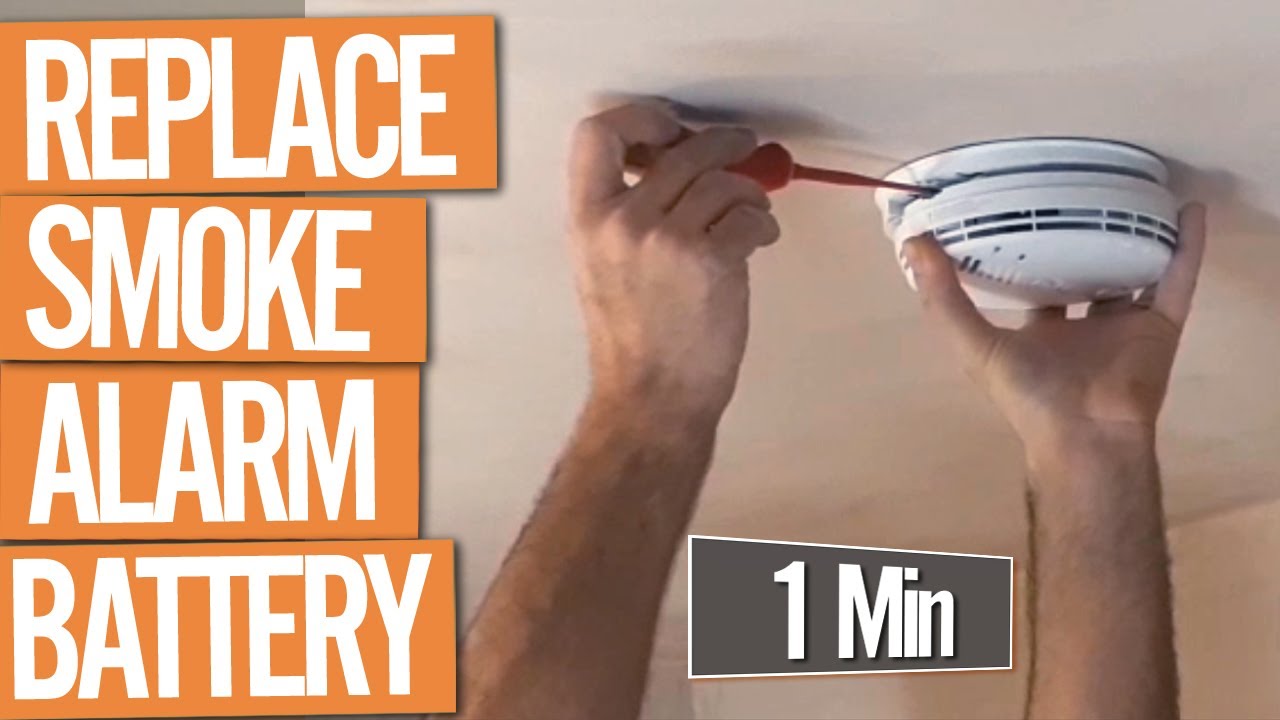
Ready for the magic? Most smoke detectors are incredibly user-friendly when it comes to battery access. Often, you just need to give the unit a gentle twist counter-clockwise, and it'll pop right off its base. Others might have a small latch or a slide-out compartment.
Don’t be shy! Give it a firm but gentle twist. You’re not trying to wrestle a bear, just unmasking a superhero. Once it's open, you'll see the battery compartment. Sometimes it's obvious, sometimes it's tucked away a bit. It’s like discovering a secret chamber!

The Grand Battery Swap: Out with the Old, In with the New!
This is the moment of truth! Locate the old 9-volt battery. It’s usually connected by two little snaps. Give a gentle pull, and it should detach. Now, for a pro tip: Before you toss that old battery, take a quick peek at the new one.
Are you sure it's fresh? We've all made the mistake of grabbing a "new" battery from the back of a drawer only to find it's been silently dying for months. Check the expiry date! Once confirmed, snap your fresh 9-volt into place. Hear that satisfying click? That’s the sound of renewed vigilance!
The Test Button: Prepare for the Jumpscare!
Battery swapped? Excellent! Now, gently reattach the smoke detector to its base, twisting it clockwise until it's snug. Then, take a deep breath.
Almost every smoke detector has a test button. Press it! And brace yourself! It’s designed to be loud, signaling that it’s working. That sudden, piercing BEEEEEEP! is your reward. A tiny jolt, perhaps a mini heart attack, but it’s a sound of sweet, sweet safety. If it beeps, you’re golden!
Quirky Smoke Detector Facts to Amaze Your Friends!
Did you know there are two main types? Ionization alarms are better at detecting fast-flaming fires, while photoelectric alarms excel at sensing smoldering fires. Some homes even use dual-sensor models for the best of both worlds!
And why does the chirp always happen at 3 AM? It’s often because cooler night temperatures can cause a slight drop in battery voltage, pushing that "low battery" threshold. Your detector isn't trying to be rude; it's just reacting to physics!
Also, those false alarms when you cook? Often it's just steam or dust. Give your detectors a quick, gentle wipe-down with a cloth now and then. They work hard, they deserve a little pampering!
The Sweet Sound of Silence (and Safety!)
There you have it! The domestic drama is over. The mystery solved. The hero (that’s you!) has saved the day. You’re left with a quiet home, a fully functional safety device, and the immense satisfaction of knowing you tackled a tiny, but crucial, household task.
Changing a smoke detector battery isn't just a chore; it’s a moment of empowerment. It’s a testament to your vigilance. So next time that insistent chirp starts, don't groan. Smile. It’s your call to adventure. Go forth, domestic hero, and conquer that chirp!