
How To Calculate Wattage From Voltage And Amperage
Ever felt like you're swimming in a sea of electrical jargon? Voltage, amperage, wattage… It can be a bit overwhelming, right? But fear not, dear reader! Understanding these terms, especially how they relate to each other, can unlock a whole new level of geeky fun and practical know-how. And trust me, it's easier than you think!
Today, we're tackling the big one: How to Calculate Wattage from Voltage and Amperage. Why should you care? Because wattage is the key to understanding how much power your devices are actually using. Think of it as the energy bill's secret language!
Ready to decode it? Let's dive in!
Must Read
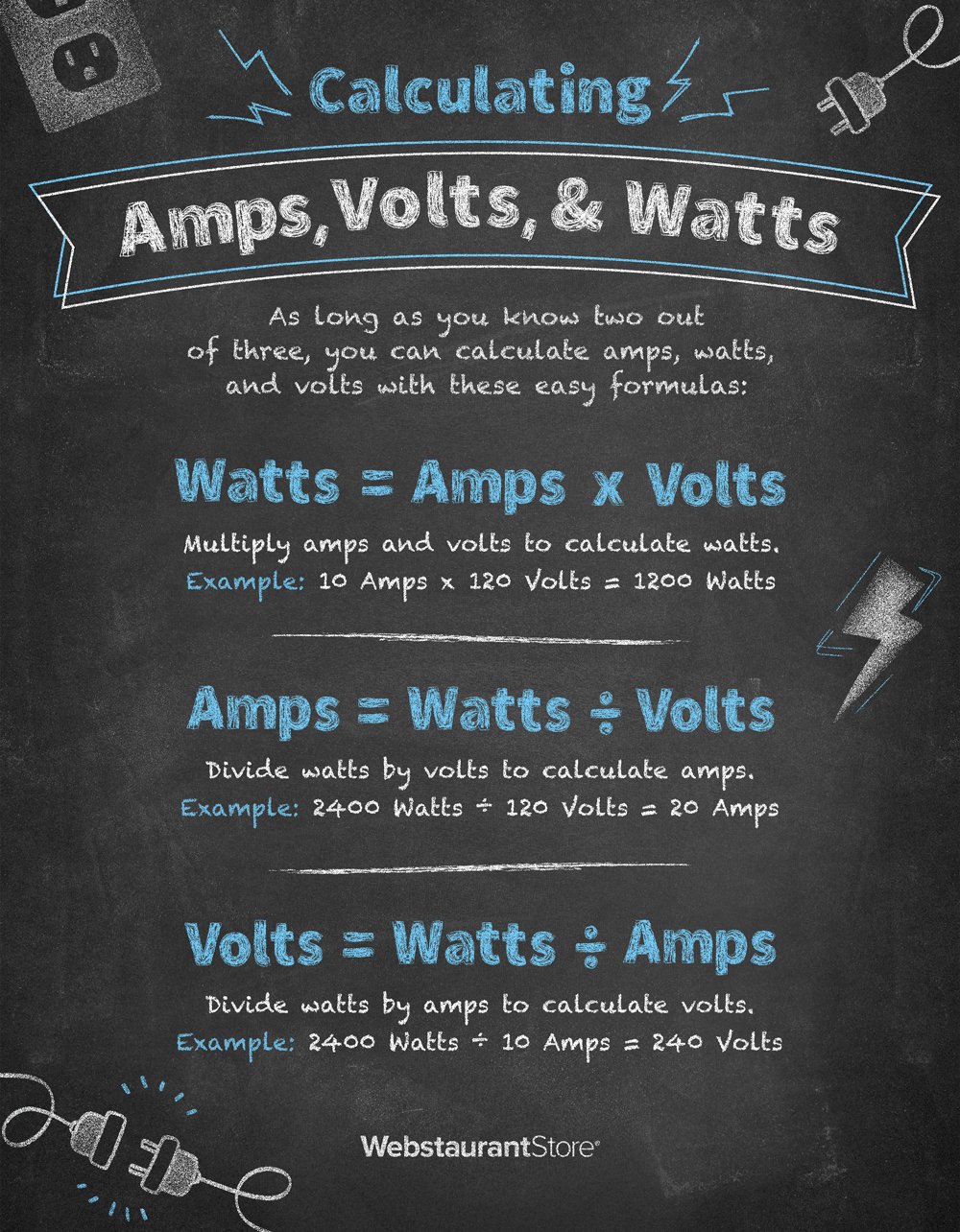
The Magic Formula: V x A = W
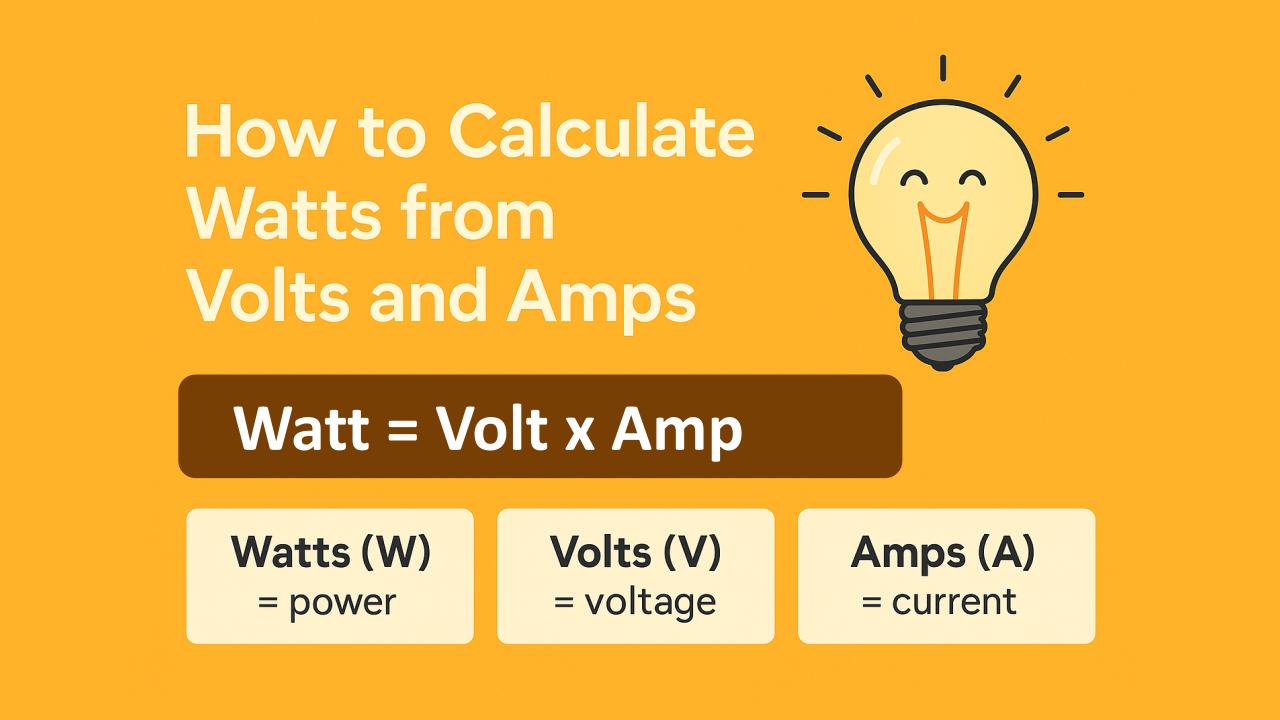
Okay, are you ready for the big reveal? The formula is incredibly simple:
Voltage (V) x Amperage (A) = Wattage (W)
Yep, that's it! Voltage, often described as electrical pressure, multiplied by amperage, the electrical current flowing through the circuit, gives you wattage, which is the measure of power consumption. Seriously, that's all there is to it. So, if you’re feeling intimidated, don’t! This is your superpower origin story.
Let’s break it down even further with a couple of simple examples.
Putting It Into Practice
Imagine you have a lamp. Let’s say the label on the bulb says it uses 120 volts (V) and draws 0.5 amps (A).
To find the wattage, you simply multiply: 120 V x 0.5 A = 60 W
Therefore, the light bulb is using 60 watts of power. Easy peasy, lemon squeezy!
Now, let’s try something a bit different. Suppose you have a space heater. The label states it operates at 120 volts and pulls 10 amps. Calculate the wattage:
120 V x 10 A = 1200 W
Wow, that space heater is consuming 1200 watts! Suddenly, that electricity bill makes a little more sense, doesn't it?
Why Is This Knowledge Power?
Knowing how to calculate wattage can be incredibly useful in a multitude of situations. Here are just a few:
- Choosing the Right Appliance: Want to compare the energy efficiency of two different refrigerators? Calculate the wattage based on their voltage and amperage to see which one will save you money in the long run. Think of the savings!
- Avoiding Overloads: Plugging too many high-wattage appliances into a single circuit can overload it, leading to tripped breakers and potentially even fires. Calculating the total wattage of everything plugged into a circuit helps you avoid this dangerous situation. Safety first, my friends!
- Selecting the Right Generator: Planning a camping trip or preparing for a power outage? Knowing the wattage of the appliances you need to power will help you choose the right size generator. No one wants a generator that can't handle their coffee maker, right?
The Amperage Mystery: How To Find It!
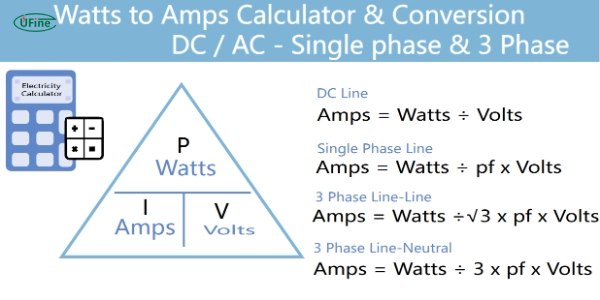
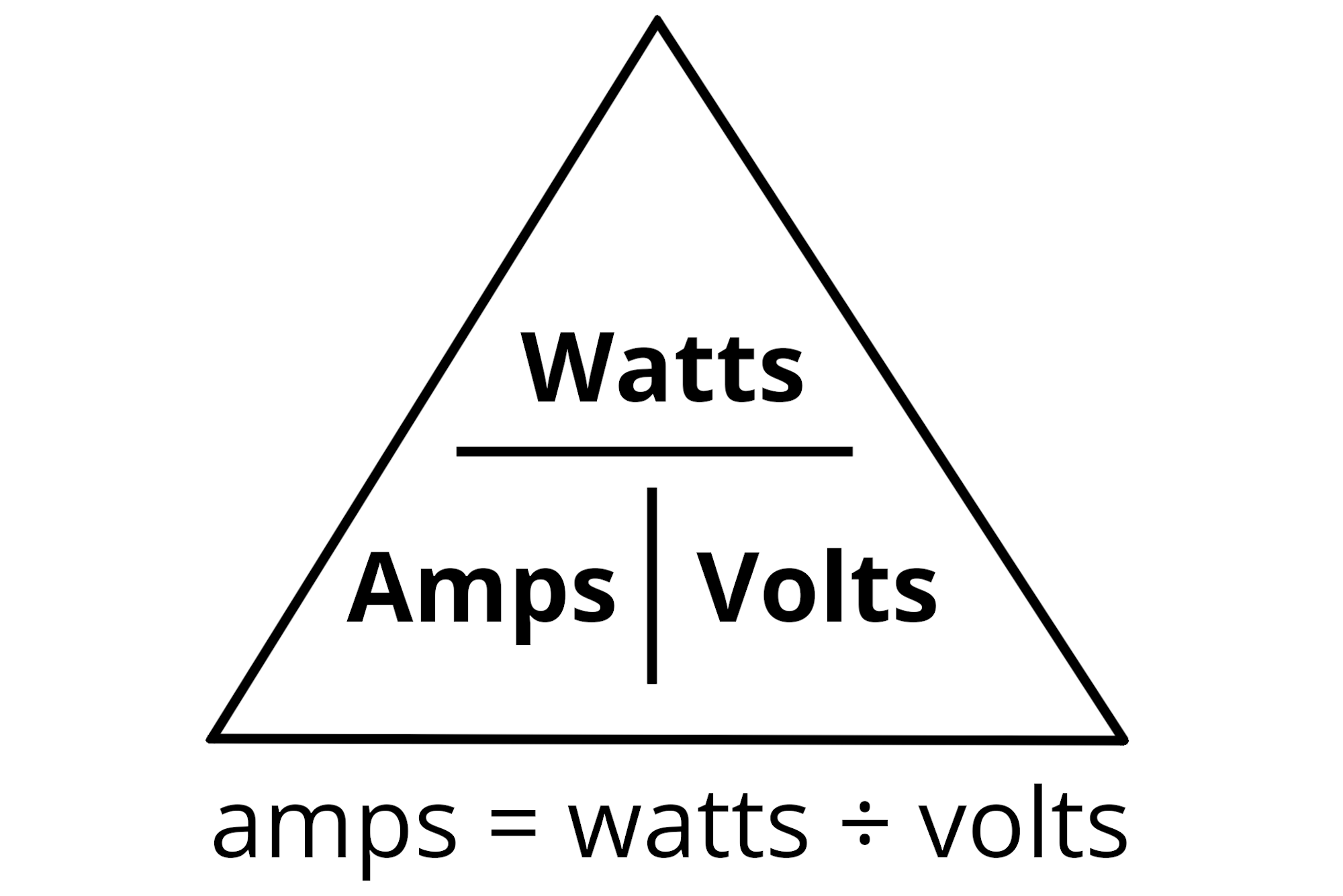
But what if you only know the wattage and voltage? No problem! You can rearrange the formula to solve for amperage:
Amperage (A) = Wattage (W) / Voltage (V)
Let's say you have a 100-watt light bulb that operates on 120 volts. To find the amperage:
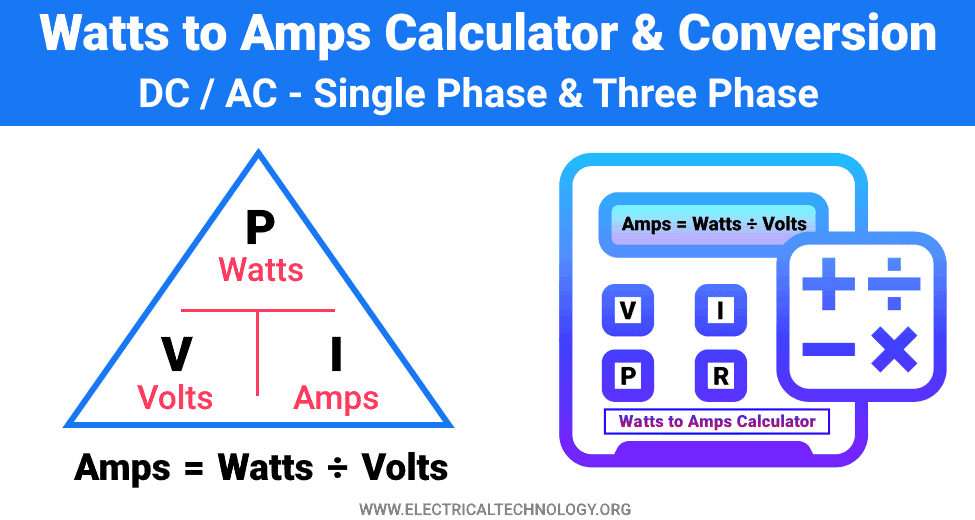
A = 100 W / 120 V = 0.83 A (approximately)
Now you know that this bulb draws approximately 0.83 amps. See? It's all connected!
Don't Be Afraid to Explore!
So, there you have it! The secret to calculating wattage is no longer a mystery. With this simple formula in your arsenal, you can confidently navigate the world of electrical power and make informed decisions about your energy consumption. And remember, every expert started somewhere. This is your first step towards electrical enlightenment!
The world of electricity is full of fascinating concepts and practical applications. Don't be afraid to delve deeper, explore new topics, and continue expanding your knowledge. Embrace the curiosity, and who knows, you might just discover a hidden talent for electrical engineering! Go forth and illuminate your world with newfound knowledge!