
How To Calculate Kwh Price
Hey there, curious mind! Ever found yourself staring at your electricity bill, maybe a little bewildered, wondering what all those numbers actually mean? It’s not just you. For many, that monthly statement from the power company feels like a secret code only utility gurus can decipher. But what if I told you that understanding one tiny, yet mighty, number on that bill can unlock a whole new level of control and insight? We’re talking about the kWh price, and calculating it is surprisingly simple and, dare I say, kind of fun.
Think of it like this: when you buy a gallon of gas, you know its price per gallon, right? Or when you grab your favorite coffee, you know the price per cup. But when it comes to the energy powering your entire life – your Netflix binges, your morning toast, your phone charging overnight – do you know its unit price? Probably not. And that's okay! But let's change that, shall we?
What in the World is a kWh Anyway?
Before we dive into the math, let's demystify the star of our show: the kWh. It stands for kilowatt-hour. Sounds fancy, right? But it's really just a unit of energy.
Must Read
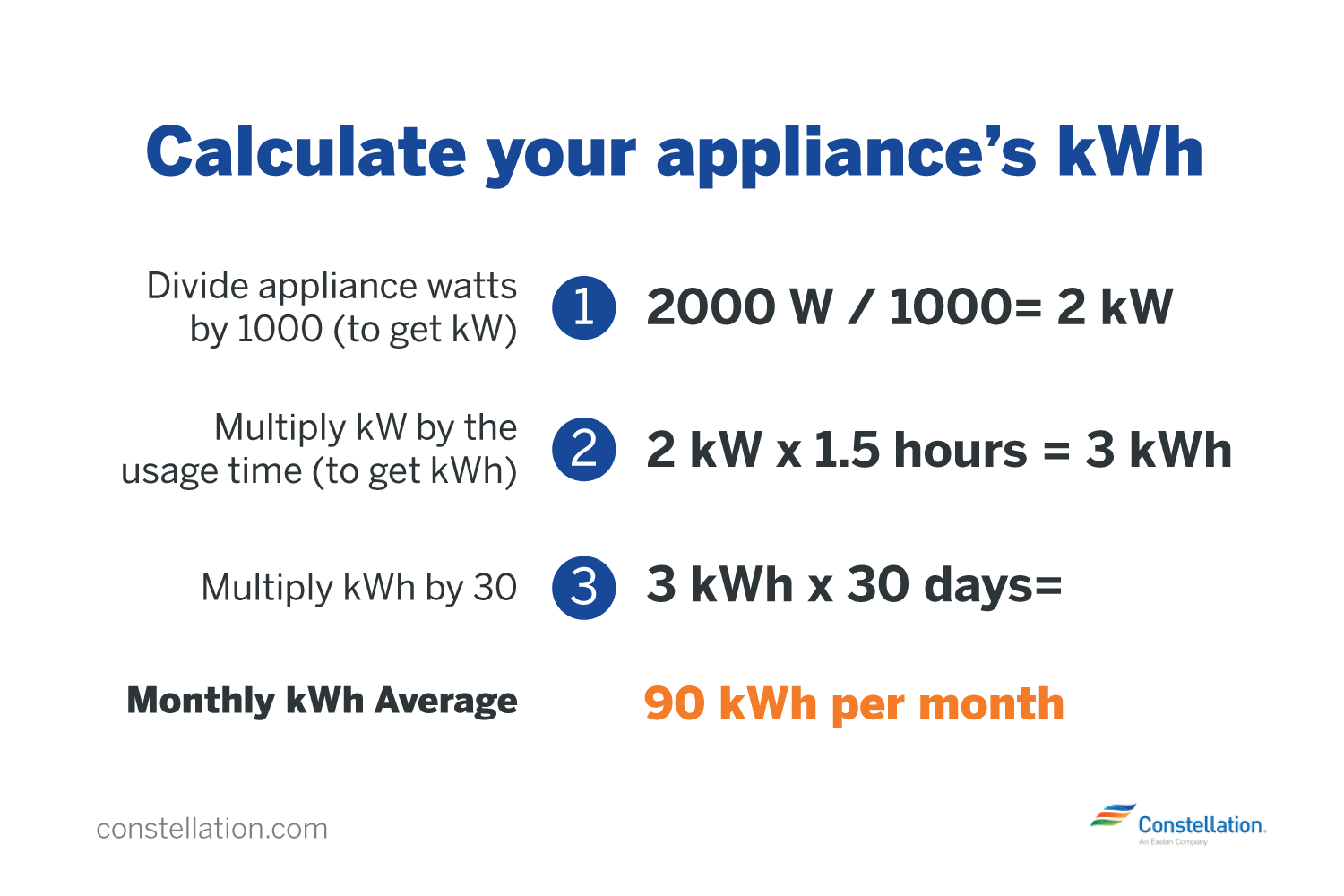
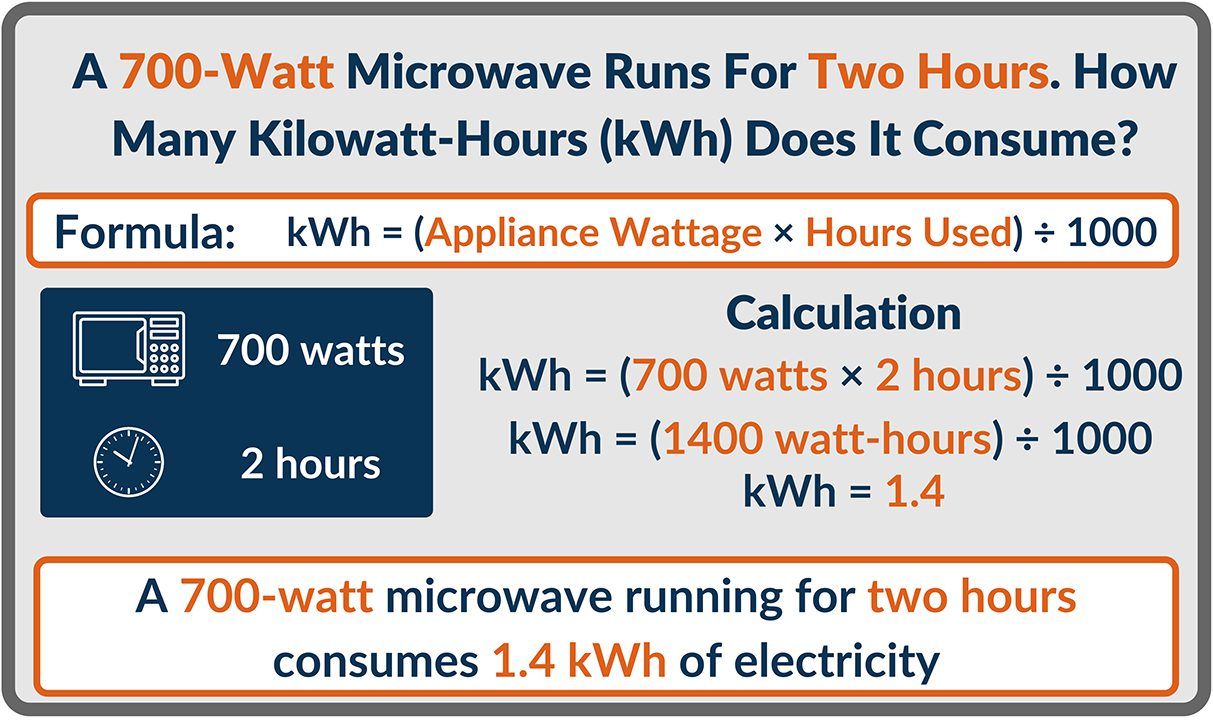
Imagine a watt (W) as a tiny little worker doing electrical stuff. A kilowatt (kW) is 1,000 of those little workers. Now, if those 1,000 workers keep chugging along for an entire hour, that's one kilowatt-hour. So, it's not just about how much power something uses, but how long it uses it for.
For instance, a 100-watt light bulb running for 10 hours uses 1 kWh (100W * 10h = 1000Wh = 1 kWh). See? Not so scary! It's simply the way your utility company measures how much juice you've slurped down.
Why Bother Calculating It? The Power of Knowing!
"Okay," you might be thinking, "that's neat, but why should I care about my kWh price?" Well, because knowledge is power, my friend – literally!
Knowing your kWh price is like having a superpower for your budget. Suddenly, you can look at that fancy new gadget's energy consumption (usually listed in watts or kWh/year) and instantly translate it into real money. That extra load of laundry? That gaming session? That perpetually plugged-in charger? You'll start to see their true cost.
It helps you answer questions like: Is it cheaper to run my dishwasher at night? How much is that old fridge costing me to keep alive? Am I really saving money by switching to LED bulbs? Understanding your kWh price gives you the tools to make smarter, more informed decisions about your energy use, which can lead to some sweet savings.
Grabbing Your Bill: Let's Do Some Detective Work!
Alright, ready to become an energy detective? Go grab your latest electricity bill. Don't worry, we're not doing rocket science here.
You'll be looking for two main pieces of information:
1. Your total kWh used during the billing period. This is usually clearly stated, often under a section like "Usage Details" or "Electricity Consumption." It might be a single number, or sometimes broken down by different time periods (like "on-peak" and "off-peak"). For our initial calculation, let's look for the grand total.
![KWh Formula: Calculate Power Bills Like a Pro! [Guide] - Eresources.blog](https://i.ytimg.com/vi/_5WBi35XgJg/hq720.jpg)
2. The total dollar amount for your electricity consumption. Now, this is where it gets a tiny bit trickier, but still totally doable. Your bill isn't just one big lump sum for energy. It often includes other charges like "delivery fees," "transmission charges," "taxes," and sometimes even "customer service fees."
Think of it like ordering a pizza: there's the cost of the pizza itself (the energy), but also the delivery fee, the service charge, and the tax. If you just divide the total bill by the number of pizzas, you're getting an inflated "pizza price."
So, we want to find the charges that are directly tied to how much energy you used. Look for line items that specify a rate per kWh or are clearly labeled "Energy Charge," "Supply Charge," or similar. Sometimes, "delivery" or "transmission" charges are also usage-based, meaning they charge you per kWh for sending the electricity to your home. Add these up! If you're unsure, a good starting point is often just the "Electricity Charges" subtotal before taxes and fixed monthly fees.
The Big Reveal: The Calculation!
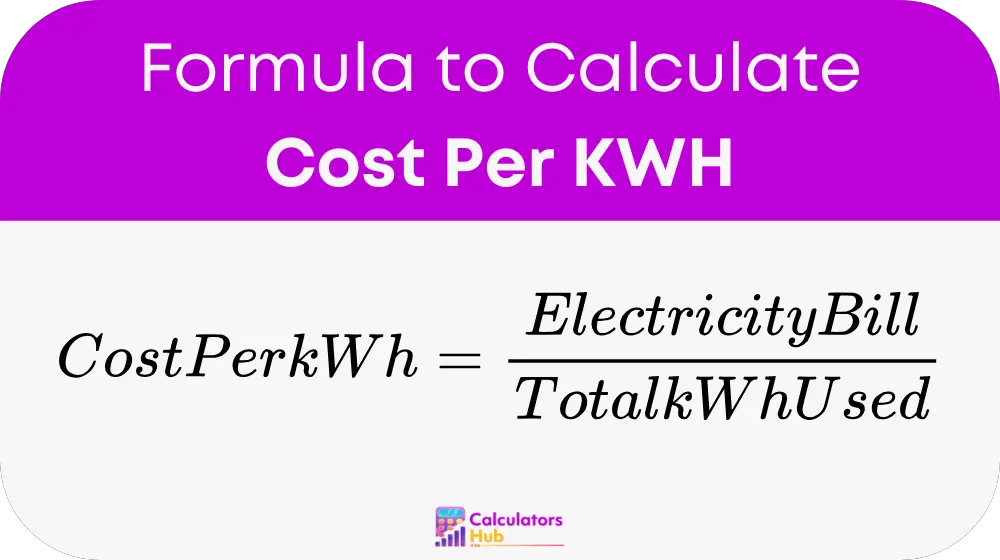
Got your numbers? Excellent! Here's the magic formula:
Your kWh Price = (Total Dollar Amount for Usage-Based Charges) / (Total kWh Used)
Let's say your bill shows you used 500 kWh and the sum of your usage-based charges (energy, delivery, etc.) came out to $75.00.
$75.00 / 500 kWh = $0.15 per kWh.
Voila! You've just calculated your average kWh price for that billing period. Pretty cool, right? You now know that every kilowatt-hour you consume costs you about 15 cents.
A Few Niggles and Nuances (Don't Worry, It's Still Fun!)
Now, it's worth noting that this calculation gives you your average kWh price. Some utility companies use complex pricing structures, like:
- Time-of-Use (TOU) pricing: Where electricity costs more during "peak" hours (e.g., weekday afternoons) and less during "off-peak" hours (e.g., nights and weekends).
- Tiered rates: Where the price per kWh increases once you use a certain amount of electricity.
If your bill has these, your actual kWh price fluctuates throughout the day or month. But understanding your average is still incredibly powerful. It gives you a solid benchmark to think about your overall energy habits. If you want to get super precise, you can try calculating a separate average for peak and off-peak charges if your bill breaks down the kWh usage for each.
So, What Now? Use Your New Superpower!
You've cracked the code! What can you do with this newfound knowledge?
- Budget Better: You can now estimate the cost of running appliances. How much does your AC really add to your bill?
- Spot Energy Hogs: An old appliance might be costing you more than you think. You can now quantify that!
- Make Smart Upgrades: Is that energy-efficient appliance worth the investment? Your kWh price helps you calculate the payback time.
- Become an Advocate: Understanding your rates helps you compare utility providers (if you have that option) or even ask more informed questions if you think something on your bill looks off.
See? It’s not just about dry numbers; it’s about understanding a fundamental part of your household expenses and gaining a sense of control. So next time you flip a switch, you'll have a much clearer picture of the tiny financial transaction happening behind the scenes. Pretty empowering, wouldn't you say? Keep being curious!