
How To Break Into A House

Ever found yourself standing on your porch, keys nowhere in sight, with that sinking feeling? Or perhaps you've watched a spy movie, utterly fascinated by how effortlessly a character might "get in" somewhere they're not supposed to be? There's something undeniably captivating about the idea of gaining entry, isn't there? It taps into a primal curiosity, a sense of problem-solving, and a dash of playful rebellion against the impenetrable.
Now, let's be super clear from the get-go: we're not talking about anything illicit here. This isn't a guide to unlawful activities, but rather a chill exploration of the intellectual puzzle, the sheer curiosity, and the ingenious ways barriers can be understood and, sometimes, overcome. Think of it less as "breaking in" and more as "figuring out the puzzle of getting in."
The Locked Door: A Challenge or an Opportunity?
Imagine a door. It's solid, it has a lock, and it represents a boundary. For most of us, it's simply a way to keep things safe and private. But for the curious mind, a locked door can be like a Rubik's Cube or a tricky riddle. How does it work? What makes it secure? And if it's your door and you're on the wrong side, what then?
Must Read
This isn't about being sneaky; it's about understanding systems. It's like learning how a magician performs a trick. Once you know the mechanism, the illusion loses its mystery, and you gain a deeper appreciation for the craft, whether it's security design or slight of hand.
When Curiosity (or Forgetfulness) Knocks!
Let's be honest, who hasn't been locked out of their own home at some point? It's a universal human experience, usually accompanied by a frantic pat-down of pockets and a rising sense of panic. In these moments, the abstract concept of "how to get in" becomes a very real, very pressing question. And suddenly, your chill curiosity turns into a practical quest for entry.

This is where the fascinating world of locks and mechanisms truly shines. A lock, at its heart, is a cleverly designed puzzle. Pins, springs, tumblers – all working in harmony to allow entry only with the correct "key," which is essentially another custom-shaped puzzle piece. Pretty cool, right?
The Accidental Tools of Entry (for Your Own Home!)
When you're trying to get into your own place, the improvisation begins. Ever tried the credit card trick on a flimsy spring latch? It's a classic for a reason! It's not about being a master burglar; it's about understanding how basic door mechanisms work. A spring latch, unlike a deadbolt, relies on a slanted bolt that can sometimes be pushed back with a bit of leverage and finesse.
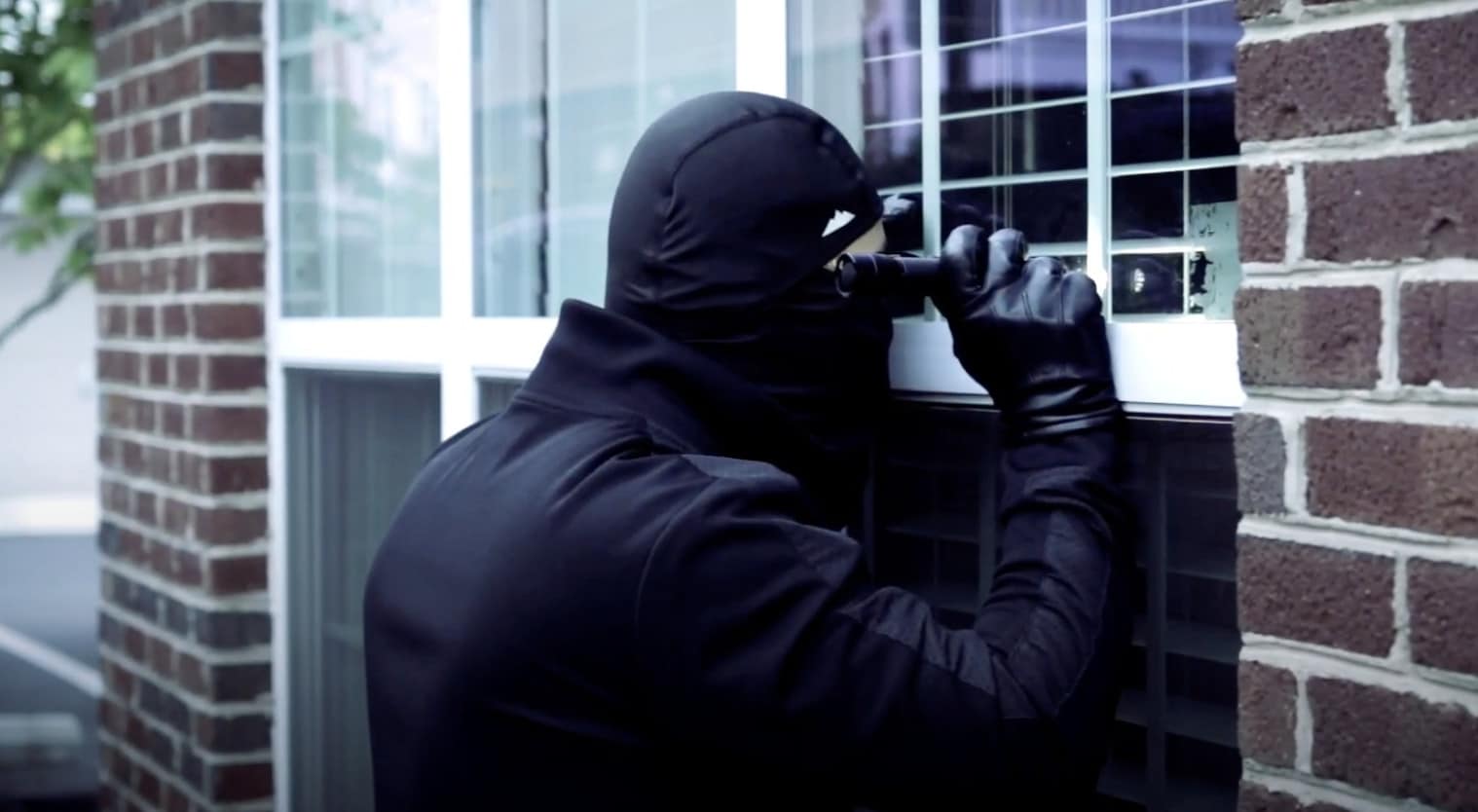
Or what about a strategically placed spare key? Ah, the old "under the mat" or "rock next to the plant" trick! While perhaps not the most secure, it speaks to our human desire for a workaround, a secret passage. It's like having a secret handshake with your own home.
It's about resourcefulness and a little bit of playful experimentation. Could a sturdy butter knife act as a makeshift lever? Could a paperclip become a temporary pick (on a very simple lock, of course)? These aren't suggestions for nefarious deeds, but rather thought experiments on the limits and vulnerabilities of common household items and mechanisms.
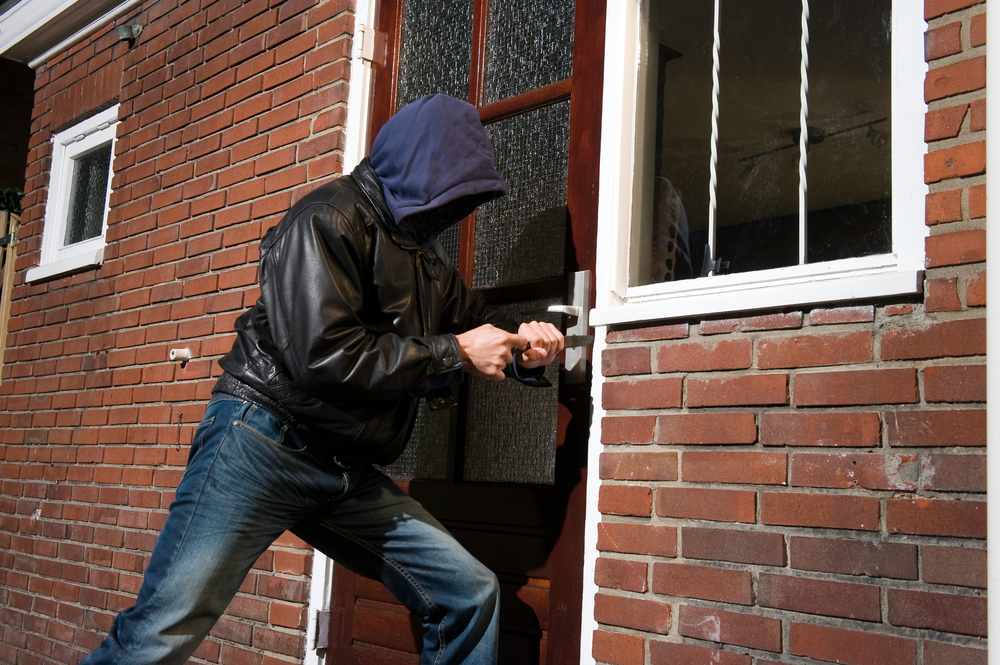
Beyond the Basics: Understanding Security
Delving into how one could bypass a lock or find an alternative entry point isn't just about the thrill; it's also about understanding security better. If you know how a simple lock can be foiled, you appreciate the value of a deadbolt. If you realize how easy it is to find a hidden spare key, you might rethink your hiding spot.
It turns the tables. Instead of just seeing a lock as a barrier, you see it as a design challenge. You begin to notice things: the type of hinges on a door, the sturdiness of a window latch, the placement of a pet flap. Each element presents its own mini-puzzle for the curious mind.

It’s a bit like playing a game of chess with your own security. You're trying to anticipate moves, find weaknesses, and then strengthen them. This intellectual exercise, done with respect and a good dose of ethical awareness, can be incredibly insightful.
The Fun in Figuring Things Out
Ultimately, this playful curiosity about "breaking in" is about the joy of figuring things out. It's the same spark that drives engineers, puzzle enthusiasts, and escape room fanatics. It's about looking at a challenge and thinking, "There has to be a way," and then enjoying the process of discovering it.
So, next time you see a locked door, feel free to let your imagination wander for a moment. Not in a creepy way, but in a wonderfully curious, problem-solving way. How does that lock work? What would it take to overcome it (ethically and legitimately, of course, like getting into your own house when you're locked out!)? You might just find a whole new appreciation for the simple, ingenious mechanisms that keep our world secure... and sometimes, keep us out of our own cozy abodes!