
How To Break Down Biofilm Naturally
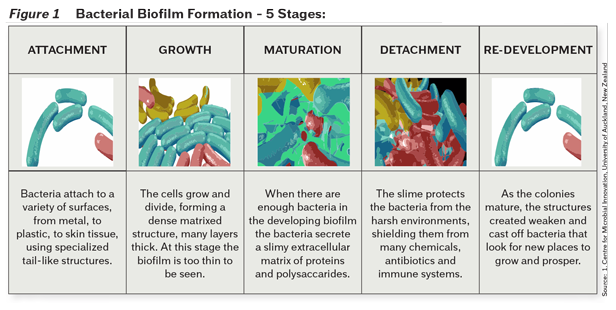
Hey there, curious minds! Ever wondered about that slimy film you sometimes find in your bathroom, or maybe even on your teeth? That, my friends, is likely biofilm. But don't let the scientific-sounding name intimidate you! It's actually a pretty fascinating phenomenon, and something we can totally tackle naturally.
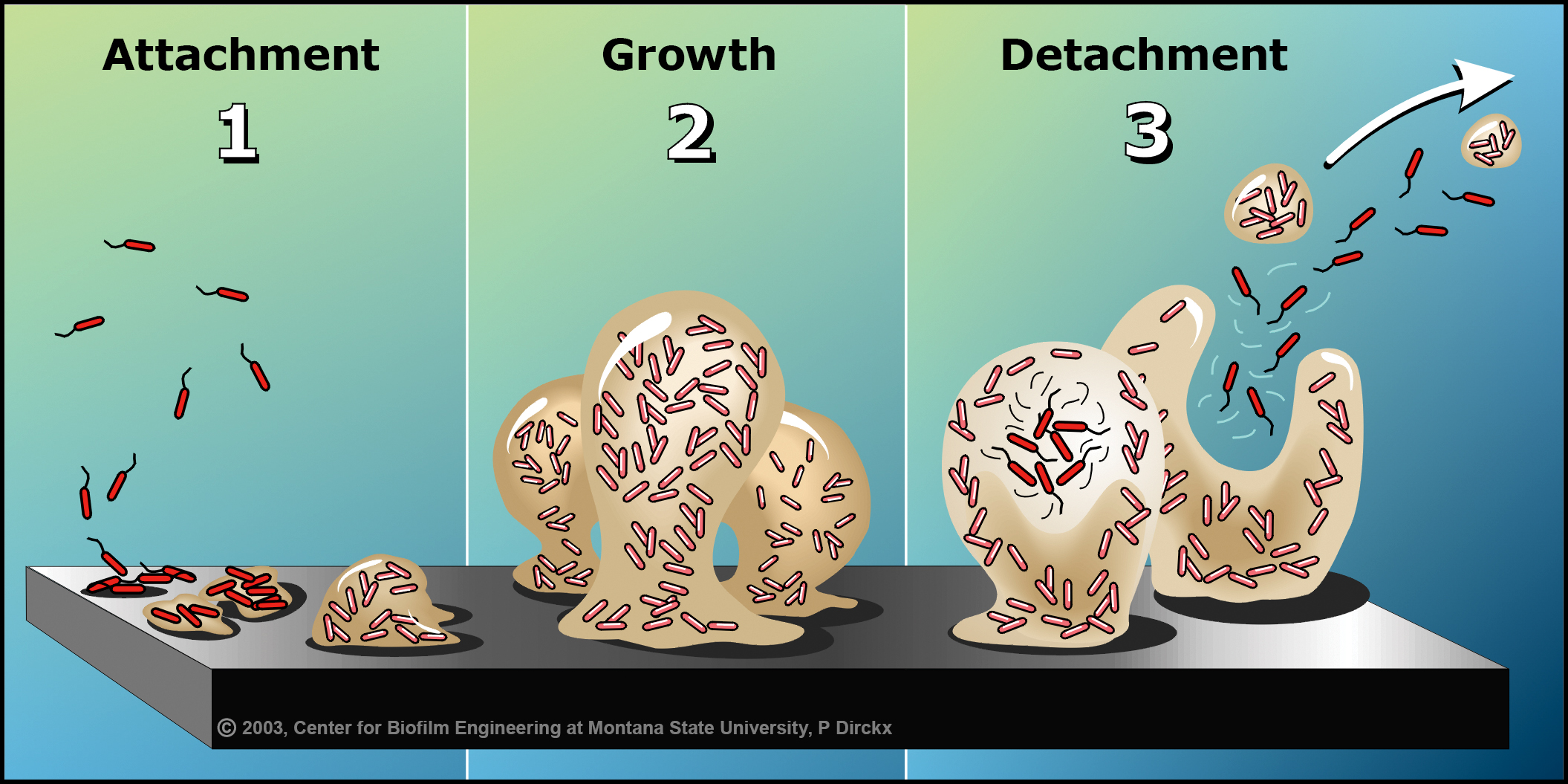
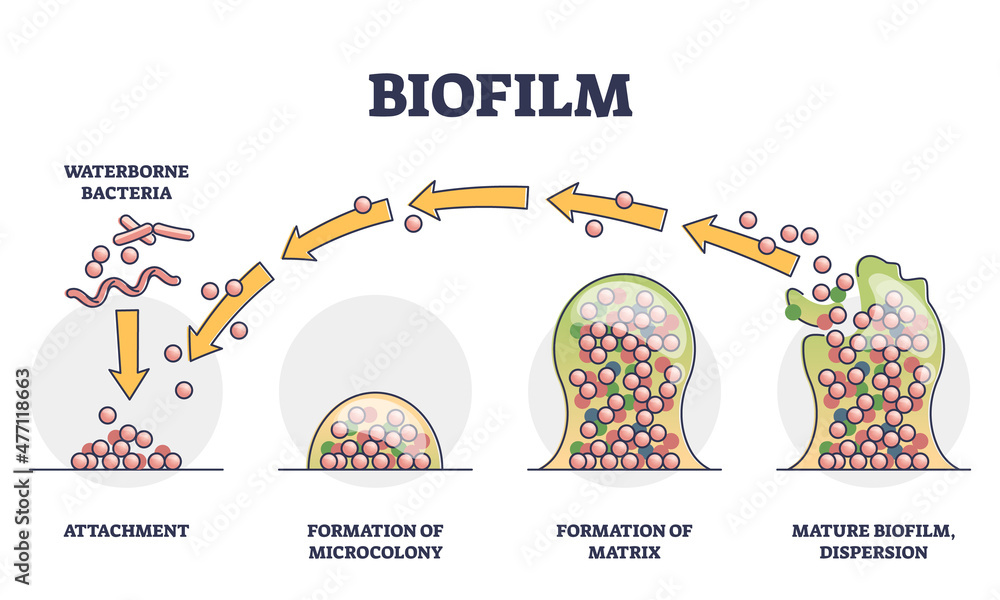
Think of biofilm like a tiny, super-organized city built by bacteria. They're not just floating around willy-nilly; they're huddled together, communicating, and working together to survive. Isn't that kind of… impressive? Imagine LEGO bricks snapping together to form a fortress – that's what bacteria are doing, but on a microscopic scale!
Why is Biofilm a Big Deal?
Okay, so organized bacteria are cool and all, but why should we care about breaking them down? Well, biofilm's protective shield makes those bacteria way more resistant to things that would normally kill them, like antibiotics or disinfectants. Think of it as a bacterial force field! This can lead to infections that are harder to treat and even contribute to things like tooth decay or stubborn sinus problems.
Must Read
Plus, biofilm can clog pipes, contaminate food, and even affect industrial processes. So, breaking it down isn't just good for our bodies; it's good for the world around us! Don't you think it's empowering to learn about tools that can help us maintain a balanced and healthy environment?
Natural Biofilm Busters: Let's Get to It!
Now for the fun part: how do we dismantle these microscopic bacterial cities without resorting to harsh chemicals? Turns out, Mother Nature has given us some pretty awesome tools.
Enzymes: The Demolition Crew
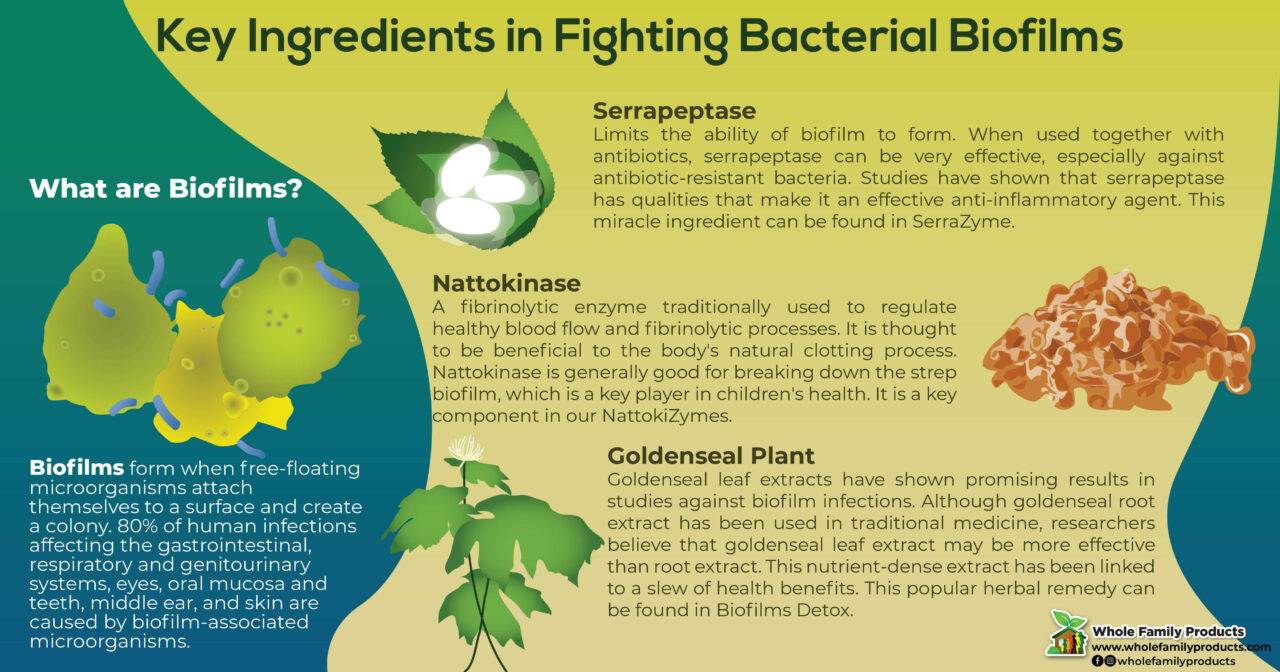
Enzymes are like tiny demolition crews that break down the structures holding the biofilm together. Certain enzymes, specifically proteolytic enzymes, target the proteins in the biofilm matrix, weakening its defenses. You can find these enzymes in supplements like nattokinase and serrapeptase.

Think of enzymes as microscopic wrecking balls, specifically designed to dismantle the biofilm's scaffolding. Pretty neat, right?
Essential Oils: The Disruptors
Essential oils, like tea tree oil, eucalyptus oil, and peppermint oil, have potent antimicrobial properties. They can disrupt the communication between bacteria in the biofilm, preventing them from coordinating their defenses. It's like jamming their radio signals!
But remember, essential oils are potent, so you should always dilute them properly and use them with caution. Consult a healthcare professional before using essential oils internally.
Probiotics: The Friendly Takeover
Probiotics, the good bacteria in your gut, can actually help compete with the biofilm-forming bacteria. By introducing a diverse and healthy gut microbiome, you're essentially crowding out the bad guys and making it harder for them to form biofilms in the first place. It's like inviting the cool kids to the party and making the bullies feel unwelcome.
Foods like yogurt, kefir, sauerkraut, and kimchi are packed with probiotics. Consider them delicious and beneficial allies in the fight against biofilm!
Cranberry Extract: The Anti-Adhesive Agent
Cranberry extract is known for its ability to prevent bacteria from sticking to surfaces. While it may not directly break down existing biofilms, it can make it harder for new ones to form. It's like coating everything in a non-stick spray for bacteria!
Plus, who doesn't love cranberries? They're tart, tasty, and packed with antioxidants!
Good Oral Hygiene: The Foundation
Don't underestimate the power of good old-fashioned brushing and flossing! Regularly removing plaque and debris from your teeth prevents biofilm from building up in the first place. It's like sweeping the floor regularly so the dust bunnies don't have a chance to multiply.
Consider incorporating a tongue scraper into your routine as well. Your tongue can be a breeding ground for bacteria, and scraping it can help reduce the bacterial load in your mouth.
Important Considerations
Before you go on a biofilm-busting rampage, it's important to remember that everyone's body is different. What works for one person might not work for another. It's always a good idea to consult with a healthcare professional before starting any new supplements or treatment plans.
Also, remember that biofilm isn't always bad! Our bodies actually rely on certain types of biofilm for healthy functioning. The goal isn't to eliminate all biofilm, but rather to maintain a healthy balance and prevent harmful biofilms from taking over.
So there you have it! A few natural ways to help break down biofilm and support a healthier you. Isn't it amazing how much power we have to influence our own health and well-being? Keep exploring, keep learning, and keep those bacterial cities at bay!