
How Take Money From Credit Card
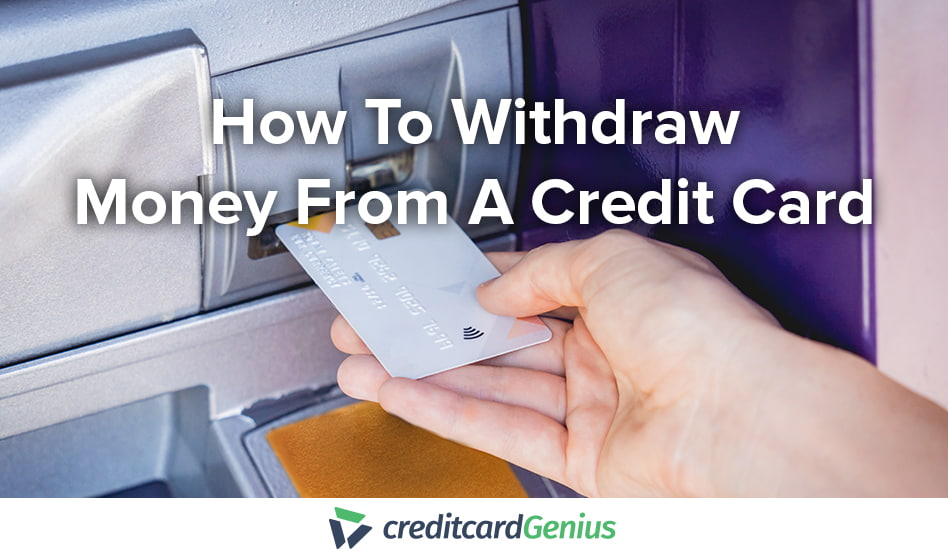
Ever wondered how that magical plastic rectangle lets you buy things? It's not actual magic, though sometimes it feels like it. It’s a carefully orchestrated dance involving you, the store, and some behind-the-scenes players.
The Swiping Saga
Imagine you're grabbing a ridiculously oversized inflatable unicorn at "Unicorns R Us." You hand over your credit card, ready to unleash its purchasing power. The cashier swipes (or taps, or inserts – technology, am I right?) and a flurry of digital signals zips around.
Step 1: The Store's Plea
The store's point-of-sale (POS) system, that little computer thingy, sends a message. It basically screams into the digital void, "Hey! This person wants to buy a unicorn for $30 using this card! Is that okay?"
Must Read
Step 2: The Middleman's Mission
This message doesn't go straight to your bank. Oh no, that would be too simple. It goes through a payment processor, a company like Visa or Mastercard. They're the mail carriers of the credit card world.
These payment processors check if the store is legit. They don’t want some shady back-alley inflatable unicorn operation using their network. They are like the bouncers for the transactions.
Step 3: The Bank's Blessing (Hopefully)
The payment processor then calls your bank. "Yo, bank! Unicorn emergency! Approve this $30 charge?" Your bank checks a few things, mostly to see if you have enough available credit.
They also look for anything suspicious. Like, if you suddenly try to buy 10,000 inflatable unicorns when you usually just buy groceries. That might trigger a fraud alert!
Step 4: Green Light, Go!
If everything checks out, the bank sends back an "Approved!" message. The payment processor relays this to the store. The cashier beams, hands you your unicorn, and you're one step closer to inflatable pool party glory.
Behind the Scenes: The Real Money Moves
But wait! No actual money has changed hands yet. That unicorn is still technically floating in a financial limbo. The real magic happens later.
The Daily Batch
At the end of the day, or sometimes several times a day, the store sends a "batch" of all its credit card transactions to its bank. This is like a giant digital shopping list for the bank to settle.
Think of it like the store saying, "Okay, remember all those inflatable unicorns and other random things people bought today? Here's the total we're expecting." It’s the grand tally.
The Bank Shuffle
The store's bank then sends these transactions to the payment processor. Remember them? They're back! The payment processor then sends the individual requests to each customer's bank.
It's like a financial game of telephone, but with less whispering and more encryption. And significantly more complex algorithms.
Settling Up
Your bank then pays the store's bank, through the payment processor. This is where the actual money moves. It's all done electronically, of course, no actual bags of cash are exchanged (usually).
This process is called "settlement." Your bank is settling the score for all your unicorn-related (and non-unicorn-related) purchases. It's financial housekeeping on a grand scale.
Your Bill Arrives
Then, a few weeks later, you get your credit card bill. And that's when the reality of your inflatable unicorn addiction sets in. But hey, at least you had fun, right?
The Fee Fiesta
Of course, all this fancy electronic money movement isn't free. There are fees involved. Lots of fees. These fees are usually paid by the merchant, the store.
Merchant Fees
These are called merchant fees, and they’re a percentage of each transaction. Visa and Mastercard, and the banks involved, all get a little slice of the pie. It's how they make their money.
That's why some smaller stores might have a minimum purchase for credit card transactions. They're trying to avoid paying fees on small purchases that would eat into their profits. Smart, huh?
Fraud Prevention: The Digital Detectives
A big part of the credit card process is fraud prevention. Banks and payment processors are constantly on the lookout for suspicious activity. They're like digital detectives, sniffing out bad guys.
Algorithms and Anomaly Detection
They use sophisticated algorithms to detect unusual spending patterns. Buying gas in a different state? Purchasing a ridiculously expensive TV when you usually only buy groceries? These can trigger alerts.
These alerts are then reviewed by actual humans, who might call you to verify the transaction. It can be annoying, but it's better than someone racking up thousands of dollars on your card, right?
The Card Verification Value (CVV)
That little three or four-digit number on the back of your card, the CVV, is another layer of security. It's designed to prevent someone who stole your card number from making online purchases.
It's a bit like a secret password for your credit card. Keep it safe!
The Future of Payments
The way we pay for things is constantly evolving. We’ve gone from cash to checks to cards to… well, who knows what's next?
Contactless Payments
Contactless payments, like Apple Pay and Google Pay, are becoming increasingly popular. You just tap your phone or watch on the payment terminal, and voila! The transaction is complete.
They're convenient and secure, using tokenization to protect your card information. Tokenization is like giving the store a temporary, one-time-use card number instead of your actual card number.
Cryptocurrencies
Cryptocurrencies like Bitcoin are also trying to disrupt the traditional payment system. But they still face challenges in terms of volatility and widespread adoption.
Who knows, maybe one day we'll all be paying for our inflatable unicorns with Bitcoin. Or maybe not. Only time will tell.
So, Next Time You Swipe…
Next time you swipe your credit card, take a moment to appreciate all the behind-the-scenes activity that makes it possible. It's a complex and fascinating system.
It involves a whole lot of technology, a dash of financial wizardry, and a healthy dose of trust. And, of course, a ridiculously oversized inflatable unicorn.
Remember to use your credit card responsibly, pay your bills on time, and don't go too crazy with the inflatable unicorn purchases. Your bank (and your wallet) will thank you.