How Reliable Are Carbon Monoxide Detectors

Ever thought about the unsung heroes guarding our homes? While maybe not "fun" in the traditional sense, diving into how reliable carbon monoxide (CO) detectors are is incredibly useful and provides immense peace of mind. It's like unlocking a superpower for your home – the power to detect an invisible, odorless danger. In a world full of gadgets, understanding this crucial piece of home safety equipment means you're not just a homeowner, you're a home safety hero, equipped with the knowledge to protect what matters most.
So, who benefits from this knowledge? Well, pretty much everyone! For beginners, perhaps first-time renters or new homeowners, learning about CO detectors is foundational. It’s about understanding the basic setup, placement, and why this simple device is a non-negotiable part of a safe living space. For families, especially those with little ones or pets, reliability isn't just a technical spec; it's about safeguarding precious lives from the "silent killer" that carbon monoxide is. Knowing your detectors are dependable allows you to sleep soundly, knowing your loved ones are protected. Even for the hobbyists or tech-savvy individuals, understanding the nuances of CO detector reliability can lead to exploring smart home integrations or more advanced monitoring solutions, ensuring an even more robust safety net.
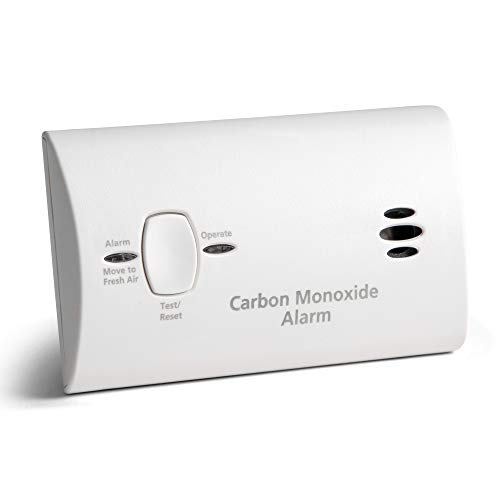
When we talk about reliability, it's not a one-size-fits-all situation. There are several variations of CO detectors, each with its own benefits. You've got your basic battery-operated units, perfect for easy placement and portability. Then there are plug-in detectors, often with a battery backup, offering continuous monitoring without worrying about battery life for extended periods. For a more integrated solution, some homes have hardwired CO detectors, often combined with smoke alarms, which can even communicate with each other. And for those who love technology, smart CO detectors are emerging, capable of sending alerts directly to your phone, even when you're away from home. Most modern detectors use a highly reliable electrochemical sensor, which is excellent at detecting even low levels of CO over time, providing precise and consistent readings.
Must Read
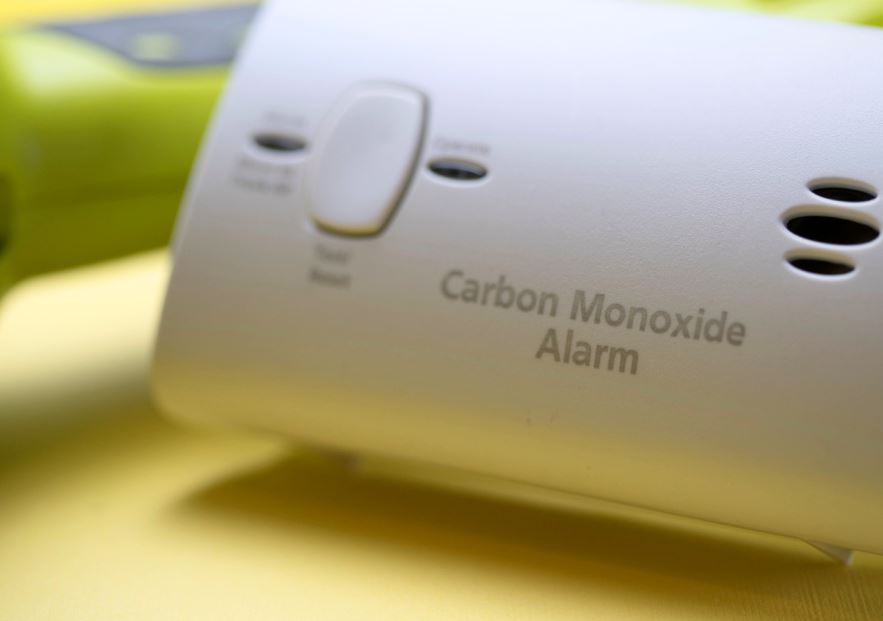
Getting started with ensuring your CO detector's reliability is surprisingly simple! First, make sure you have enough. The general rule is one on every level of your home, especially near sleeping areas. Second, install them correctly – follow the manufacturer's instructions for placement, usually on a wall or ceiling, but away from vents or windows that could affect readings. Third, and this is crucial, test them regularly! Most detectors have a test button; press it monthly to ensure the alarm sounds. You should also be mindful of the expiration date. CO detectors aren't forever; their sensors degrade over time. Look for a "replace by" date on the unit itself, usually around 5-7 years after manufacture, and replace them promptly. And of course, for battery-operated units, replace batteries twice a year, perhaps when you change your clocks for daylight saving.
Ultimately, understanding the reliability of your carbon monoxide detectors isn't just about technical specs; it's about empowering yourself with knowledge and simple actions that contribute to a safer, more serene home. It's truly easy to be a home safety advocate, and the feeling of knowing you've taken these vital steps is incredibly rewarding. So go on, check those detectors, and enjoy the peace of mind that comes with a truly protected home!