How Old Do You Have To Open A Bank Account
Ever wondered when you can finally ditch the piggy bank and get a real bank account? It's a question that pops up for a lot of people, from teens earning their first paycheck to parents planning for their kids' futures. Opening a bank account is a rite of passage, a symbol of financial independence, and honestly, a pretty cool step towards adulthood. Plus, who doesn't love the feeling of managing their own money?
The good news is, the age requirement is often lower than you think. For beginners, understanding this is key. While 18 is the age when you can typically open any kind of bank account completely on your own, many banks offer options for younger individuals, often with a parent or guardian's involvement. This is usually called a joint account, and it allows you to learn the ropes with adult supervision. Think of it as training wheels for your finances!
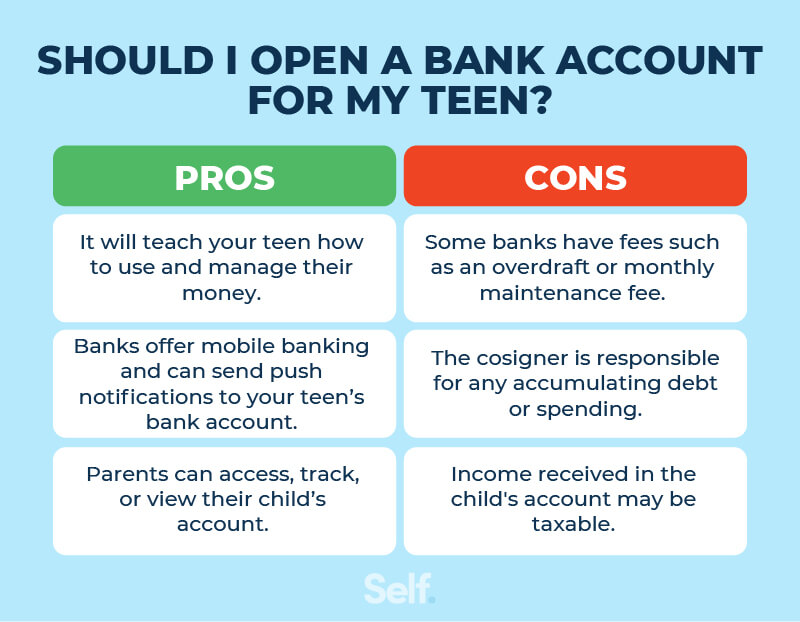
For families, knowing the minimum age is crucial for planning ahead. Want to teach your kids about saving? Opening a joint savings account is a fantastic way to start. They can deposit birthday money, allowance, or even earnings from chores, watching their balance grow. This not only fosters good financial habits but also provides valuable real-world experience. Some banks even offer special youth accounts with features like no monthly fees and educational resources.
Must Read
And for hobbyists or anyone with a side hustle, understanding these age restrictions can be important for managing income. Maybe you're selling crafts online or offering pet-sitting services. Having a dedicated bank account, even a joint one if you're under 18, makes tracking income and expenses much easier, especially when tax season rolls around. It also adds a layer of professionalism to your endeavors.
So, what are your options? A custodial account is another variation, typically used for investment purposes. While you, the minor, own the assets, an adult manages the account until you reach a certain age (usually 18 or 21). Then there are student accounts, often offered by universities or credit unions, which come with perks like lower fees and access to student loans.
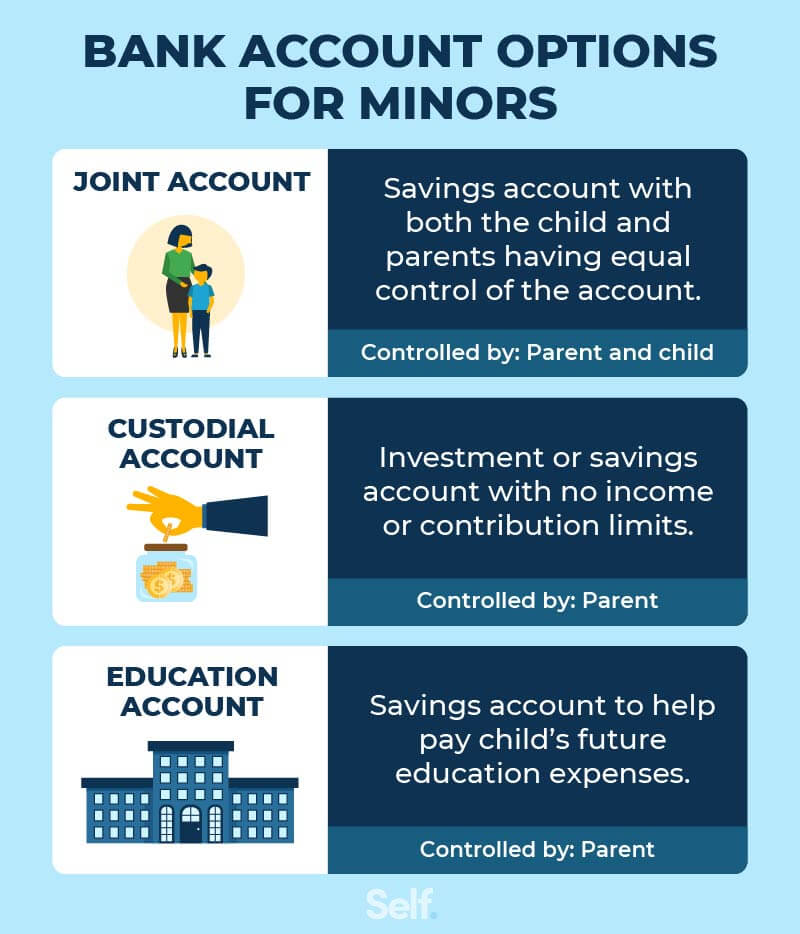
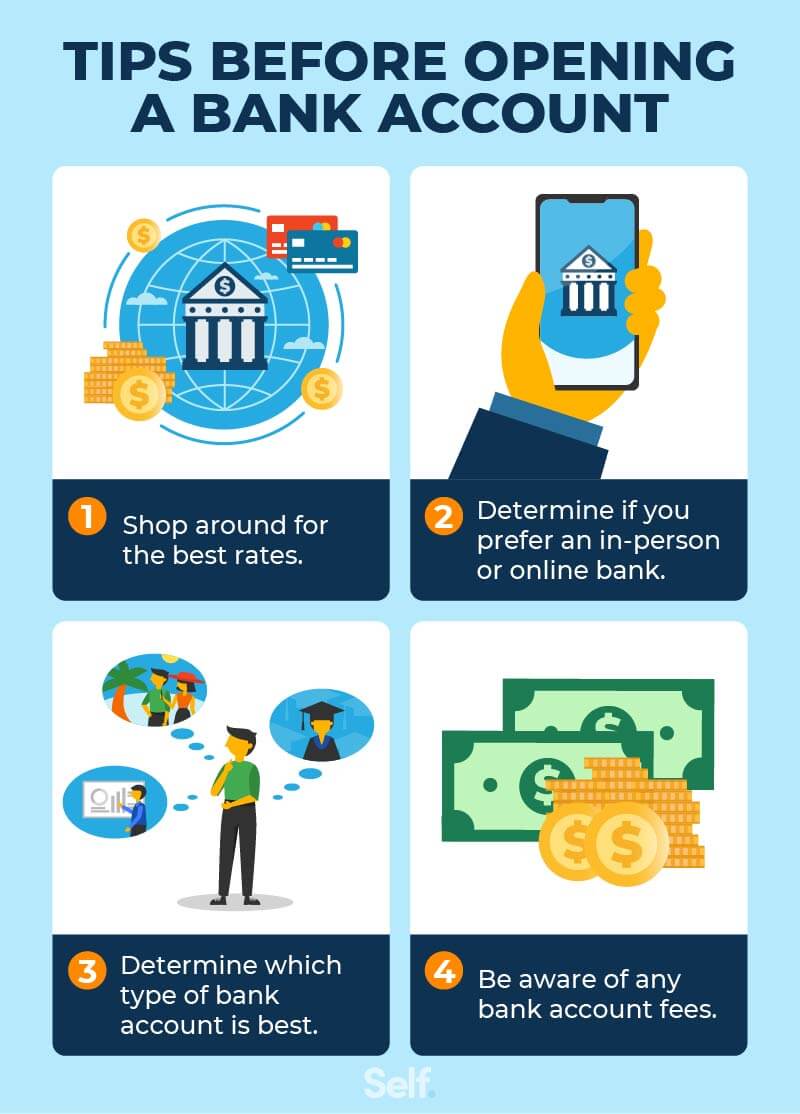
Here are some simple tips to get started:
- Do your research: Compare different banks and credit unions to find the best options for your age and needs.
- Talk to your parents or guardians: They can help you understand the process and choose a suitable account.
- Gather your documents: You'll typically need identification (like a birth certificate or passport) and proof of address.
- Ask questions: Don't be afraid to ask the bank representative about fees, features, and any other concerns you might have.
Opening a bank account is more than just a practical step; it's an empowering one. It's about taking control of your finances, learning valuable skills, and paving the way for a secure financial future. So, embrace the journey, explore your options, and enjoy the satisfaction of managing your own money!