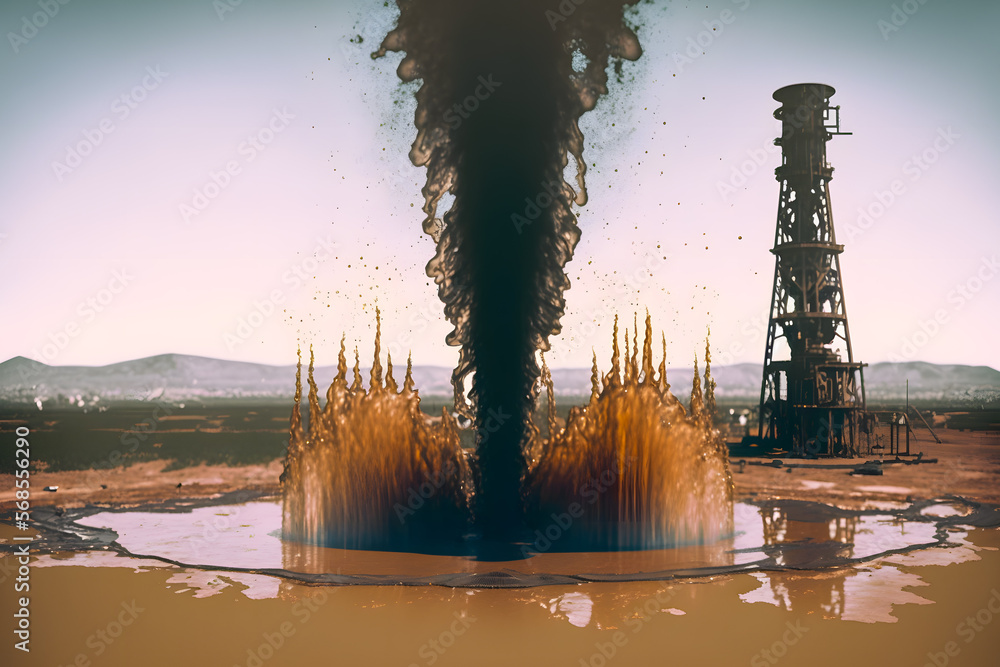
How Oil Is Extracted From Earth
/GettyImages-869302164-9a502a58fa2a4db3b21f57f7071864e5.jpg)
Ever stopped to think about the incredible journey that powers so much of our modern world? From the gas in your car to the plastic in your phone, oil is truly everywhere. But how does this versatile liquid get from deep beneath the Earth's surface all the way to our daily lives? It's a journey filled with ingenuity and fascinating science, and exploring it isn't just for geologists; it’s a wonderful way to understand the very fabric of our civilization. So, let's peel back a few layers of rock and curiosity and discover the amazing story of how oil is extracted.
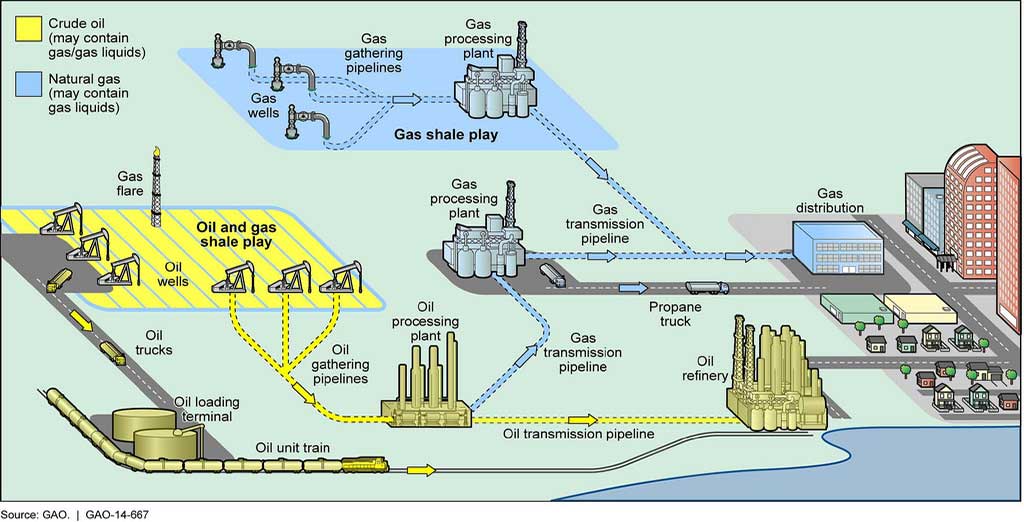
At its heart, the purpose of oil extraction is simple: to access a potent energy source and a fundamental building block for countless materials. Think of it as Earth's stored sunshine, a highly concentrated form of energy from ancient life. Extracting it allows us to fuel our transportation, generate electricity, and create almost every plastic item you touch. While the process is incredibly complex, it generally boils down to a few key stages. First, scientists use advanced techniques, like seismic surveys, to 'see' underground and pinpoint potential oil reservoirs. Then comes the drilling – a marvel of engineering that can reach miles into the Earth, sometimes curving horizontally to tap into wider areas of oil-rich rock. Finally, once a productive well is established, natural pressure often pushes the oil up, or powerful pumps are used to bring this 'black gold' to the surface.
The reach of extracted oil extends far beyond just filling up your car. Consider your morning routine: the plastic casing of your toothbrush, the synthetic fibers in your clothes, the container for your shampoo – all likely derive from petroleum. Look at the world around you: the asphalt on roads, the casing of your computer, even certain medications and cosmetics. Oil isn't just about fuel; it's a foundational component for our entire material culture. In an educational context, understanding oil extraction is crucial for geology students learning about Earth's composition, for engineers designing drilling equipment, and for environmental scientists studying sustainable energy transitions. It offers a tangible link to chemistry, physics, and economics, making it a truly interdisciplinary subject.
Must Read
Feeling curious to explore this more? You don't need a hard hat or a rig! Start by simply observing the plastics in your daily life. Pick up an item and wonder about its origins – chances are, oil played a role. For a visual feast, dive into some documentaries on platforms like YouTube or Netflix about 'oil exploration' or 'deep-sea drilling'; they offer incredible insights into the scale and complexity of these operations. If you have a science museum nearby, check out their energy exhibits; many have interactive displays showing how different energy sources are harnessed. Even a simple road trip can be an opportunity to think about the infrastructure that supports our fuel supply. The key is to cultivate that curious mindset and ask, 'How did this get here?'
Understanding how oil is extracted isn't just about knowing a process; it's about appreciating the incredible human ingenuity involved and the profound impact this resource has on our world. While we increasingly look towards renewable energy, the story of oil extraction remains a powerful chapter in humanity's quest to harness Earth's resources. It's a reminder of how deeply connected we are to the ancient processes happening beneath our feet, and a fascinating subject well worth a little exploration.

/GettyImages-1009089704-296410d1dc434d25a448a5ee7e306211.jpg)