
How Often To Pump Septic Tank Family Of 4

Alright, let's talk about something that rarely gets a spot in our "dream home" vision boards, but is absolutely crucial for a happy, harmonious household: your septic tank. Yes, you read that right! We're diving into the delightful world of underground waste management, and trust me, it's going to be more fun and inspiring than you ever thought possible. Why? Because mastering your septic system isn't just about avoiding a messy disaster; it's about peace of mind, saving money, and truly understanding your home from the ground up!
Imagine this: a Saturday morning, kids playing in the backyard, coffee brewing, and absolutely no worries about your plumbing. That's the dream, right? And your septic tank is a silent, hardworking guardian of that dream. But like any guardian, it needs a little TLC.
So, How Often to Pump for a Family of Four?
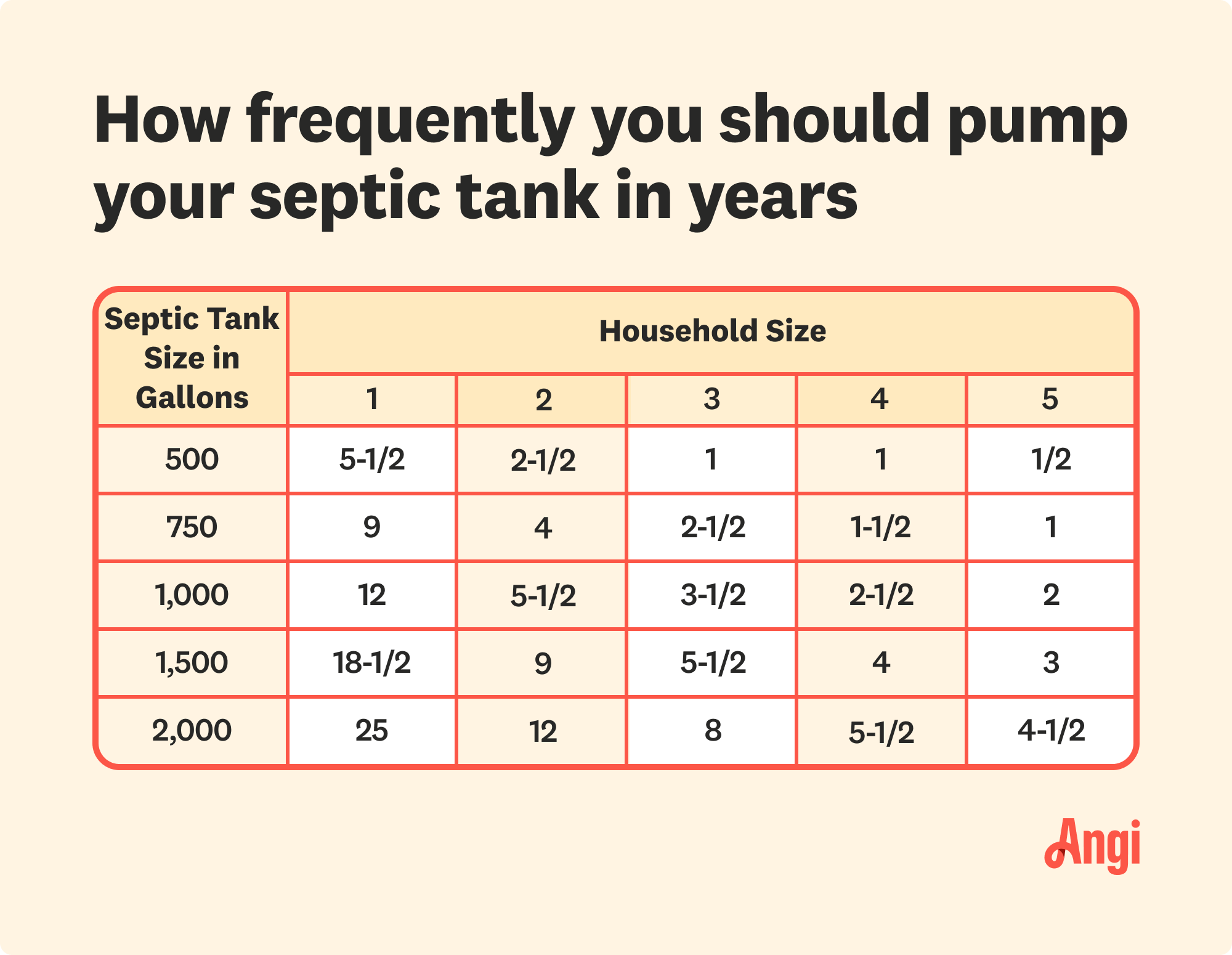
This is the golden question, isn't it? For a family of four, the general, often-quoted guideline is to have your septic tank pumped every three to five years. Phew! That sounds manageable, doesn't it? Not an annual chore, not something to lose sleep over every month.
Must Read
But here's the kicker, and where the "fun" part comes in: that's just a guideline. Think of it as the starting point for your own personal septic adventure! Your home, your family, and your lifestyle are all wonderfully unique, and so too is your septic system's ideal pumping schedule.
Becoming a Septic Detective: What Influences Your Schedule?
This is where you get to put on your detective hat and really get to know your home! There are a few key players that can speed up or slow down how often your tank needs a good clear-out:

1. The Size of Your Tank: The Bigger, The Better (for Pumping Frequency!)
Is your tank a cozy 1,000 gallons or a robust 1,500 gallons? A larger tank has more capacity for solids to settle, meaning it can often go a little longer between pumpings. It's like having a bigger pantry – you don't need to restock as often!
2. Your Family's Water Habits: Are You Water Wizards or Shower Marathoners?
This is a big one for a family of four. Are you all mindful of water usage, taking quick showers, and running full loads of laundry? Or do you have a teenager who thinks the shower is a concert hall, and the washing machine is on a constant spin cycle? Every gallon of water going into your house eventually makes its way to the septic tank. More water means more "stuff" being processed, which can lead to solids building up faster.
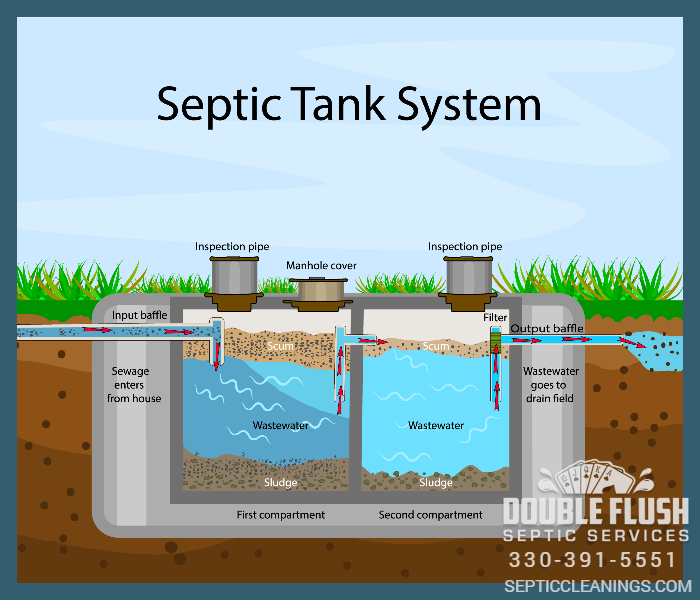
- Pro Tip: Encourage water-saving habits! It's good for your wallet, good for the environment, and great for your septic tank.
3. The Dreaded Garbage Disposal: Your Septic Tank's Frenemy
Ah, the garbage disposal. So convenient, so tempting. But here's a secret: your septic tank absolutely detests it. Food scraps, even ground-up ones, are solids. And solids are what fill up your tank. Using a garbage disposal frequently can drastically shorten the time between pumpings, sometimes cutting that 3-5 year window in half or more! Think of your compost bin or trash can as your septic tank's best friends for food waste.
4. What NOT to Flush: The Unsung Heroes of Septic Longevity
This one is crucial and often overlooked. Your septic system is designed to break down human waste and toilet paper (specifically septic-safe toilet paper!). Anything else is a foreign invader. We're talking about:
- Wipes (even "flushable" ones): They don't break down!
- Feminine hygiene products.
- Diapers.
- Grease, oils, and fats: These solidify and create nasty clogs.
- Harsh chemicals: Bleach, drain cleaners – they kill the beneficial bacteria that help break down waste in your tank.
Stick to the "three P's" rule: pee, poop, and (toilet) paper. Your septic system will thank you profusely!

Spotting the Signs: Is it Pumping Time?
Even if you're on a 3-5 year schedule, it's wise to be a vigilant homeowner. Your septic system often gives you clues when it's nearing capacity:
- Slow drains or gurgling toilets: Your plumbing sounds like it's having a conversation with itself.
- Odors: Unpleasant smells in your yard or, heaven forbid, inside your home.
- Wet spots or unusually lush grass: Over your drain field. This could indicate a problem, not just a thirsty lawn!
- Sewage backup: The ultimate warning sign that you've waited too long!
If you notice any of these, don't delay! Call a septic professional to assess the situation.
The Uplifting Takeaway: Be a Home Hero!
Okay, so maybe "septic tank pumping" isn't going to be your next dinner party conversation starter. But understanding and proactively managing your septic system is a truly empowering act of homeownership!
It's about being responsible, resourceful, and ultimately, ensuring your home remains a sanctuary of comfort and convenience. By sticking to a smart pumping schedule (based on your unique family of four!), being mindful of what goes down the drain, and knowing the warning signs, you're not just preventing a potential headache; you're actively contributing to the health of your home and the environment.
So, go forth, brave homeowner! Take charge of your underground infrastructure. Get to know your septic system, schedule that routine pumping, and enjoy the profound peace of mind that comes with knowing you're truly caring for every aspect of your beloved home. You're not just managing a tank; you're building a happier, healthier future for your family. Isn't that inspiring?