
How Often Should You Pump Out Your Septic Tank

Ever wondered what's going on beneath your lawn? No, not buried treasure (though a well-maintained septic system is a treasure in its own right!), but that often-overlooked, quiet workhorse: your septic tank. For those of us living outside the city sewer grid, this underground marvel is literally the backbone of our home's plumbing. And like any good system, it needs a little TLC to keep humming along happily.
But here's the big question that probably pops into mind for many homeowners: How often should you pump out your septic tank? Is it an annual thing, every few years, or do you just wait until things get… interesting? Let's dive in with a chill vibe and figure it out!
Why Does It Even Need Pumping?
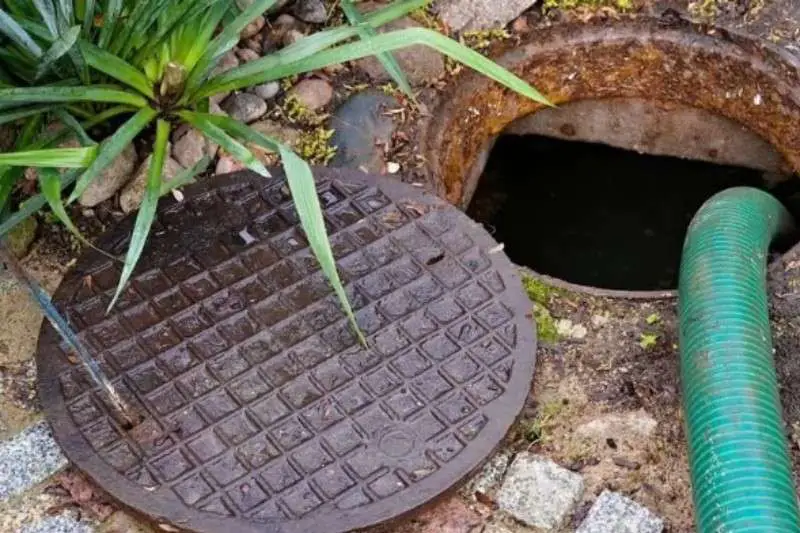
First, a quick, friendly peek inside. Imagine your septic tank as your home's personal, quiet digestive system. All the water from your sinks, showers, toilets, and laundry goes into this large, watertight container. Inside, the magic (well, science!) happens:
Must Read
- Solids (or "sludge") sink to the bottom.
- Fats, oils, and grease (or "scum") float to the top.
- In between, a layer of liquid wastewater (effluent) sits.
Beneficial bacteria work hard to break down some of the solids, but not all of it. Over time, that layer of sludge and scum builds up. If it gets too thick, it starts to clog things up and can even escape into your drain field, leading to a much bigger (and pricier!) headache. Think of it like a continually filling coffee filter – eventually, you've got to empty the grounds, or nothing's getting through!
So, What's the Magic Number? (Spoiler: It Depends!)
Alright, let's get to the heart of the matter. The most common advice you'll hear is to have your septic tank pumped every three to five years. But here's the thing: that's a general guideline, not a hard-and-fast rule etched in stone. Your personal "pumping schedule" is a bit like asking how often you should water a plant – it really depends on a few key ingredients:

1. Your Household Size: More People, More Fun (and More Waste!)
This one's pretty intuitive, right? A single person living alone will put much less stress on a septic system than a bustling family of five. More showers, more flushes, more laundry means more water and more solids entering the tank.
More people = more frequent pumping.
2. Septic Tank Size: Bigger is Usually Better
Just like a bigger pantry holds more groceries, a larger septic tank can hold more sludge and scum before it gets "full." Standard residential tanks can range from 750 to 1,500 gallons or more. Knowing your tank's capacity helps you understand its limits.
Larger tank = potentially less frequent pumping.
3. Water Usage Habits: Are You a Water Wizard or a Water Waster?
While the septic tank primarily deals with solids, excessive water usage can sometimes push solids through the system faster than they can settle, or simply fill up the tank more quickly, leading to earlier overflow. Think long, daily power-showers for everyone, multiple loads of laundry every day, and a leaky toilet.
High water usage = may need more frequent checks.

4. The Mighty Garbage Disposal: A Septic System's Arch-Nemesis (Sometimes)
Ah, the convenience of a garbage disposal! But here's the kicker: anything that goes down it is essentially solid food waste being sent directly to your septic tank. This adds a huge burden, rapidly increasing the sludge layer. Many septic experts will tell you to either avoid using a garbage disposal altogether or be prepared to pump much more often (possibly every 1-2 years!).
Frequent garbage disposal use = significantly more frequent pumping.
Signs Your Septic Tank Might Be Sending an SOS:
Your septic tank usually doesn't send you a text message, but it does have ways of communicating when it's feeling overwhelmed. Pay attention to these red flags:
- Slow Drains: Are your sinks and tubs draining sluggishly, even after you've tried to clear clogs?
- Gurgling Sounds: Hearing strange gurgling noises from your pipes or toilets? That's not a friendly ghost; it could be trapped air or backing up.
- Foul Odors: Nasty smells indoors (from drains) or outdoors (near the tank or drain field) are a big sign of trouble.
- Standing Water: Puddles or unusually lush, green patches in your drain field area could mean effluent is seeping to the surface. Yikes!
- Sewage Backup: This is the absolute last resort, and trust us, you don't want to get to this point!
The Cool Benefits of Being Proactive:
Treating your septic tank right isn't just about avoiding a stinky disaster; it's about being a smart homeowner and protecting your investment.
- System Longevity: Regular pumping extends the life of your entire septic system, especially the drain field, which is super expensive to replace.
- Cost Savings: Preventing major backups and drain field failures will save you a fortune in emergency repairs.
- Peace of Mind: Knowing your system is healthy and happy is priceless.
- Environmental Responsibility: A well-maintained system prevents untreated wastewater from contaminating groundwater.
So, don't let your septic tank be the out-of-sight, out-of-mind mystery. Take a curious approach, understand your household's unique needs, and if in doubt, chat with a local septic professional. They can inspect your system, check sludge levels, and give you personalized advice. It’s a small effort that pays off in a big, clean, and wonderfully non-stinky way!
