How Often Should You Change Carbon Monoxide Detector

You know that cozy feeling, right? Curled up on the couch, a warm drink in hand, maybe a gentle movie playing. Your home, your sanctuary. It’s filled with all sorts of things we cherish, from fluffy throw blankets to that slightly-too-loud coffee maker. And then there are the silent guardians, the unsung heroes of our domestic bliss. The fire alarms, the smoke detectors, and that often-overlooked little gadget we all have: the carbon monoxide detector.
It’s easy to treat these unassuming sentinels like permanent fixtures, like the kitchen sink or that stubborn squeak in the hallway floor. We install them, we test them (sometimes!), and then we mostly forget about them. They just sit there, humming away, doing their important job of keeping us safe from an invisible killer. But here’s a little secret, a piece of information that might just make you do a double-take over your morning toast: your trusty carbon monoxide detector isn't actually meant to last forever. Shocker, right? It’s not a family heirloom; it actually has a shelf life!
The Great Detector Reveal: It Has an Expiration Date!
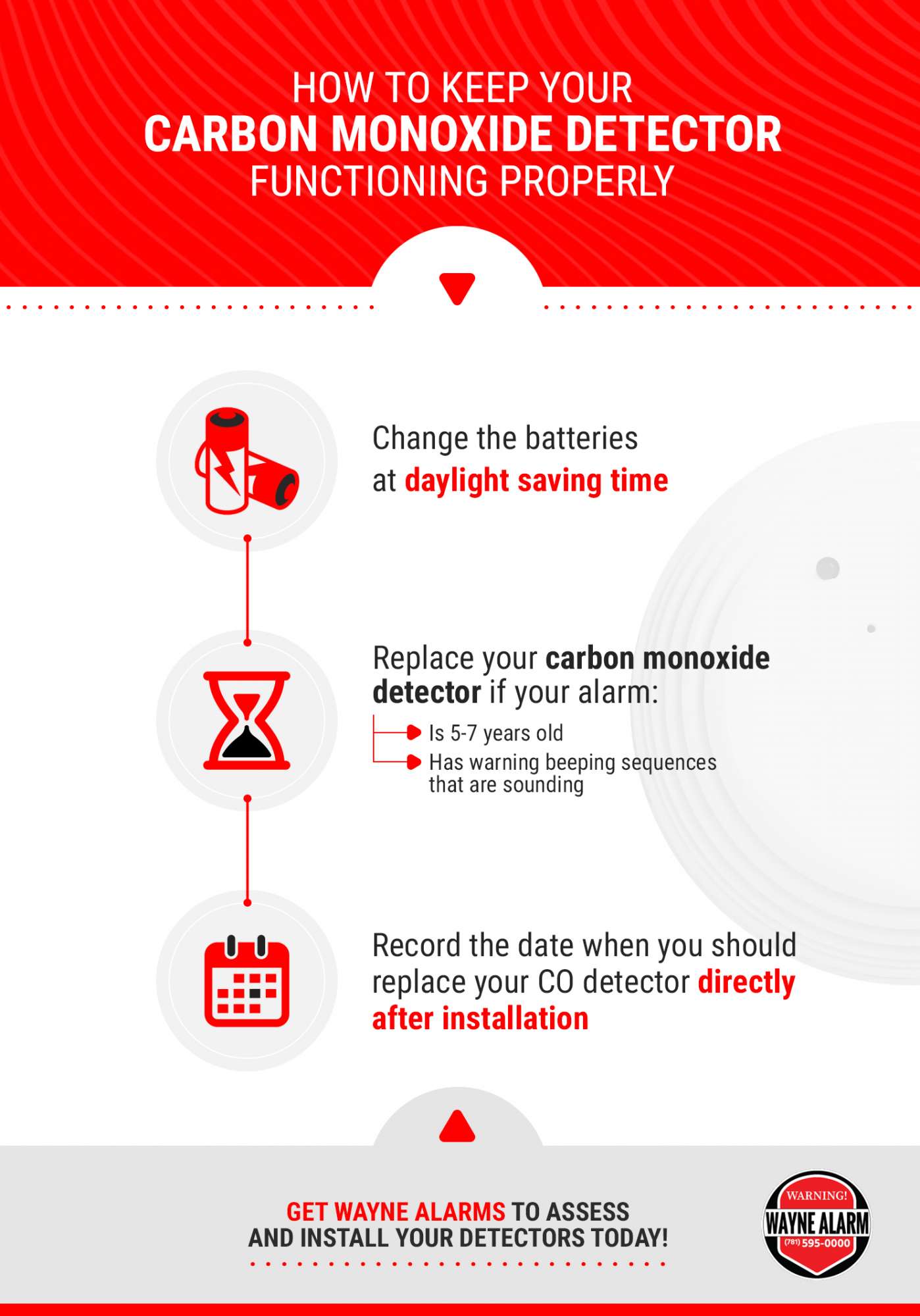
I remember the first time someone told me this. My jaw practically hit the floor. "Wait," I thought, "my CO detector has an expiration date? It's not a carton of milk, is it?" It turns out, just like that favorite pair of sneakers that eventually wears out, or even that trusty old car that eventually needs to retire, our carbon monoxide detectors have a finite lifespan. Typically, these diligent little devices are designed to keep us safe for about five to seven years. Yes, you read that right. Five to seven years. After that, their internal sensors, the tiny little brains that sniff out danger, start to get a bit… tired. A bit less sensitive. A bit like us trying to remember where we put our keys on a Monday morning.
Must Read
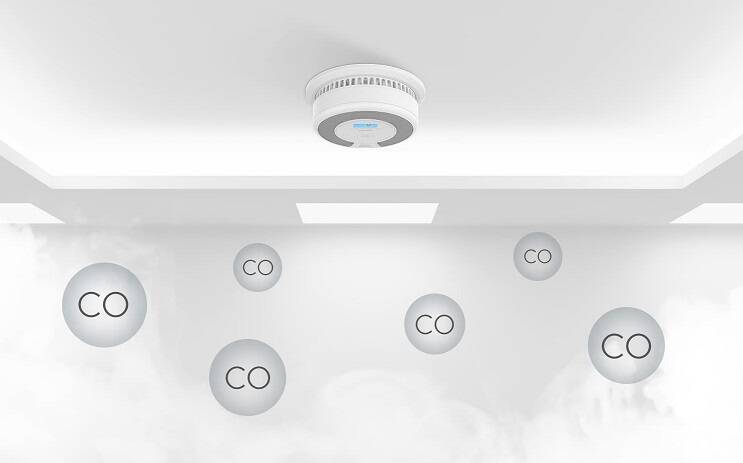
So, why is this important? Because carbon monoxide is a truly sneaky villain. It’s colorless, odorless, and tasteless. It gives no warning signs to our human senses. It truly is the silent ninja of household hazards, capable of causing serious illness or worse, without you ever knowing it's there. That little detector is literally your only line of defense. And if it's past its prime, it might not be able to raise the alarm when it truly matters. Think of it this way: you wouldn't send a superhero into battle with a cape that's full of holes, would you? We need our heroes to be in tip-top shape.
Making Detector Care a Fun, Family Affair
Now, before you panic and start ripping every detector off the wall, let's make this fun! Because keeping our homes safe doesn't have to be a chore; it can be a loving, proactive act. Most detectors have a manufacturing date printed on the back, or sometimes even an "install by" or "replace by" date. It’s like finding a secret message from the past! Take a moment, grab a step stool, and gently detach your detector. Give it a friendly pat on the back (figuratively speaking) and check its "birth certificate." If it's pushing past that five to seven-year mark, it’s probably time to lovingly send it off to a well-deserved retirement.
How do you remember to do this regularly? Here's where the fun really begins!
"Instead of dreading the task, why not turn it into an annual household tradition? Make it a 'Detector Detective Day'!"You could link it to something memorable, like the day you change your clocks for daylight saving time, or perhaps even your pet's birthday! My neighbor, a wonderfully quirky woman, throws a small "Detector Birthday Party" every year for hers. She buys a small pack of replacement batteries, and her grandkids help her check the dates and press the test button on each one, celebrating their silent guardians. It’s heartwarming, a little silly, and incredibly effective.
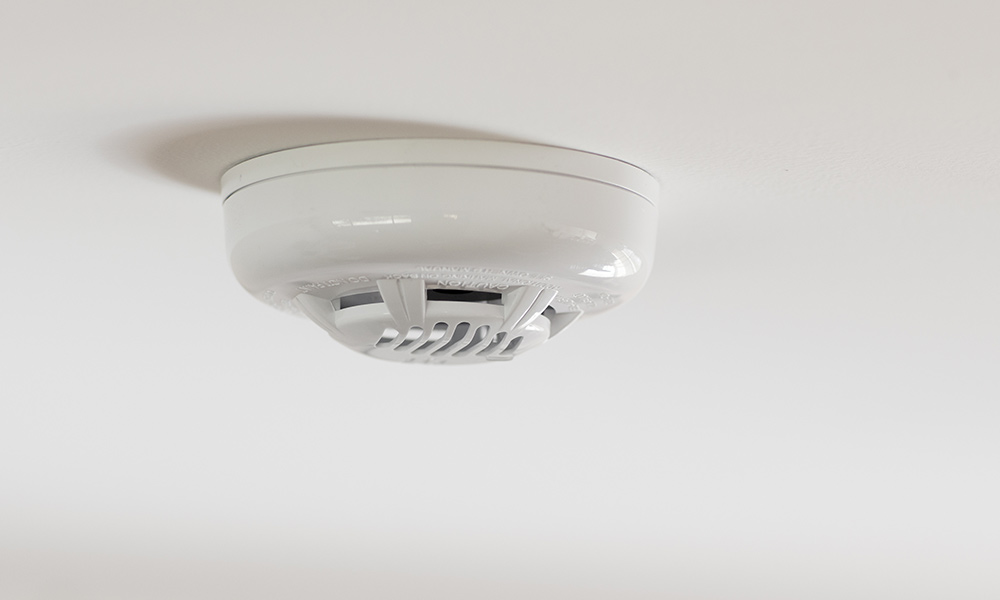
Pressing that test button is also super important. Think of it as giving your detector a quick "hello, are you there?" check-up. If it chirps back at you, great! If it doesn't, or if you hear a continuous, low battery chirp, it’s time for some fresh batteries, and perhaps, a closer look at that expiration date. A simple swap of batteries twice a year, perhaps when you change your clocks, keeps it fueled for action.
So, next time you're lounging in your perfectly cozy home, take a moment to give a little mental nod to that humble carbon monoxide detector. It’s more than just a piece of plastic on the wall; it’s a vital, temporary protector with a job to do. Knowing when to give it a loving send-off and welcome a new one isn’t just about safety; it’s about nurturing your home, caring for your loved ones, and ensuring that your sanctuary remains just that: a place of comfort and peace, free from unseen threats. Happy detecting!