
How Often Should Septic Tanks Be Emptied

Alright, let's talk about something a little… unglamorous, but super important for anyone living the good life with a septic system. We're diving into the mysterious world beneath your lawn: your septic tank! And specifically, the big question: how often should you actually get that thing emptied?
Honestly, it's one of those things you probably don't think about until, well, you have to. And by then, it might be a bit late, if you catch my drift. Think of it like changing the oil in your car – you know it needs doing, but the exact timing can feel a bit fuzzy, right?
The Million-Dollar Question: How Often?
So, the short answer to "how often?" is the one you probably hate: it depends! I know, I know, not exactly the straightforward answer you were hoping for. But stick with me, because figuring out your personal septic schedule is easier than you think, and it all boils down to a few key factors. It's like a little puzzle, but way less frustrating than assembling IKEA furniture.
Must Read
Factor #1: How Many Buddies Are Using It?
This is probably the most obvious one. Think about it: a single person living alone will put way less strain on a septic system than, say, a family of five with three teenagers who take epic 30-minute showers. More people equals more… well, stuff going down the drains. And that means more sludge building up in the tank. Simple math, really!
Factor #2: The Size of Your Septic Tank
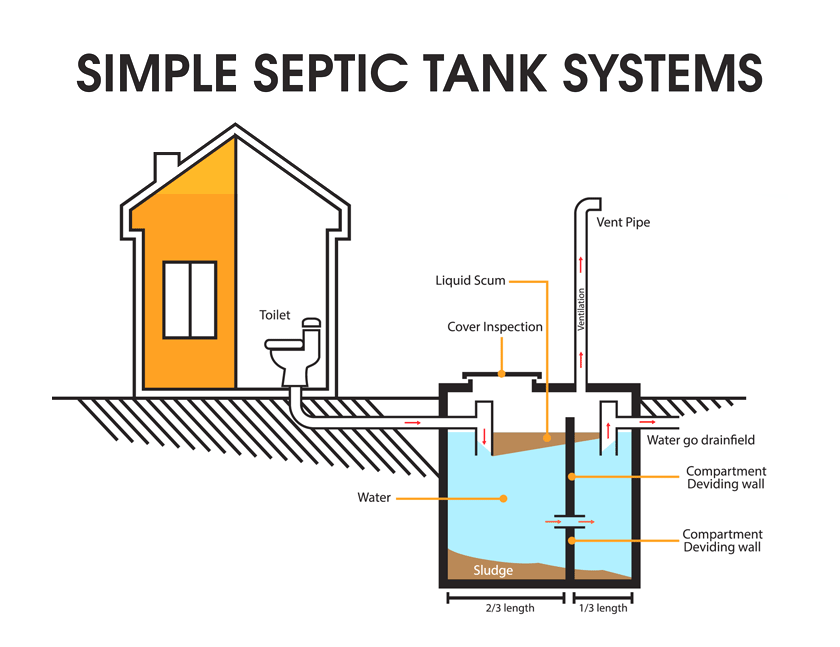
Not all tanks are created equal! Your tank has a specific capacity, measured in gallons. A bigger tank can handle more waste before it needs emptying. If you've got a dinky little tank serving a bustling household, you're going to need more frequent pumping than someone with a massive tank and just one or two residents. Makes sense, right? It's like having a bigger pantry – you can stock more before you need to go grocery shopping again.
Factor #3: Your Water Usage Habits (Be Honest!)
Are you a water-guzzler? Long, steamy showers? Running the dishwasher twice a day? Doing laundry non-stop? All that water eventually ends up in your septic tank, even if it's just the liquid effluent. While the system is designed to separate solids from liquids, excessive water can stir things up, push solids out into your drain field prematurely, or just fill the tank faster. Be kind to your water meter, and your septic system will thank you!
Factor #4: What You're Flushing (The Big No-Nos!)
This is a biggie, folks. Your septic tank is a delicate ecosystem. It relies on good bacteria to break down waste. So, when you flush things that shouldn't go down – think "flushable" wipes (they're lying!), feminine hygiene products, cotton swabs, excessive grease, harsh chemicals, paints, or even coffee grounds – you're essentially sabotaging your system. These items don't break down properly, contributing to sludge buildup faster and messing with your helpful bacteria. It's like throwing a wrench into the gears!

So, What's the General Rule of Thumb?
Okay, with those factors in mind, here's a rough guideline: most experts recommend having your septic tank inspected and pumped every 3 to 5 years for a typical household. However, if you've got a large family or a smaller tank, you might lean towards that 3-year mark, or even more frequently. Conversely, if you're a single person with a large tank, you might be able to stretch it to 5 years, or maybe even a tad longer if everything looks great during an inspection.
The key here is inspection. A professional can look at the sludge and scum layers and tell you precisely when it's time for a pump-out, rather than just guessing. It's like getting your car checked by a mechanic before it starts making funny noises.
Warning Signs You Might Be Overdue (The "Oh Crap" Moments)
Sometimes, your septic system will try to tell you it's unhappy. Don't ignore these subtle (or not-so-subtle) hints:
- Slow Drains: Are your sinks and tubs draining like molasses in winter? This could be a sign.
- Gurgling Toilets: Is your toilet making weird noises after flushing? It's not happy.
- Nasty Odors: If you start smelling sewage, either indoors or outside near your tank or drain field, that's a big red flag. Who wants that?
- Soggy Spots in Your Yard: Are there unusually wet, lush, or squishy areas around your septic tank or drain field, especially after it hasn't rained? Uh oh. That's untreated wastewater surfacing, and it's not good news.
- Sewage Backups: The ultimate "I told you so!" from your septic system. If sewage starts backing up into your house… well, you know what to do (call the pros, STAT!).
Why Bother Pumping Regularly? It's About Saving Your Bacon (and Your Bank Account)!
I get it, nobody wants to spend money on pumping out their septic tank. It's not a fun purchase like a new gadget or a fancy dinner. But trust me, regular maintenance is like an insurance policy against a far bigger, much nastier, and way more expensive problem. We're talking about drain field failure, complete system replacement, or a truly horrifying sewage backup. Those kinds of repairs can run into the tens of thousands of dollars. Suddenly, a few hundred bucks for a pump-out doesn't sound so bad, does it?
So, do yourself a favor. Get familiar with your septic system, schedule those regular inspections and pump-outs, and be mindful of what goes down your drains. Your nose, your wallet, and your future self will thank you for being a responsible septic owner. And hey, now you're practically an expert – go forth and share your wisdom (maybe not over coffee, though!).
