
How Often Should A Smoke Detector Battery Be Changed

Alright, settle in, grab your coffee. We need to talk about that one sound. You know the one. That ear-splitting, anxiety-inducing, utterly infernal chirp that always, always, seems to kick off at 3 AM. It’s the battle cry of a dying smoke detector battery, and honestly, it’s a modern-day mystery worthy of a Netflix documentary. How often should you change that tiny power cell? Let's dive in, shall we?
The Soundtrack to Your Sleepless Nights
Picture this: you're in a deep, peaceful sleep, maybe dreaming you're winning the lottery or finally mastering sourdough. Then it hits. A sharp, insistent, single "BEEP!" from somewhere in your ceiling. You jolt upright. Is it a fire? An intruder? No, dear reader, it’s just your smoke detector staging a dramatic exit, letting you know its 9-volt heart is giving out. It sounds like a tiny, dying bird trapped in a tin can, doesn't it? And it has a bizarre knack for choosing the most inconvenient hour to make its presence known.
Why does it do that? Because batteries, bless their little hearts, don't just go from 100% to 0% in an instant. They slowly lose juice. And when they get to a critical low, the detector has a built-in alarm system for itself. It's not judging your midnight snack habits; it's simply screaming, "Hey! I'm running on fumes here! Pay attention!"
Must Read
The Official Word: The Annual Rite of Passage
So, what’s the official, no-nonsense answer from the folks who really know, like the fire department and safety experts? Brace yourself: you should be changing your smoke detector batteries at least once a year. Yes, annually. Mark it on your calendar, tie a string around your finger, get a tattoo of a battery if you must.
Why annually? Because even if it's not chirping yet, that battery is getting tired. It might not have enough oomph to sound the alarm effectively when it truly matters. Think of it like a yearly check-up for a tiny, essential robot protecting your home. You wouldn't skip your car's oil change (well, maybe you would, but you shouldn't), so don't skip this!
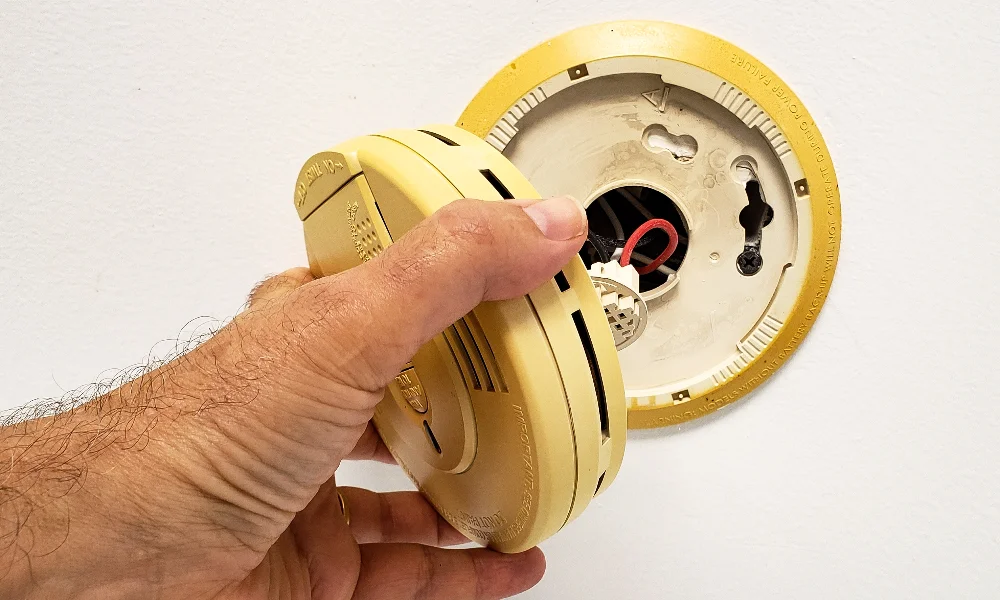
When to Do It: The Daylight Saving Hack (or Any Memorable Day)
To make this annual pilgrimage to your ceiling a little easier, safety gurus often suggest linking it to a memorable event. The most popular choice? Daylight Saving Time. When you "spring forward" or "fall back," use that extra (or lost) hour to spring to action and fall into the habit of changing those batteries. It's brilliant! You're already messing with clocks; why not add another essential household chore?
No, your smoke detector isn't actually affected by time zones. It just gives you a convenient, twice-a-year reminder. If Daylight Saving isn't your jam, pick another anchor: your birthday, New Year's Day, your pet's adoption anniversary. Whatever works! The key is consistency.
But Wait, There's a Catch (or Two)!
Now, here's where things get interesting, and possibly, surprisingly less annoying. Not all smoke detectors are created equal. You might have one of two types:
The Old-School, Replaceable Battery Crew
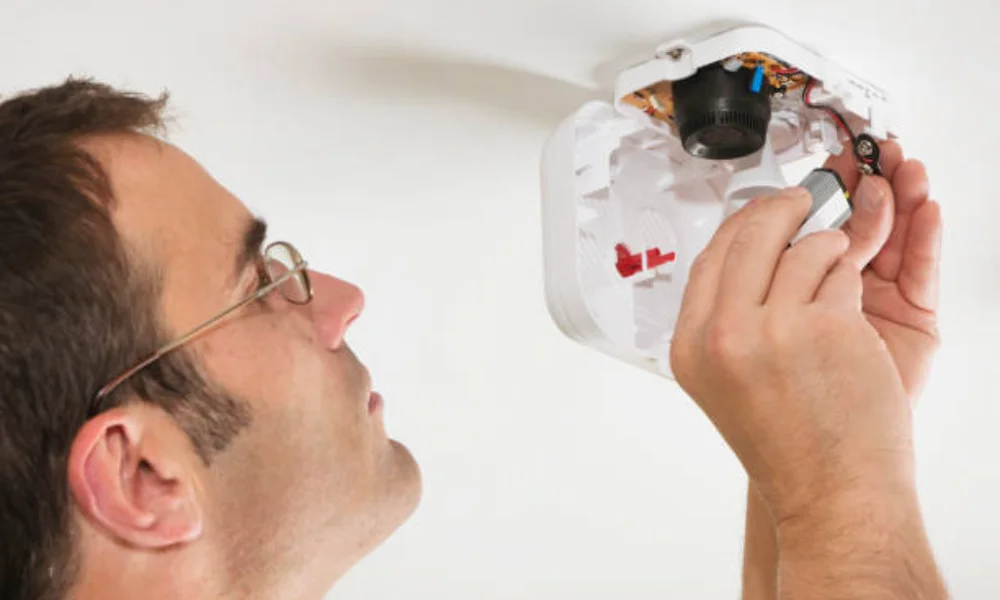
These are your classic 9-volt warriors (or sometimes AA batteries) that you pop in and out. For these, the annual change is non-negotiable. Always have spares. Seriously, buy a pack now. They will become your best friends at 3 AM.
The Fancy, 10-Year Sealed Battery Models
Hold the phone! Did you know some modern smoke detectors come with a sealed, non-replaceable lithium battery designed to last for 10 years? It's true! These are like the unicorns of the smoke detector world – they require virtually no battery maintenance for a decade. Once the 10 years are up, you simply replace the entire unit. If you've got these, congratulations, you've unlocked a higher level of domestic tranquility. But remember to check the manufacture date on the unit itself!
The Golden Rule: Test, Test, Test!
Regardless of the battery type, there's another crucial step: Test your smoke detectors monthly! Yep, once a month. Just press that little test button. It should emit a loud, piercing shriek. If it doesn't, or if it's a weak cough, you've got a problem. Either the battery is dead (time to change it, pronto!), or the unit itself needs replacing. Think of it as a tiny game of "Is it still working?" with potentially life-saving stakes.

And speaking of replacing, did you know smoke detectors themselves have an expiration date? Most units should be replaced every 10 years, even the ones with 10-year batteries. They don't last forever. The sensors get dusty, less effective, and frankly, a bit grumpy with age. Look for the manufacture date on the back of the unit.
Don't Just Silence the Beep!
One last, vital piece of advice: When that infernal chirp starts, don't just pull the battery out and forget about it! That's like taking the tires off your car because they're flat. A silent smoke detector is a useless smoke detector. Replace that battery immediately. Seriously, stop reading this and go do it if yours is chirping right now. Your sleep, and potentially your life, depends on it.
So, there you have it. The secret life of your smoke detector battery. Change it annually (or every 10 years for sealed units), test it monthly, and for goodness sake, don't let that tiny chirp turn into a full-blown crisis. Now, if you'll excuse me, I think I just heard a faint beep...