
How Often Should A Septic Tank Be Serviced

Hey there, homeowners! Let’s have a little chat about something that probably isn’t high on your list of exciting topics, but trust me, it’s super important. We're talking about your septic tank. Yes, that mysterious underground guardian of your household waste. It’s not exactly a glamorous subject, is it? More like the quiet, hardworking friend who never asks for much attention… until it absolutely, positively needs it.
Think of your septic tank a bit like your car’s oil change. You wouldn’t just drive your car for years and years without ever changing the oil, right? Eventually, things would get pretty gunked up, the engine would seize, and you'd be looking at a much bigger, much more expensive problem. Your septic tank operates on a similar principle, but instead of oil, it's dealing with... well, everything that goes down your drains.
Why Does My Septic Tank Even Need Attention?
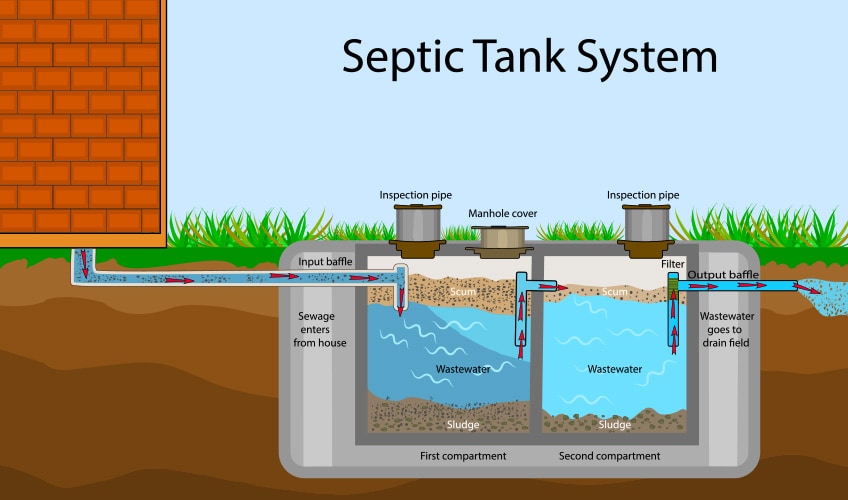
Okay, so what happens down there? Basically, your septic tank is a mini wastewater treatment plant. Solids sink to the bottom (that's the sludge), lighter stuff like grease and oils float to the top (that’s the scum), and the liquid in the middle (effluent) flows out to your drain field. Bacteria in the tank work tirelessly to break down the solids, but they can only do so much.
Must Read
Over time, that sludge and scum layer builds up. And if it builds up too much? That’s when you run into trouble. Picture this: you're enjoying a relaxing evening, maybe soaking in a nice bath, and suddenly – gurgle, gurgle! – water starts backing up into your shower. Or worse, you flush the toilet, and it decides to stage a dramatic overflow, turning your bathroom into an unexpected water feature. Not fun, right?
Beyond the immediate "eww" factor of sewage backups, an overflowing septic tank can also cause some pretty nasty odors around your yard. Imagine trying to host a backyard barbecue with that aroma wafting through the air! It's not exactly the scent of summer.

And then there’s the big one: a damaged drain field. If too much sludge escapes the tank and clogs up your drain field, that’s a major issue. Replacing a drain field can cost tens of thousands of dollars. We're talking "new car" money here, just to fix something that could have been prevented with regular maintenance. Suddenly, that humble septic tank isn't so boring anymore, is it?
So, How Often Is "Often Enough"?
Alright, let’s get to the nitty-gritty. The general rule of thumb for most households is to have your septic tank pumped every three to five years. Yes, that's it! Not every month, not every year, but usually somewhere in that sweet spot.
However, like most things in life, there are a few factors that can nudge that timeline a bit:

1. How Many People Are In Your Home?
Think of it this way: a single person living alone generates less waste than a bustling family of five. More people means more water usage, more flushes, more laundry, more showers – which means your septic tank fills up faster. If you've got a busy household, you might lean towards that three-year mark.
2. What's Your Tank Size?
Just like a bigger lunchbox can hold more snacks, a larger septic tank can hold more waste before it needs pumping. Your tank’s capacity (usually measured in gallons) plays a big role. A smaller tank for a bigger family? You'll need more frequent pumping.
3. Are You a Water-Wise Wizard or a Water-Waster Warrior?
Excessive water use puts a lot more strain on your septic system. Long showers, constantly running dishwashers, and especially that glorious garbage disposal can send a lot of extra solids and liquids into your tank. If you're heavy on the garbage disposal, you might need to pump more often, as it adds a lot of solids that don't break down easily. Consider it a special treat for your septic tank to avoid sending too much food waste down there!
4. Do You Have a Garbage Disposal?
We just touched on this, but it’s worth its own bullet point. Garbage disposals are fantastic for convenience, but they are not your septic tank's best friend. They grind up food scraps into tiny bits, but these bits often contribute to the sludge layer much faster than other waste, and they can be harder for the bacteria to break down. If you use one regularly, consider increasing your pumping frequency to every 2-3 years.
What Does "Servicing" Actually Mean?
When we say "service" or "pump" your septic tank, it means a professional comes out, locates your tank, opens it up, and uses a big vacuum truck to suck out all the accumulated sludge and scum. They'll also typically inspect the baffles (internal walls that help separate the solids from the liquids) and check for any potential issues. It's a quick, relatively clean process, and it leaves your tank ready to quietly do its job again for years to come.

The Benefits: Peace of Mind and Happy Wallets
Regular septic tank servicing isn't just about avoiding a smelly disaster; it's about being smart and proactive. Investing a few hundred dollars every few years can save you thousands (or even tens of thousands!) in emergency repairs. It’s like buying insurance, but for your underground plumbing system.
Plus, knowing your system is healthy gives you incredible peace of mind. No more crossing your fingers every time you flush! Your lawn stays green (without any suspicious soggy spots), your home stays fresh, and you avoid the kind of plumbing drama that no one ever wants to talk about at dinner parties.
So, take a moment to be a good friend to your septic tank. Check your records, ask your neighbors (especially if you're in a new home), or give a local septic professional a call. A little bit of attention now can prevent a whole lot of headache (and expense!) down the road. Your nose, your wallet, and your happy home will thank you for it!