
How Often Should A Septic Tank Be Pumped Out
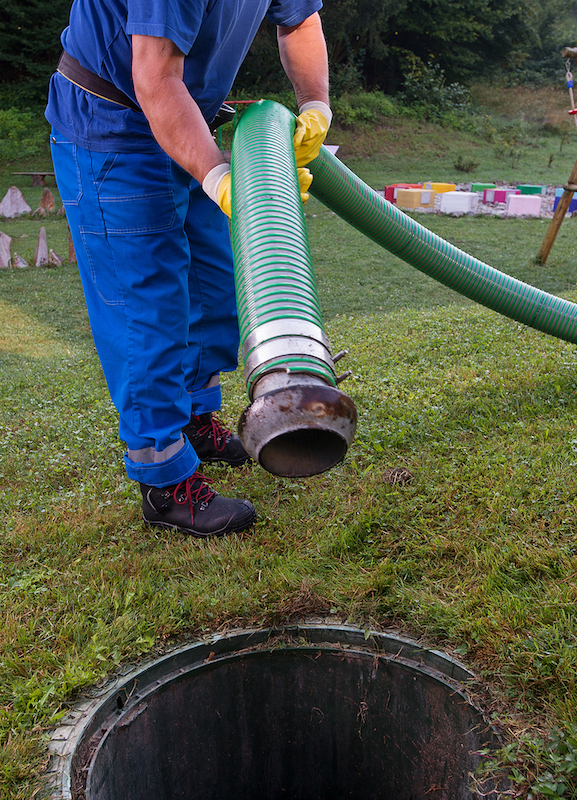
Alright, gather 'round, folks! Pull up a metaphorical chair and grab your imaginary coffee, because we're about to delve into a topic rarely discussed at fancy dinner parties, but absolutely crucial for anyone living the country dream: your septic tank. Yes, that silent, subterranean superhero dealing with all your, shall we say, personal business. It’s not glamorous, but it’s a heck of a lot cheaper than municipal sewer bills – if you treat it right.
Now, the million-dollar question: “How often should a septic tank be pumped out?” Is it a yearly ritual, like taxes? Or more like that gym membership you keep forgetting about? Let's unearth the truth, shall we?
The Big Gunk Theory: Why Pumping is Even a Thing
Think of your septic tank as your home’s very own, highly efficient (when happy) underground gastrointestinal system. Everything you flush or send down the drain ends up here. Solids settle to the bottom as sludge. Lighter stuff like grease floats to the top, forming a scum layer. In the middle? Relatively clear wastewater, which flows to your drain field to be naturally filtered. It’s a beautiful, if somewhat smelly, ecosystem.
Must Read
But here's the catch: those solids don't magically disappear. That sludge layer grows. If it gets too thick, it starts escaping into your drain field. And trust me, you do not want solid waste making a break for it into your drain field. That’s how expensive, messy problems are born.
The Golden Rule: 3 to 5 Years
The general, widely accepted wisdom – the septic tank commandment, if you will – is that most conventional septic tanks need to be pumped every three to five years. Mark it on your calendar, set a recurring alarm, tattoo it on your arm (maybe not that last one). This frequency helps ensure the sludge layer doesn't get out of hand, keeping your system happy and healthy.

But Wait, There's More! Factors That Bend the Rules
Your septic pumping schedule isn't always a rigid 3-5 years. Several factors can either speed up that timeline or, if you're lucky, stretch it out a bit. Let's dig into them:
1. How Many Bums on Seats? (Household Size)
A single person generates significantly less waste than a bustling family of five, three teenagers, and a dog who occasionally flushes himself. More people equals more wastewater, more solids, and therefore, a faster fill rate. A large family might need pumping every 2-3 years, while a smaller household could potentially go 5-7 years.
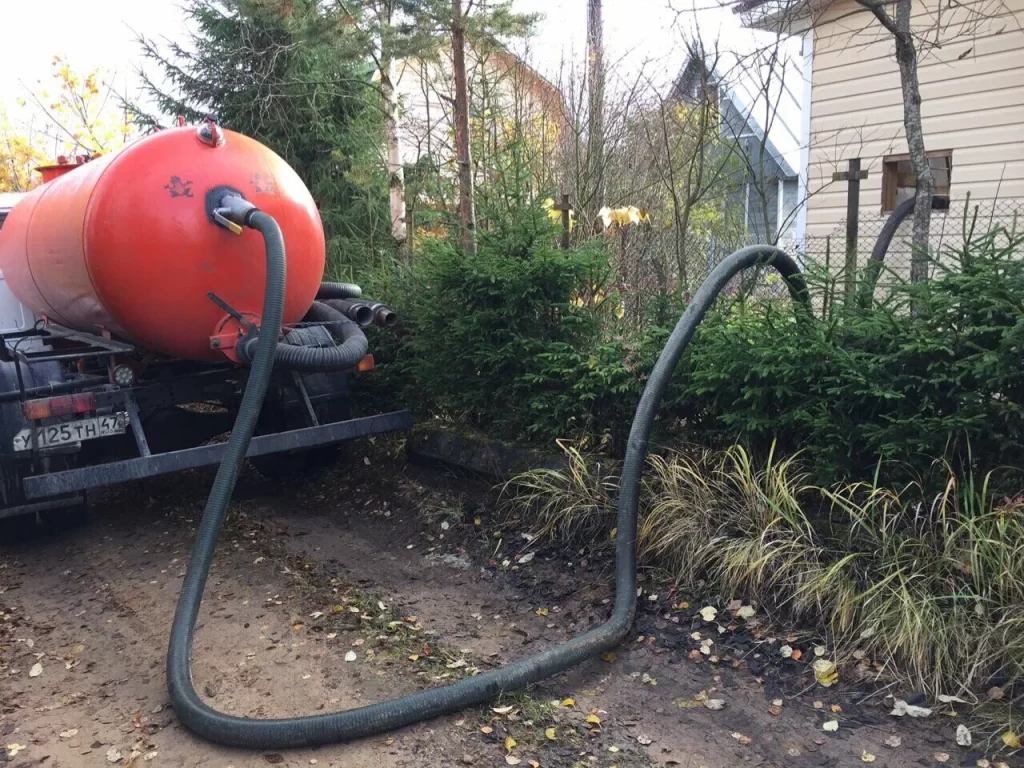
2. Your Water Usage Habits (The Shower Singer Syndrome)
Epic, 45-minute showers? Laundry like it’s a competitive sport? Excessive water usage can stir up solids, pushing them prematurely into the drain field. It also puts more strain on your entire system. Being mindful of water can definitely buy you some time.
3. The Dreaded Garbage Disposal (The Septic's Arch-Nemesis)
Oh, the garbage disposal. Your septic tank absolutely despises it. They turn solid food waste into tiny particles, sending them straight into your tank, adding massive amounts of extra solids and grease that take much longer to break down. If you're a heavy user, you'll likely need to pump every 1-2 years. Many septic experts will tell you to just say NO to the disposal altogether if you can!
4. Size Matters (Tank Capacity)
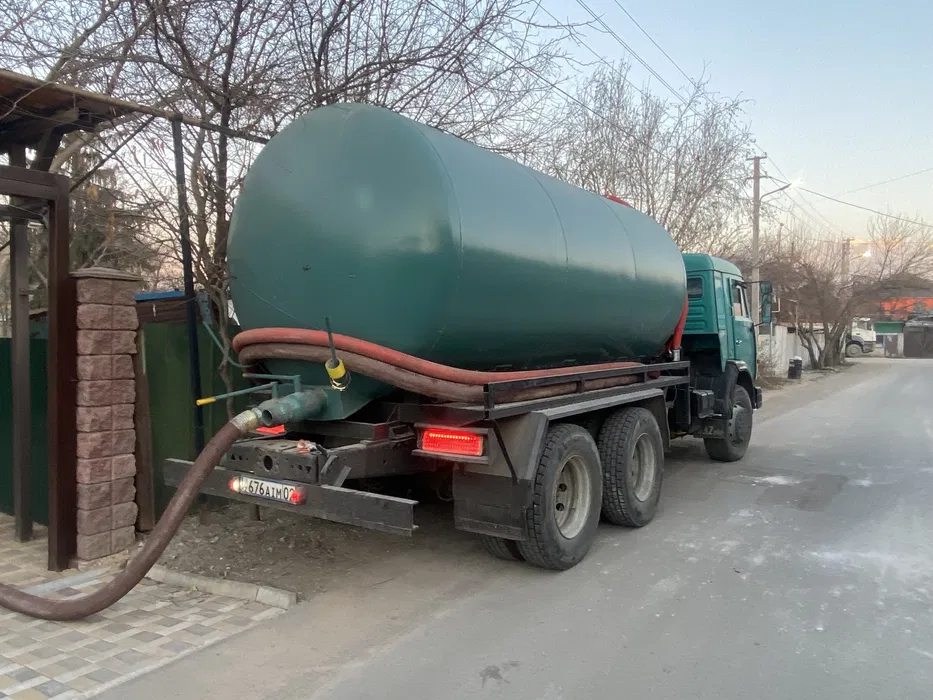
Just like a bigger backpack can hold more stuff, a larger septic tank (e.g., 1,500 gallons vs. 1,000 gallons) has more capacity for sludge to accumulate before pumping. This can give you a bit more leeway on frequency. It's like having a bigger pantry – fewer trips to the grocery store.
Signs It's Time to Call the Poop Patrol (Before Disaster Strikes)
Your septic tank won't send you a text, but it does give off some rather… unsubtle hints when it's reaching its limits. Pay attention to these:

- Slow Drains: Sinks, showers, tubs draining slower than a sloth on tranquilizers.
- Gurgling Toilets: Heard your toilet making strange noises after flushing? It might be crying for help.
- Nasty Odors: Smelling sewage in your yard (especially near the tank or drain field) or worse, inside your house. Red flag waving vigorously.
- Suspiciously Lush Green Patches: One spot in your yard, usually over the drain field, incredibly green and spongy, even in a drought? That's likely effluent escaping and fertilizing your lawn. Looks nice, but it's a huge problem.
- Standing Water: Puddles of smelly water in your yard.
The Cost of Neglect: More Than Just a Stinky Story
Ignoring your septic tank is like ignoring a ticking time bomb. Eventually, it will back up into your house (a truly nightmarish scenario involving very expensive cleanup), or your drain field will fail. A new drain field can cost tens of thousands of dollars. Pumping costs a few hundred. I think we know which one's the better deal, right?
Being a Septic Superstar: Tips for a Happy Tank
Want to be the envy of all your septic-owning neighbors? Here’s how:
- Mind Your Flushing: Only flush the "three Ps": pee, poop, and toilet paper. No wet wipes (even "flushable" ones, they lie!), feminine products, paper towels, or dental floss.
- Watch the Grease: Never pour grease or cooking oil down the drain.
- Be Water Wise: Fix leaks, use low-flow fixtures, space out laundry.
- Go Easy on the Chemicals: Harsh cleaners can kill beneficial bacteria.
- Know Your System: Find your tank and drain field. Keep heavy vehicles off.
- Get Inspections: Professional inspections can catch small problems early.
So there you have it! The definitive (and hopefully amusing) guide to septic tank pumping. It might not be the most glamorous chore, but taking care of your septic system is like taking care of a very important, very smelly pet. Neglect it, and it will bite you. Maintain it, and it will silently (and smell-free) serve you for years to come. Now, go forth and be a responsible septic owner!