
How Often Should A Septic Tank Be Cleaned
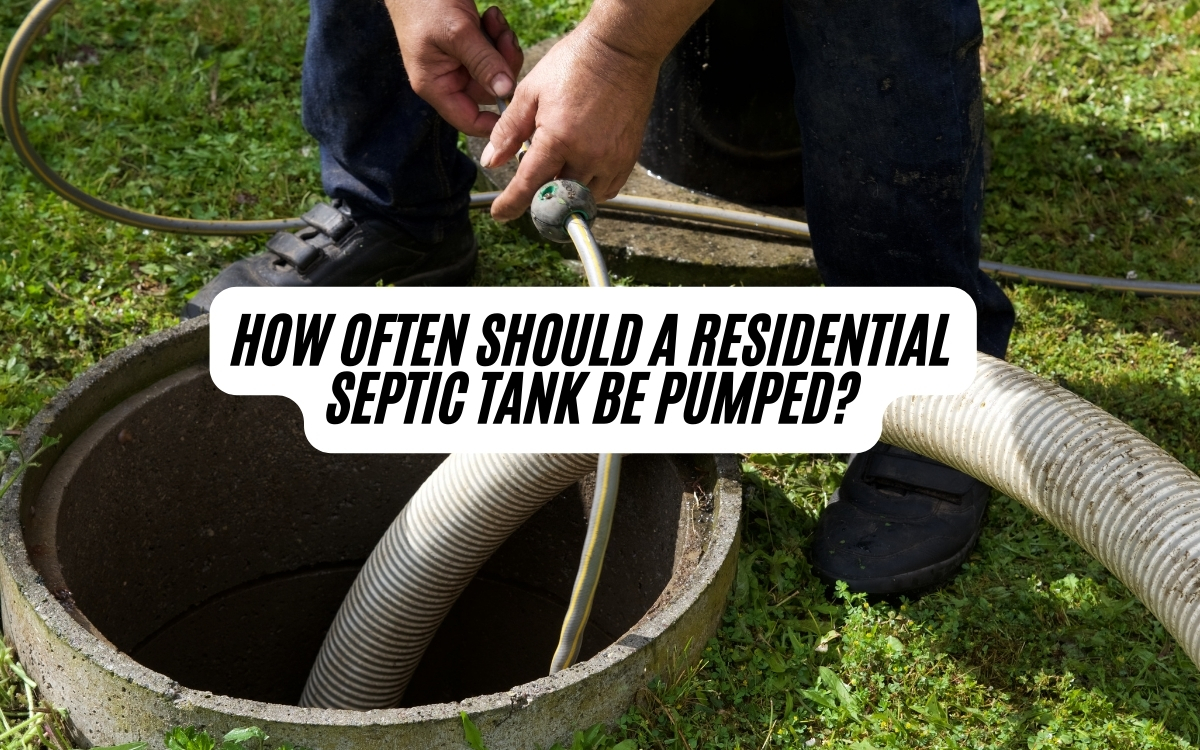
Okay, let's talk about something that rarely gets dinner-table conversation status but is quietly doing some heavy lifting behind the scenes: your septic tank. It’s one of those unsung heroes of homeownership, much like your dishwasher or that one responsible friend who always remembers to bring a corkscrew. We rarely think about it… until, well, we have to. And by then, you might be thinking, "Oops."
Think of your septic system like a very private, underground spa for all your household’s wastewater. It’s got a tough job, separating the good from the… not-so-good, and making sure everything flows smoothly out of sight, out of mind. But even the best spa needs a good clean-up now and then, right? Otherwise, you end up with some seriously unhappy guests, or in this case, some seriously unhappy pipes.
So, How Often Should This Underground Hero Get a Spa Day?
The general wisdom, the golden rule if you will, is to have your septic tank professionally pumped every three to five years. Yes, that’s quite a range! It’s like saying you should clean your garage sometime between "when you moved in" and "before you need to park your car in it again." But just like your garage, several factors can shift that timeline.
Must Read
Let's break it down, because not all septic tanks (or households) are created equal:
1. The Great Household Census: How Many People Live There?
This is probably the biggest factor. Think of it this way: a single person living alone is probably not going to fill up their fridge as fast as a family of five with three teenagers who seem to eat their weight in snacks daily. More people mean more showers, more toilet flushes, more laundry, and more dishes. So, if you've got a bustling household, you might lean towards the three-year mark.
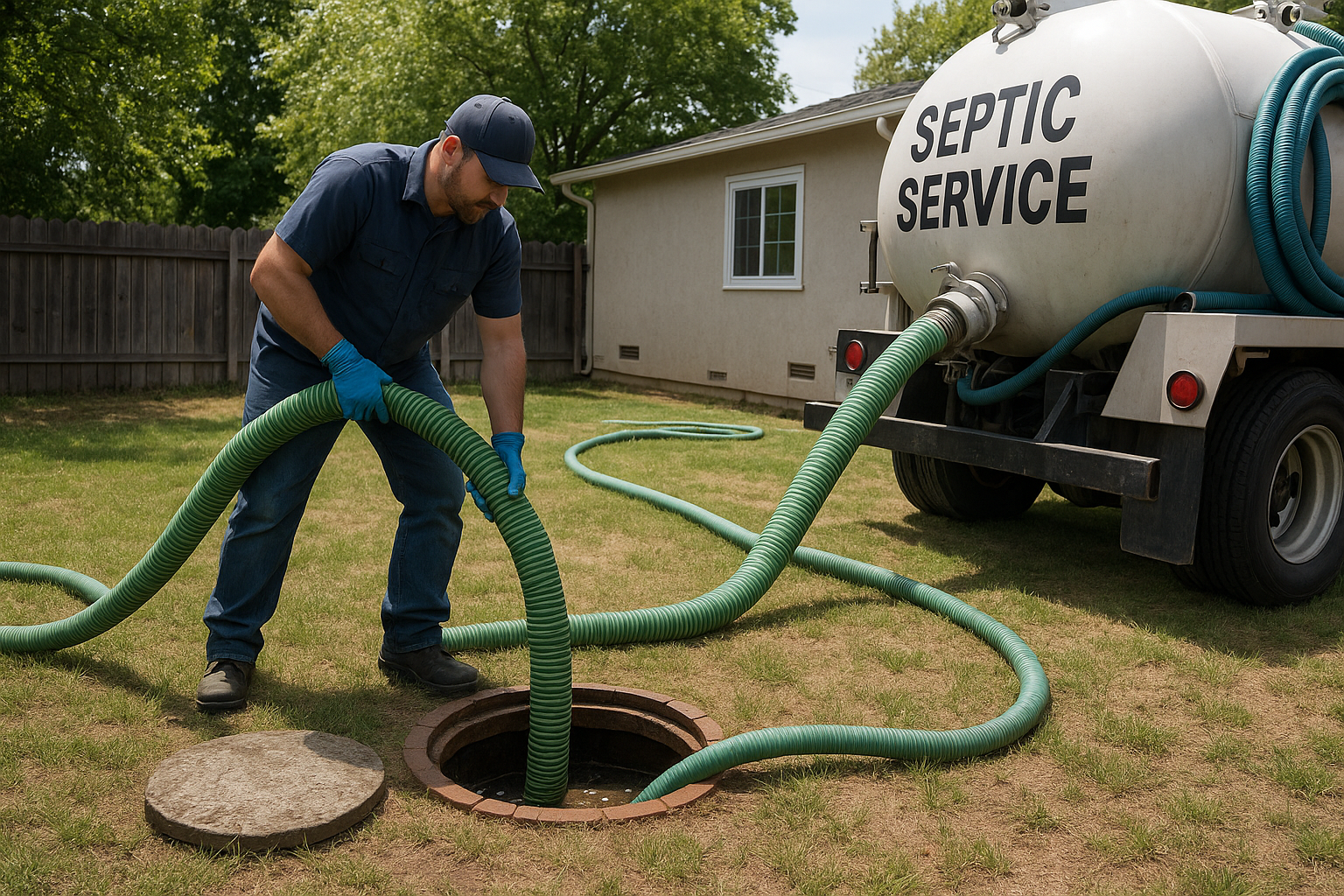
A couple or a single person? You might comfortably stretch it to five years. It's all about how much "stuff" is going into that tank. Simple, really, when you put it in terms of food disappearing from the pantry.
2. Your Water Habits: Are You a Waterbender or a Water-Saver?
We all love our long, hot showers, and who doesn't appreciate a good soak in the tub? But every drop of water that goes down your drain eventually lands in your septic tank. If you're running the dishwasher twice a day, doing laundry for a small army, and those showers are more like personal waterfalls, you're sending a lot more liquid (and solids) into your system.

Being mindful of your water usage can actually extend the life between pumpings. It's not just good for the planet; it's good for your septic tank's peace of mind (and your wallet!).
3. What Goes Down the Drain: The "No-Go" List
Your septic tank is designed to handle human waste and toilet paper. That's pretty much it. It is not a magical garbage disposal for everything else. Think wet wipes (even the "flushable" ones – liars!), paper towels, feminine hygiene products, cigarette butts, dental floss, cooking grease, coffee grounds, cat litter… The list goes on!

Flushing these things is like throwing a wrench into the delicate ecosystem of your tank. They don’t break down properly, they build up, and they can cause blockages that will make your septic system throw a huge tantrum. So, be kind to your toilet; it's not a trash can.
4. Tank Size Matters: Bigger is (Often) Better
Just like a bigger car has a bigger gas tank, a larger septic tank can handle more volume before needing a pump. Most residential tanks range from 1,000 to 1,500 gallons. If you have a smaller tank or an older system, it might need more frequent attention. It’s just math, really. More room means more buffer before things get cozy in there.

Warning Signs Your Septic Tank is Sending Smoke Signals
Even if you're meticulously planning your pump-out schedule, sometimes life happens, and your septic tank might send you a few "help me!" messages. These are signs that you might need to call for a pump-out sooner rather than later:
- Slow Drains: If your sinks and tubs are draining like molasses in winter, that's a pretty clear hint.
- Gurgling Toilets: If your toilet sounds like it's auditioning for a horror movie, pay attention.
- Nasty Odors: If you're catching whiffs of sewage, especially near the drain field or inside your home, that’s a big red flag waving frantically.
- Puddles in the Yard: Mysterious wet, lush patches of grass or actual standing water near your drain field are a definite sign of trouble brewing.
The Takeaway: Be Proactive, Not Reactive
Nobody wants to think about their septic tank, but being proactive about its maintenance can save you a whole lot of headaches, hassle, and potentially a very expensive mess down the line. Scheduling a regular pump-out every 3-5 years, adjusted for your household's unique rhythm, is the best way to keep that unsung hero quietly doing its job.
Think of it as an investment in your home's health and your own peace of mind. Plus, a happy septic tank means you don't have to explain any mysterious yard puddles or funky smells to your guests. And honestly, isn't that worth its weight in gold?