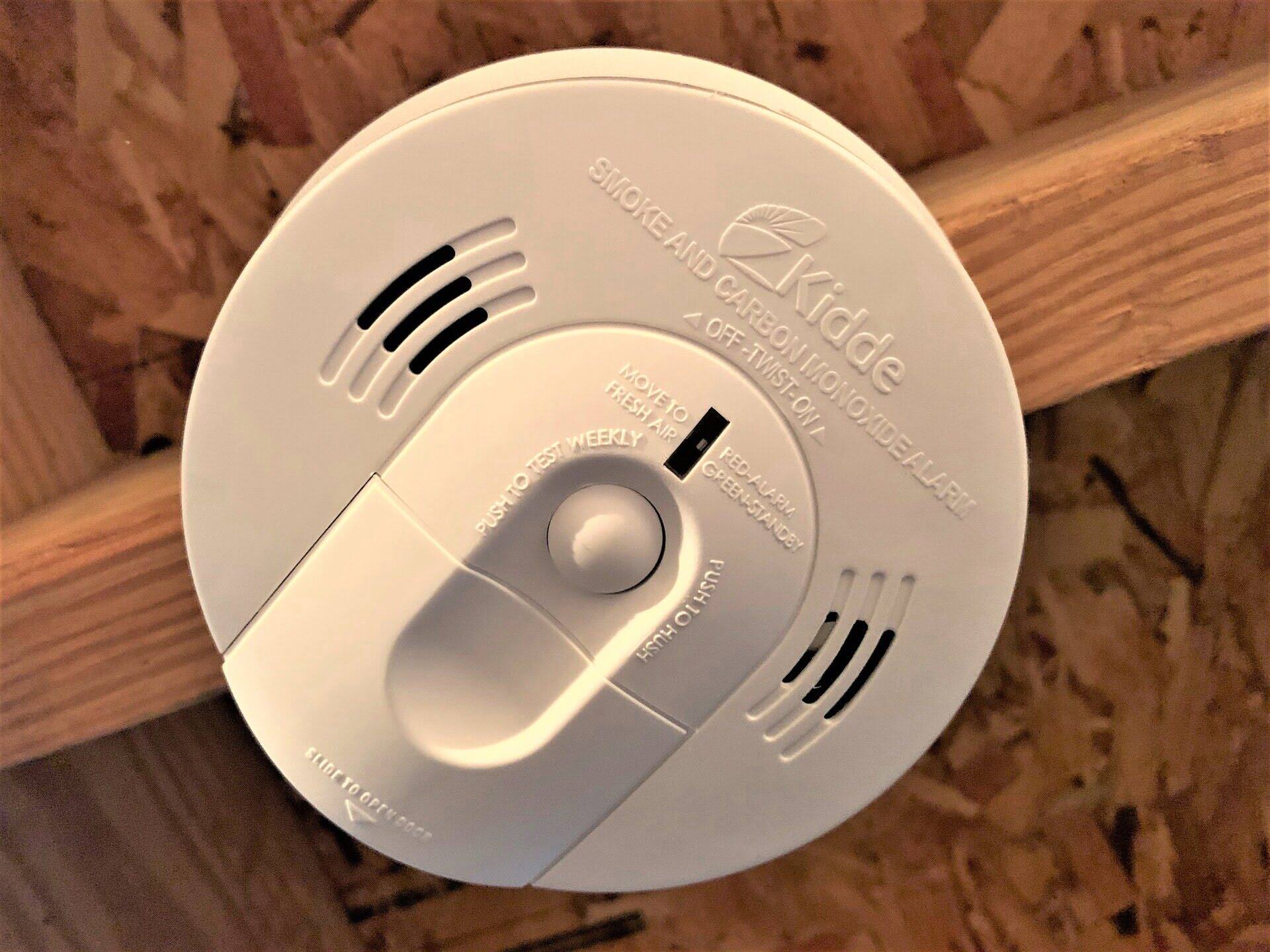
How Often Replace Carbon Monoxide Alarm
Okay, let's talk about something that might not sound like the life of the party, but it's actually one of the coolest 'set it and forget it' superheroes in your home: your carbon monoxide alarm! While you're busy living your best life, this little guardian is silently watching over you, and knowing how to keep it in tip-top shape is surprisingly empowering. It's a quick check-up that offers a massive payoff in peace of mind.
Carbon monoxide, or CO, is often called the 'silent killer' – and for a terrifying reason. It's an invisible, odorless, tasteless gas produced by incomplete combustion. Think furnaces, gas stoves, fireplaces, water heaters, and even cars if they're running in an enclosed space. Without a CO alarm, you wouldn't know it's there until it's too late. Symptoms can be mistaken for the flu, but CO starves your body of oxygen, leading to serious illness or worse. That's where your alarm swoops in, giving you an early warning and the precious time needed to get to safety. It's literally a lifesaver, a tiny device with an enormous job.
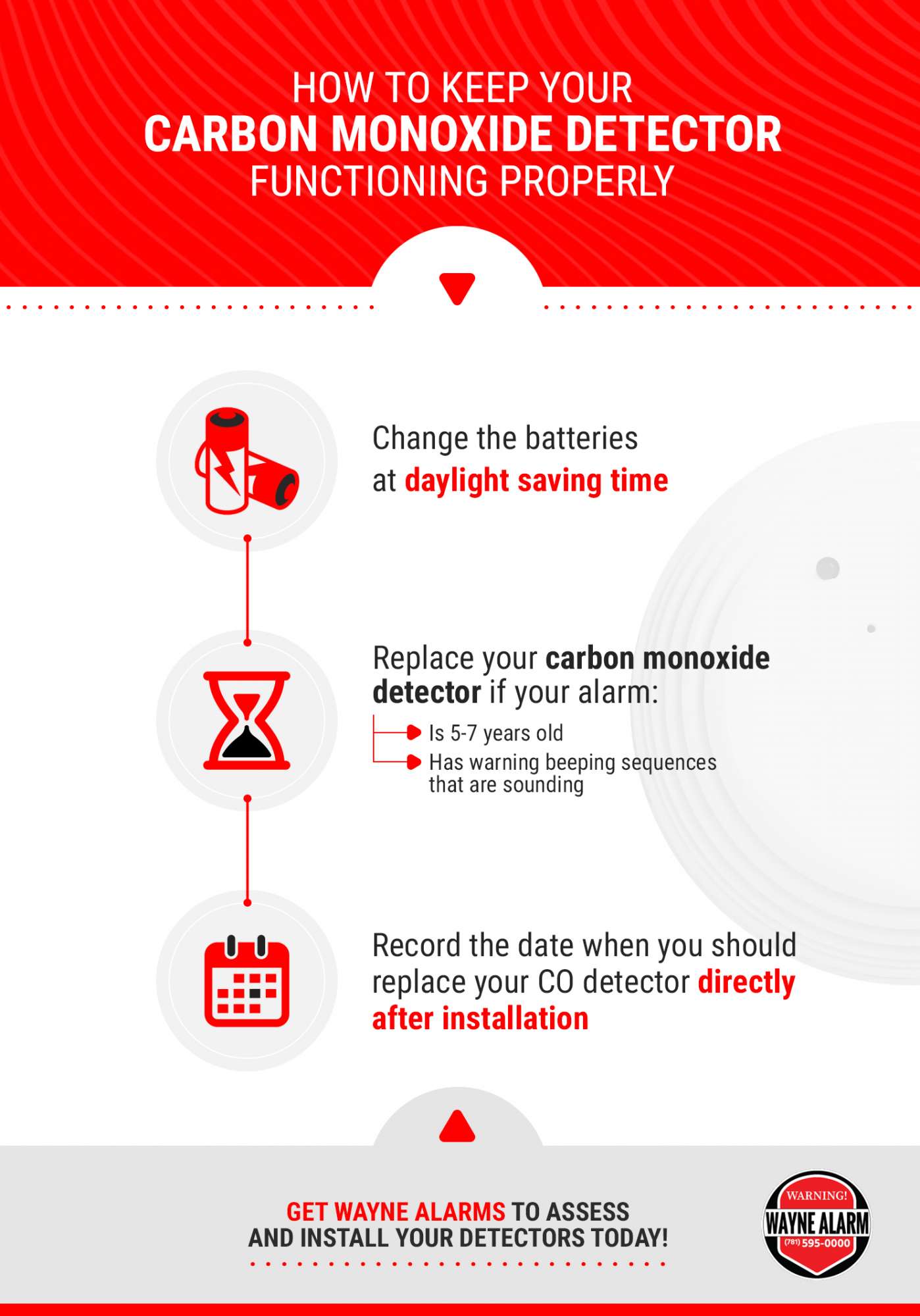
So, how often do you need to replace this unsung hero? This is the million-dollar question, and luckily, the answer is pretty straightforward. Most carbon monoxide alarms have a lifespan of between five and seven years. That's it! Not forever, not just when the batteries die, but a finite period. Think of it like an expiry date for its ability to reliably detect danger.
Must Read
You might be thinking, "But it still works when I test it!" While pressing the 'test' button confirms the battery and the siren are functional, the real magic happens inside the sensor. Over time, the chemical sensor that detects CO can degrade, becoming less sensitive or less accurate. It's not a battery issue; it's a sensor aging issue. A five-year-old alarm, even with new batteries, might not be as effective as a brand new one. You don't want to rely on a 'might not be' when it comes to your family's safety from something as insidious as CO. Its ability to accurately sniff out danger diminishes with age, making timely replacement crucial.
The easiest way to check your alarm's age? Look for a manufacture date or a replace-by date printed on the back or side of the unit. Seriously, grab a flashlight and take a look right now! If you can't find it, or if it's older than seven years (and sometimes even five, depending on the manufacturer's recommendation), it's definitely time for a new one. While you're at it, remember to test your alarms monthly by pressing the 'test' button, replace batteries annually (unless it's a sealed 10-year unit), and ensure you have alarms on every level of your home, especially near sleeping areas. Investing a little time and a few bucks into a new CO alarm every few years is one of the smartest, most stress-reducing decisions you can make for your home. It's about maintaining that invaluable peace of mind, knowing your silent guardian is always at its best.