
How Often Does Septic Need To Be Pumped
Alright, let’s talk about something that most of us would rather not think about, but is absolutely essential for smooth living: your septic system. Specifically, the age-old question that probably pops into your head every few years, usually when you’re mid-flush or staring at a slow-draining sink: “How often does this thing actually need to be pumped?”
It’s not exactly a glamorous topic, I know. It’s like the quiet, hardworking relative who keeps everything running behind the scenes, never asking for praise, until suddenly, things get… mucky. Then everyone remembers Aunt Septic.
The Great Septic Mystery: It's Not a One-Size-Fits-All Answer
Unlike changing your car’s oil or remembering your wedding anniversary (hopefully), there isn’t a universal flashing light or a yearly reminder for your septic tank. It's less of a rigid schedule and more like a friendly suggestion from a wise elder, tailored to your household's unique quirks.
Must Read
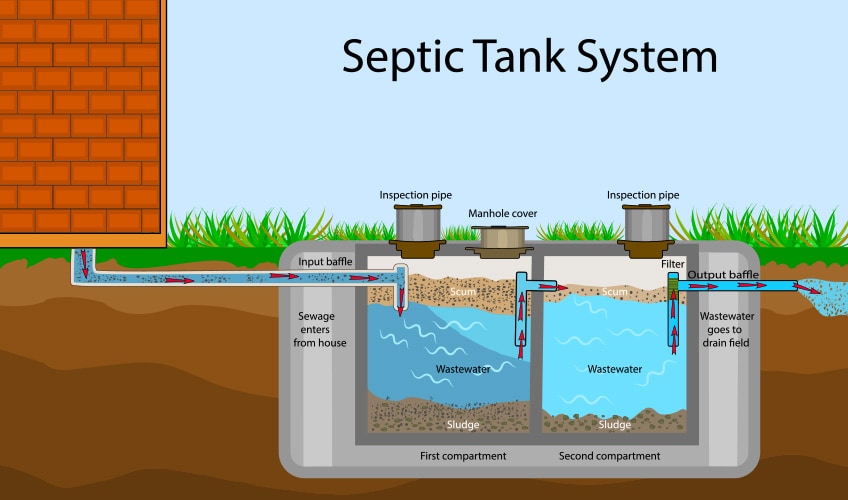
Think of your septic tank as a very patient, very hungry underground stomach. It digests all the wastewater from your home. Over time, the solids separate, forming a layer of sludge at the bottom and a layer of scum on top. In the middle? That’s your treated wastewater, or effluent, which flows out into your drain field. The pumping process removes those solid layers, giving your tank a fresh start and preventing blockages.
What Really Dictates the Septic Spa Day Schedule?
So, what makes Aunt Septic want her spa day more or less often? Several things, actually. Let's break it down:
1. How Many Cooks (or, Ahem, Flushes) in the Kitchen?
This is probably the biggest factor. A bustling household of five with teenagers who love epic, hour-long showers and multiple daily flushes is going to fill up that tank a lot faster than a cozy couple or a solo hermit. More people means more water usage, more waste, and thus, a quicker accumulation of those solids. It's simple math, really. Think of it like a never-ending buffet: the more eaters, the faster the plates disappear!
2. The Size of Your Septic Stomach
Septic tanks come in various sizes, much like our own appetites. A small, dinky tank isn't going to hold as much as a grand, robust one. If you have a smaller tank and a bigger household, you're looking at more frequent pumping. It’s like trying to pack for a month-long trip with only a carry-on versus a giant trunk – you run out of space faster with less capacity.

3. Your Water Usage Habits: The Invisible Culprit
Are you a water-conscious ninja, or do you leave the tap running while you contemplate the meaning of life? High water usage, even without extra people, can prematurely stress your system. All that extra water pushes solids around and reduces the time they have to settle properly. Think of it like trying to digest a meal while someone keeps shaking your stomach – not ideal for efficiency!
4. What You Send Down the Drain (The "No-No" List)
Your septic tank is designed for human waste and toilet paper. That’s it! Anything else is basically rude. Flushing things like “flushable” wipes (they’re a lie, by the way, a beautiful, pipe-clogging lie), feminine hygiene products, paper towels, grease, harsh chemicals, or even coffee grounds can wreak absolute havoc. These things don’t break down easily, adding to the solid buildup and potentially harming the beneficial bacteria that do all the hard work. It's like inviting a bunch of non-biodegradable party crashers to your tank's digestive party.
The General Sweet Spot (with a Grain of Salt)
So, with all those factors in mind, what’s the general consensus? For most households, pumping every 3 to 5 years is the sweet spot. If you’ve got a large family and/or a smaller tank, you might be looking at every 2-3 years. If you’re a single individual living in a mansion with a massive tank, you might stretch it to 5-7 years. But remember, these are just guidelines, not gospel!
Signs It’s Time: The Dreaded "Uh-Oh" Moments
Sometimes, your septic system will send you little hints that it’s nearing its limit. Pay attention to these:

- Slow drains: Are your sinks and showers suddenly moving at a snail’s pace? It's not just a bad hair day for your plumbing.
- Nasty odors: If you start smelling sewage in your yard or, heaven forbid, inside your house, that’s a pretty glaring sign that something’s backed up.
- Gurgling sounds: Hearing strange noises from your pipes or toilets? Your system might be trying to tell you something in its own unique language.
- Standing water in the drain field: Puddles in your yard, especially near your drain field, are a big red flag. This means effluent isn't draining away properly.
- Lush, green patches: While a vibrant lawn is usually great, abnormally green or spongy patches of grass over your drain field can indicate overflowing waste.
If you notice any of these, don't wait! Call a professional. Like a toothache, it only gets worse (and more expensive) if you ignore it.
Don't Be That Person: Why Regular Pumping Matters
Neglecting your septic system isn't just about dealing with an inconvenient backup. It can lead to much bigger, smellier, and significantly more expensive problems, like a failed drain field or a completely ruined system. Pumping regularly keeps everything flowing smoothly, extends the life of your entire system, and saves you from future headaches (and potential backyard swamps).
So, while it’s not the most glamorous chore, giving your underground workhorse a regular tune-up is one of the best ways to ensure your home runs smoothly. Treat your septic system like the unsung hero it is, and it’ll reward you with years of hassle-free flushing. Give it a thought, maybe even set a calendar reminder, and keep those drains happy!