How Often Do You Replace Carbon Monoxide Detectors
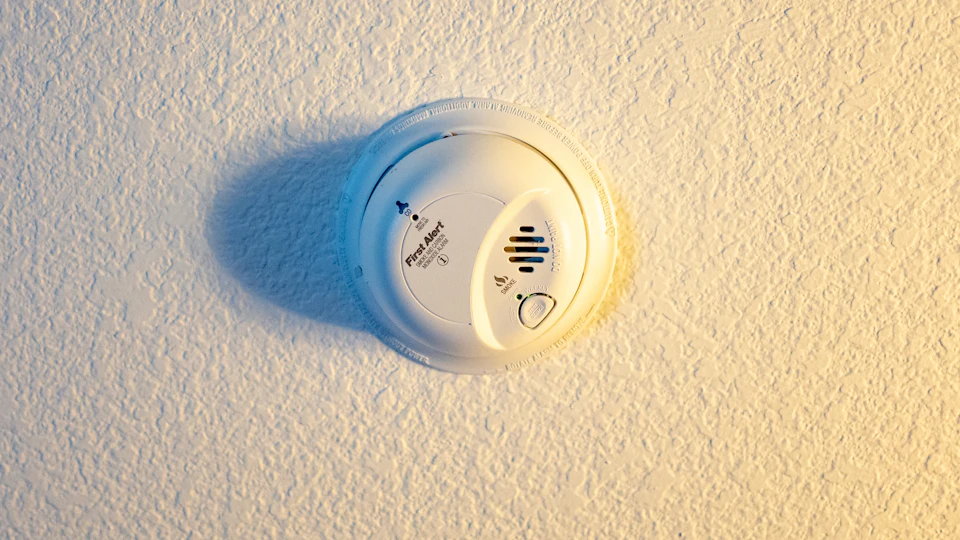
The Great Home Gadget Mystery: What's Its Shelf Life?
Let's be real, our homes are full of silent heroes, aren't they? We've got the fridge humming, the water heater warming, and a whole host of gadgets quietly doing their thing. And then there are the ones we really set and forget, like the smoke detectors that only announce their presence with a ear-splitting chirp at 3 AM when their battery is dying. You know the drill – scrambling in the dark, usually on a Tuesday, trying to locate the culprit.
But there's another crucial silent guardian lurking in our hallways and bedrooms: the carbon monoxide detector. Unlike its smoke-sensing cousin, this one usually keeps mum, which is great because CO is silent and invisible. But that very silence means it's easy to forget it's even there, let alone consider its expiration date. Yes, just like that tub of yogurt in the back of your fridge, these things have a best before label.
Why Can't These Things Last Forever? The Inner Workings (Sort Of)
You'd think a simple little box that just sits there could last through an apocalypse, right? Wrong. Carbon monoxide detectors aren't just fancy plastic cases; they house an electro-chemical sensor. Think of it like a tiny, highly sensitive nose, constantly sniffing the air for colorless, odorless CO gas. And just like any good detective, that nose gets tired.
Must Read
Over time, these sensors degrade. It's not a dramatic Hollywood movie degradation, where sparks fly and alarms blare for no reason (unless it's actually detecting CO, in which case, listen to it!). It's a subtle, gradual process, like your favorite pair of sneakers slowly losing their bounce. Eventually, that sensor just won't be as sharp, and a dull detective isn't what you want on the case when it comes to a silent killer like carbon monoxide.
So, What's the Magic Number? The Big Reveal!
Alright, drumroll please! Most carbon monoxide detectors are designed to last for about 5 to 7 years. That's it! Not forever, not until the kids go to college, but usually less than a decade. Some fancy models might stretch to 10 years, but that's the exception, not the rule. It's like a smartphone – seems cutting edge today, but in five years, it's practically a relic.

How do you find this elusive expiration date? Well, it's not always front and center, unfortunately. You'll usually find it printed on the back or the side of the unit. Sometimes it's a "replace by" date, other times it's a manufacturing date, in which case you just add 5 or 7 years. So, grab a step stool, a flashlight, and maybe a magnifying glass. It's like an archaeological dig in your own home!
The "My Detector Is Chirping Madly!" Scenario: Age or Alarm?
Now, this is where it gets interesting. Much like smoke detectors, CO detectors often have a "low battery" chirp. But they also have an "I'm old and tired, please replace me" chirp. This end-of-life signal is usually different from a low battery chirp and definitely different from an actual CO alarm. An actual CO alarm will be a series of loud, insistent beeps (e.g., four short beeps repeated every few seconds).
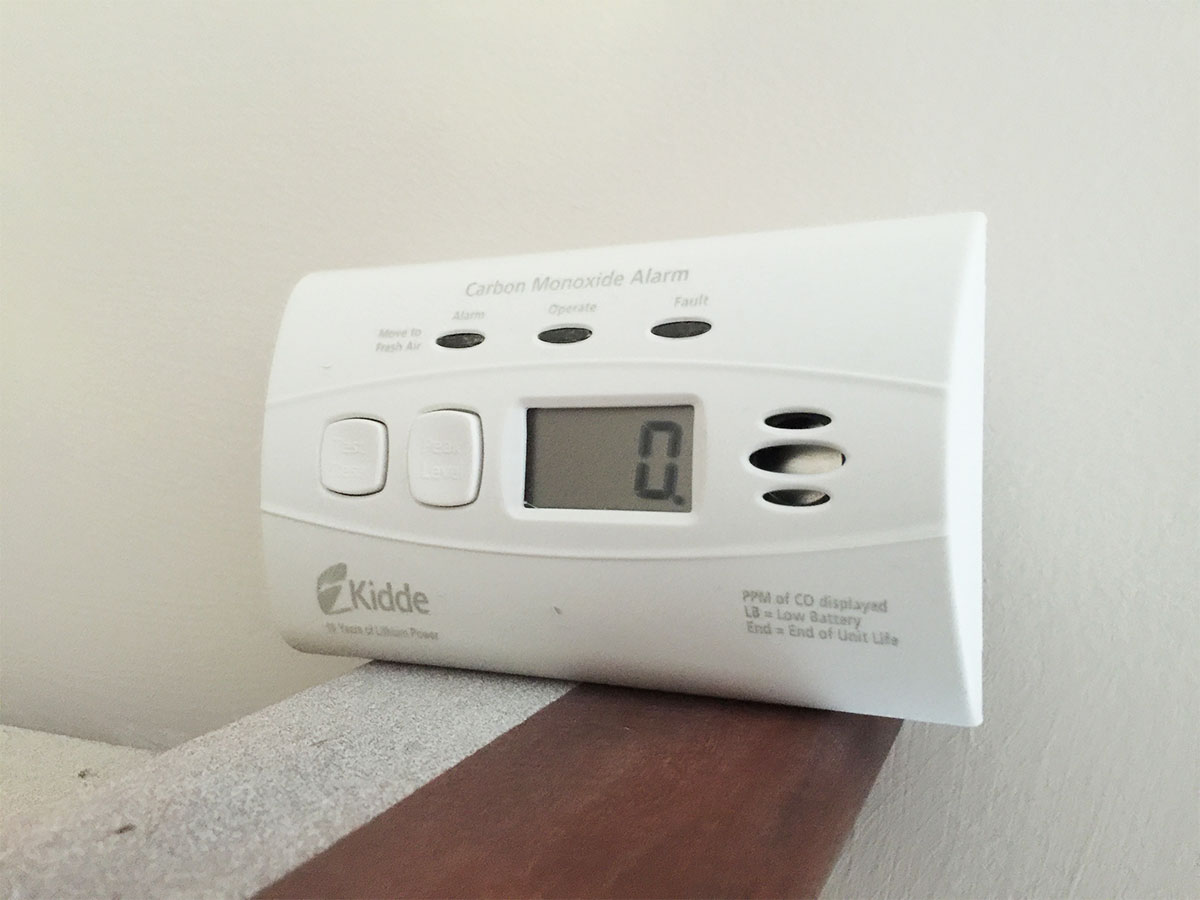
An end-of-life alert might be a single chirp every 30 seconds or so, or a specific error code on digital displays. If your detector starts making noises you don't recognize, and it's not the battery, check that expiration date immediately. It's probably telling you its watch has ended. This happened to my neighbor, who thought their house was haunted until they finally checked the date on the detector in their attic. Turns out, it was just politely asking for retirement.
Making It Easy: Your "Don't Forget the CO Detector" Action Plan
So, how do we prevent these crucial safety devices from slipping into the forgotten realm of old gym socks and dried-up pens? Here are a few painless tricks:

- Write the date on it: When you install a new one, grab a permanent marker and scrawl the "replace by" date directly on the front or side. No more guessing games!
- Calendar Reminder: Set a recurring event in your digital calendar. Future You will thank Past You.
- Batch It Up: Most smoke detectors also need replacing every 10 years. Pair your CO detector check with your smoke detector battery changes or annual inspections. Make it a full home safety check-up!
- The "New Year, New Detector" Rule: Pick a specific time of year – maybe when you change the clocks for daylight savings, or after a holiday – to do your annual check.
A Small Effort for Big Peace of Mind
Look, replacing a carbon monoxide detector isn't as fun as buying a new gadget or redecorating a room. It's one of those necessary adulting tasks that falls into the same category as changing your furnace filter or cleaning the gutters. But here's the kicker: it's incredibly important. Carbon monoxide is often called the "silent killer" for a reason. It's odorless, colorless, and can be deadly.
So, give your CO detector a little love, or rather, give it a proper send-off when its time comes. A few minutes of effort every few years can ensure your family stays safe and sound, breathing easy. And isn't that worth way more than wrestling with a chirping detector at 3 AM trying to figure out if it's telling you about a real problem or just complaining about its age?