How Often Do You Need To Clean A Septic Tank

Ever paused to wonder what truly happens to your wastewater once it gracefully disappears down the drain? For many of us living off the main municipal sewer grid, there’s an unsung hero quietly working underground: the septic tank. It’s not the most glamorous topic, perhaps, but understanding this vital system – and especially how often it needs a little TLC – is not just responsible adulting, it’s genuinely fascinating once you peek behind the curtain.
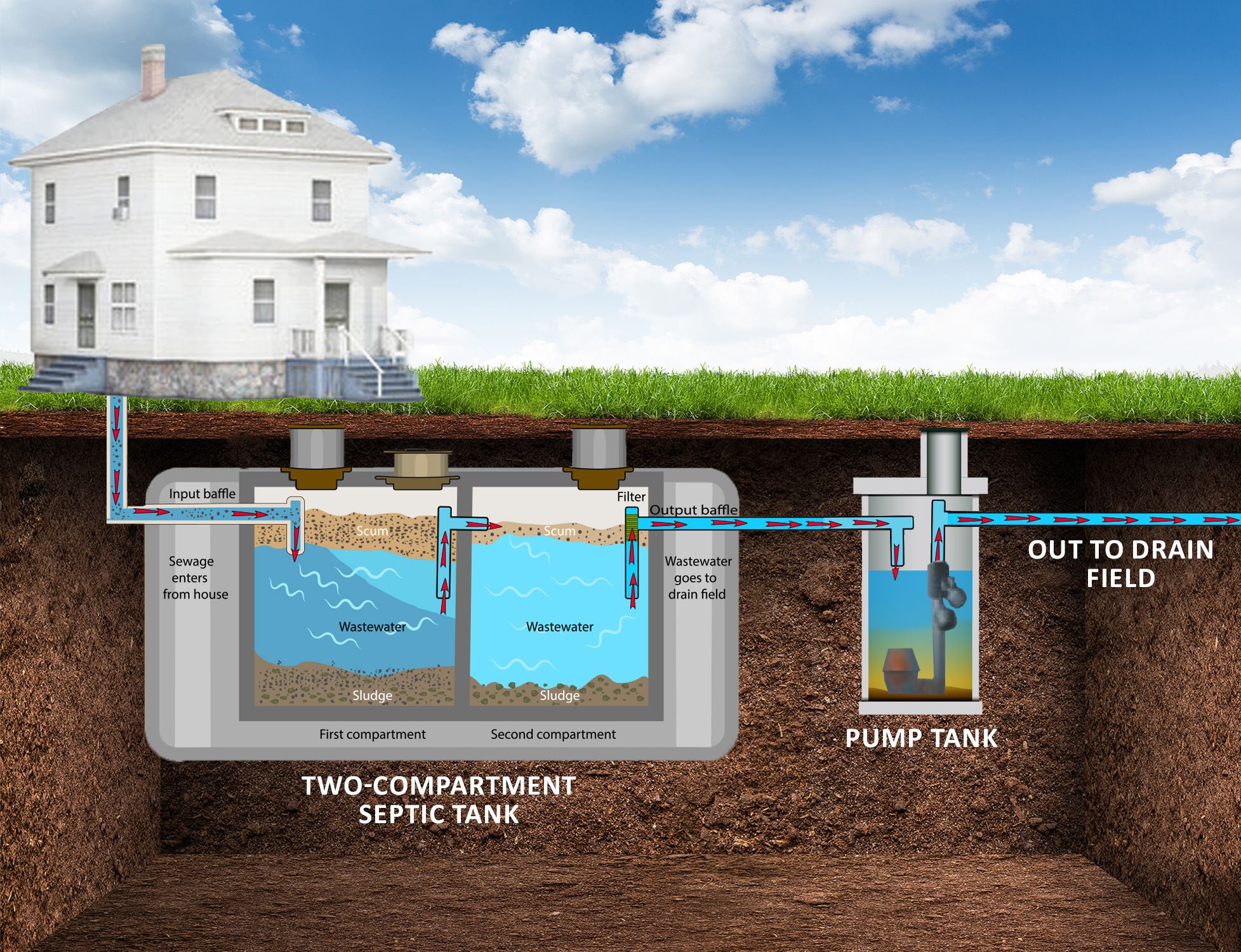
Think of your septic tank as your home's personal mini-wastewater treatment plant. Its core purpose is to separate solids from liquids. All the water from your toilets, sinks, showers, and laundry flows into this large, buried container. Inside, heavier solids (sludge) sink to the bottom, while lighter materials (scum, like oils and grease) float to the top. The middle layer, the clarified liquid effluent, then flows out to a drain field where it's further treated by the soil. The benefit? It’s an incredibly effective, self-contained system that treats your household wastewater right on your property, protecting local groundwater and keeping your home healthy.
So, where does cleaning come into play? While the system is designed to separate, those solids at the bottom don't just magically disappear. Over time, the sludge layer builds up. If it gets too high, it can start to overflow into your drain field, clogging it and causing expensive, messy, and frankly, smelly problems. Understanding this process is a key part of daily life for anyone with a septic system; it’s about maintaining a crucial part of your home’s infrastructure, much like changing the oil in your car. It’s not just about avoiding disaster, but ensuring the long-term, efficient operation of your entire wastewater system and showing some environmental responsibility.
Must Read
Now for the million-dollar question: How often do you need to clean a septic tank? The general rule of thumb for an average household is to have your septic tank pumped every 3 to 5 years. However, this isn't a one-size-fits-all answer. Several factors can influence this frequency, making it a bit of a detective game:

- Household Size: More people mean more wastewater and faster sludge accumulation. A large family might need pumping every 2-3 years, while a single person might stretch it to 5 or more.
- Water Usage: High water usage, even with fewer people, can introduce more solids faster.
- Garbage Disposal Use: If you regularly use a garbage disposal, you're introducing a lot more solids into the tank, which will necessitate more frequent pumping.
- Tank Size: Larger tanks can obviously hold more sludge before needing attention.
To explore this practically, start by checking your pump-out records if you have them. If not, talk to local septic service providers; they often have great insights into typical schedules for homes in your area. Be mindful of what goes down your drains – harsh chemicals, excessive grease, and "flushable" wipes (which often aren't truly septic-safe) can all disrupt the delicate bacterial balance in your tank and hasten sludge buildup. The simplest way to maintain this hidden marvel is to keep good records, be mindful of what you flush, and most importantly, schedule regular pumping appointments. It’s a small effort that prevents big, expensive headaches and keeps your home's unseen system happily humming along.